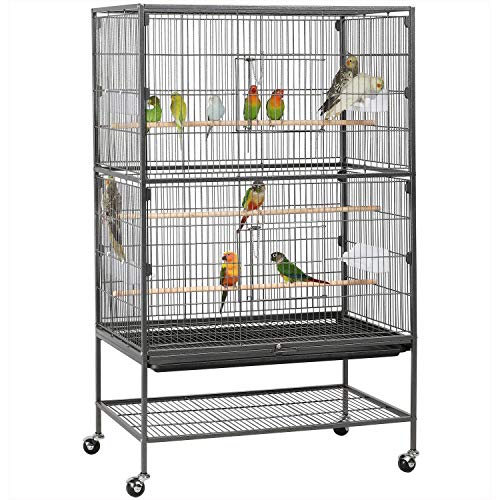
You love sharing a snack with your parakeet, and that bright, juicy orange on your counter might look tempting to offer. But before you hand over a slice, you want to be sure it’s safe. The short answer is yes, parakeets can eat oranges, and they often enjoy the sweet, tangy flavor. Oranges are not toxic to budgies, and they can be a healthy addition to a varied diet when served correctly. Let’s walk through everything you need to know to offer this citrus treat safely and happily.
Are Oranges Safe for Parakeets?
Oranges are completely safe for parakeets to eat, with a few simple precautions. The flesh of the orange is non-toxic and packed with vitamin C, which can support your bird’s immune system. However, you should always remove the seeds before offering any orange pieces. Parakeet seeds are tiny, and orange seeds contain trace amounts of compounds that can be harmful in large quantities, so it’s best to pick them out. Also, wash the orange thoroughly to remove any pesticide residue or wax. If you can, buy organic oranges to minimize chemical exposure. Remember, a parakeet’s digestive system is delicate, so start with a very small piece to see how your bird reacts.
How to Serve Oranges to Your Parakeet
Preparation is key to making oranges a safe and enjoyable treat. First, wash the orange well under running water. Peel the orange completely, because the peel contains oils that can be too strong and potentially irritating for your bird’s crop. Break the orange into small, bite-sized segments, about the size of your parakeet’s beak or smaller. Remove any white pith if it’s thick, though a little pith is fine. You can offer the pieces in a separate dish or clip them to the side of the cage with a stainless steel skewer. Many parakeets love to nibble on a wedge clipped near their favorite perch. For a fun twist, you can freeze small orange pieces and offer them as a cool treat on a hot day.
How Much Orange Can a Parakeet Eat?
Moderation is crucial. Oranges are acidic and high in natural sugars, so they should only be a small part of your parakeet’s diet. A good rule is to offer one or two small segments, no larger than your thumbnail, once or twice a week. Overfeeding citrus can lead to digestive upset or loose droppings because of the acidity. Your parakeet’s main diet should always be a high-quality pellet mix and fresh water, with fruits and vegetables making up about 20% of their daily intake. If you notice your bird’s droppings become watery after eating orange, cut back on the amount or frequency. Always remove any uneaten orange pieces after a few hours to prevent spoilage and bacterial growth in the cage.
Parakeets can actually synthesize their own vitamin C, so they don’t need oranges for that nutrient like humans do. But the antioxidants and hydration from fresh fruit still make oranges a great occasional treat!
What About Other Citrus Fruits?
If your parakeet enjoys oranges, you might wonder about other citrus options. Lemons, limes, and grapefruits are also safe in tiny amounts, but they are much more acidic and sour. Most parakeets will turn up their beaks at lemons, but you can try a tiny sliver of grapefruit or mandarin. Tangerines and clementines are often a hit because they are sweeter and less acidic. Always follow the same rules: peel, remove seeds, and offer just a small piece. Avoid giving your bird the rind or any citrus juice, as the concentrated acid can irritate their mouth and crop. Stick to fresh fruit only, never canned or processed oranges that contain added sugar or preservatives.
Pairing Oranges With Other Healthy Treats
Oranges can be part of a colorful fruit salad for your parakeet. Mix small orange pieces with other safe fruits like apple (no seeds), blueberries, or a slice of banana. You can also sprinkle a few of their favorite Parakeet Treats Your Bird Will Love alongside the fruit for extra enrichment. Just remember that treats, including fruit, should never exceed 10% of their total diet. A varied diet keeps your bird excited about mealtime and provides a range of vitamins. For a complete setup, make sure your parakeet has a spacious home to explore and exercise. A Best Parakeet Cages 2026: Wide Designs with Safe Spacing gives your bird room to fly and play, which is just as important as good nutrition.
“A happy parakeet is one that gets a little bit of everything, but never too much of one thing.”
Signs Your Parakeet Likes (or Dislikes) Oranges
Every parakeet has its own personality and taste preferences. Some will dive right into a piece of orange, while others might ignore it or even shake their head in disapproval. If your bird shows interest, let them nibble at their own pace. If they drop the orange or walk away, don’t force it. You can try offering it again in a few weeks, or try a different fruit. Watch for signs of enjoyment like chirping, fluffing up, or actively holding the piece with a foot. If your bird eats the orange and seems fine, you can continue offering it as an occasional treat. Always keep fresh water available, as citrus can make some birds thirsty.
Safety Tips and What to Avoid
While oranges are safe, there are a few hard no’s. Never feed your parakeet orange seeds, the peel, or any part of the stem or leaves. Avoid giving orange juice, as it’s too concentrated and sugary. Do not leave orange pieces in the cage for more than two to three hours, especially in warm weather, because fruit spoils quickly and can grow harmful bacteria. If you have multiple birds, make sure each one gets a fair share, as some parakeets can be possessive over treats. For a comfortable feeding station, consider a Parakeet Cage With Stand Shortlist: 5 Top Picks for 2026 that offers easy access for cleaning and feeding. And if you ever have concerns about your bird’s health after trying a new food, a quick call to your avian vet is always a good idea.