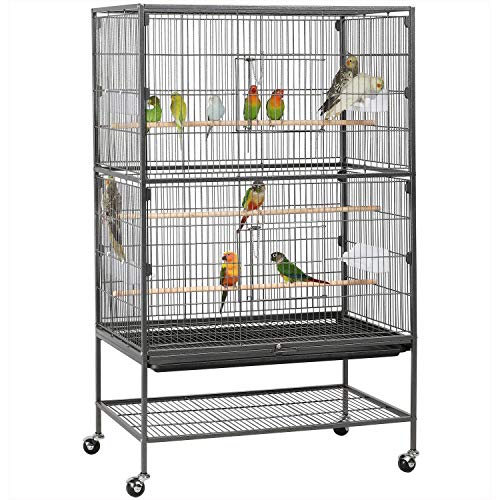
If you’ve ever been spreading peanut butter on toast and caught your parakeet eyeing you with that curious head-tilt, you’ve probably wondered: can I share a tiny lick? The short answer is yes, but with serious caveats. Parakeets can eat peanut butter as an occasional treat, but only if it’s the right kind, served in the right way, and given in very small amounts. Let’s break down exactly what you need to know so you don’t accidentally harm your feathered buddy.
Is Peanut Butter Safe for Parakeets?
Plain, unsalted, natural peanut butter with no added sugar, no xylitol, and no hydrogenated oils is generally safe for parakeets in tiny portions. The danger comes from the extras. Xylitol, a common sugar substitute in many “low-sugar” peanut butters, is toxic to birds and can cause rapid insulin release, seizures, and liver failure. Salt and sugar are also hard on a parakeet’s tiny kidneys and metabolism. Always check the ingredients list carefully. If it says anything besides “peanuts” (and maybe a pinch of salt), skip it.
How Much Peanut Butter Can You Give a Parakeet?
Portion size is everything. A parakeet’s entire stomach is about the size of a pea. You should offer no more than a dab the size of a small grain of rice, and no more than once a week. Peanut butter is high in fat and calories, and parakeets are prone to obesity and fatty liver disease if overfed rich foods. To put it in perspective, a single teaspoon of peanut butter would be like you eating an entire jar in one sitting. Keep it tiny, and watch your bird’s weight.
Wild parakeets (budgies) in Australia occasionally eat seeds and nuts from the ground, but they never encounter processed nut butters. Their bodies are designed for low-fat, high-fiber diets, so even natural peanut butter is a rich indulgence.
Risks to Watch Out For
Beyond the ingredient dangers, there are physical risks. Peanut butter is sticky and thick, which can be a choking hazard for a small bird. It can also get stuck on the roof of their mouth or around their beak, leading to discomfort or bacterial growth. Always serve it spread very thinly on a small piece of whole-wheat toast or a safe veggie stick, never as a glob. Another hidden risk is aflatoxins, naturally occurring toxins produced by mold that can grow on peanuts. Even “natural” peanut butter can contain trace amounts if the peanuts weren’t stored properly. To minimize this, buy from reputable brands that test for aflatoxins.
Better Treat Alternatives for Your Parakeet
If you want to give your parakeet something special, there are safer, healthier options that still feel like a reward. Fresh fruits like apple (no seeds), blueberries, or a tiny slice of banana are excellent. Vegetables like broccoli, carrot shavings, or leafy greens are even better. For a crunchy treat, try a small piece of unsalted, plain popcorn or a single, unsalted almond sliver. If you’re looking for ready-made options, check out our list of Parakeet Treats Your Bird Will Love: 5 Top Picks for Every Budget for vet-recommended choices that won’t risk your bird’s health.
“A parakeet’s health is built on a foundation of pellets, fresh veggies, and clean water. Treats like peanut butter are the sprinkle on top, not the cake.”
How to Safely Offer Peanut Butter (If You Must)
If you decide to give it a try, follow this protocol. First, buy only organic, unsalted, no-sugar-added peanut butter with one ingredient: peanuts. Second, take a toothpick and dip the tip into the jar, then wipe it onto a small piece of millet spray or a thin slice of apple. Offer it to your bird on a flat dish, not from your fingers (to avoid accidental biting or too much stickiness). Watch your parakeet closely as they eat. If they seem to struggle, wipe their beak gently with a damp cloth. Afterward, clean any residue from their cage or toys immediately. And remember: if your bird has any health issues, especially liver or kidney problems, skip the peanut butter entirely and ask your vet for safe treat ideas.
What About Peanut Butter in Toys or Foraging Activities?
Some owners spread a tiny smear of peanut butter inside a foraging toy or on a safe perch to encourage natural pecking behavior. This can be done, but only with extreme caution. Use a very thin layer and remove the toy after 15 minutes so the peanut butter doesn’t go rancid or attract bacteria. A safer alternative is to use mashed banana or plain cooked oatmeal as a spreadable foraging paste. For more ideas on keeping your bird entertained, consider a well-equipped Best Parakeet Cages 2026: Wide Designs with Safe Spacing that offers plenty of room for toys and climbing opportunities without the mess.
Final Word on Peanut Butter and Parakeets
Peanut butter isn’t toxic to parakeets, but it’s far from a health food. A tiny, occasional lick of the pure stuff is unlikely to cause harm, but it offers no real nutritional benefit. Your parakeet will be much happier and healthier with a fresh piece of kale or a sprig of millet. If you’re looking for new ways to spoil your bird safely, focus on upgrading their environment with natural perches like those in our Natural Bird Cage Perches: 5 Best Reviewed for 2026 guide, which promote foot health and exercise. And if you travel with your bird, a secure Small Bird Carrier Review: 5 Best Picks for 2026 can make vet visits stress-free. When in doubt, stick to what nature intended: seeds, greens, and your love.