You’re sitting at the breakfast table, buttered toast in hand, and your parakeet cocks her head, chirping with interest. It’s tempting to share a nibble, but is toast actually safe for your budgie? The short answer is yes, plain, dry, unbuttered toast can be offered as a rare treat. But there are important caveats about ingredients, portion size, and nutritional value. Let’s break it down so you can share your morning ritual without worry.
What Kind of Toast Is Safe for Parakeets?
The safest toast for a parakeet is plain, dry, and made from whole-grain or sprouted bread with no added sugar, salt, oil, butter, or preservatives. White bread offers little nutrition and is mostly empty starch, but a tiny crumb once in a while won’t hurt. Avoid anything with seeds or nuts baked in, as those often contain extra salt or flavorings. Never offer toast that has butter, margarine, jam, honey, peanut butter, or avocado spread on it. Avocado is toxic to birds, and sugary spreads can cause obesity or digestive upset. If you wouldn’t feed it to a baby, don’t feed it to your bird.
How Much Toast Can a Parakeet Eat?
Toast should be a rare treat, not a dietary staple. A piece no larger than your parakeet’s own toenail, torn into tiny crumbs, is plenty. Offer it no more than once or twice a month. Parakeets have tiny digestive systems and a high metabolism designed for seeds, pellets, fresh greens, and the occasional piece of fruit. Too much bread, even plain toast, can fill them up with empty calories and lead to malnutrition or obesity. Think of it like a single french fry from your plate , a tiny taste, not a meal.
“A single crumb of plain toast is a fun novelty, but your parakeet’s real nutrition comes from pellets, veggies, and a proper seed mix.”
Risks of Feeding Toast to Your Parakeet
There are a few real concerns to keep in mind. First, salt and sugar are the biggest dangers. Most commercial bread contains added salt and sugar, which can strain a parakeet’s kidneys and lead to health issues over time. Second, mold is a hidden risk. Bread spoils quickly, and even a speck of mold can cause respiratory or digestive problems in birds. Always check the toast for any discoloration before offering it. Third, choking is possible if you give a large, dry piece. Always tear the toast into tiny, manageable bits. Finally, avoid any bread with raisins, garlic, onion, or chocolate , all of which are toxic to birds.
If your parakeet has any health condition, is on a special diet, or you’re unsure about a specific bread brand, ask your avian vet before offering toast. Birds hide illness well, and even a small dietary slip can upset their balance.
Better Alternatives to Toast for Treats
Instead of toast, consider offering your parakeet a small piece of fresh fruit like apple (no seeds), a blueberry, or a bit of banana. Vegetables such as finely chopped spinach, carrot, or bell pepper are also excellent. For a crunchy treat that mimics the texture of toast, try a small piece of plain, unsalted whole-grain cracker or a commercially prepared bird treat. You can find many healthy options in our guide to Parakeet Treats Your Bird Will Love. These are formulated to be safe and nutritious, unlike human bread.
How to Safely Prepare Toast for Your Parakeet
If you decide to share a tiny bit of toast, follow these steps. Choose a slice of plain, whole-grain bread with no added sugar or salt. Toast it until it’s just dry and lightly golden , not burnt, as burnt toast can contain acrylamide, a potential toxin. Let it cool completely. Tear off a piece the size of a pea, then tear that into four or five tiny crumbs. Offer one crumb at a time from your hand or place it in a clean dish. Watch your bird eat it to ensure she doesn’t try to swallow it whole. Remove any uneaten toast after a few hours to prevent spoilage.
What About Toast Crusts or Stale Bread?
Toast crusts are generally safe as long as the bread itself is plain and unsalted. However, crusts are often drier and harder, so break them into even smaller pieces to avoid choking. Stale bread is fine as long as it shows no signs of mold or moisture. In fact, stale, dry toast is less likely to get gummy in your bird’s crop. But again, keep portions minuscule. If you’re looking for a fun foraging activity, you can hide a few tiny toast crumbs inside a foraging toy or scatter them on a clean surface. Just don’t make it a habit.
In the wild, parakeets eat seeds, grasses, and the occasional insect. They rarely encounter processed grains like bread. That’s why their bodies aren’t built to handle it regularly , but a tiny nibble now and then is a harmless novelty.
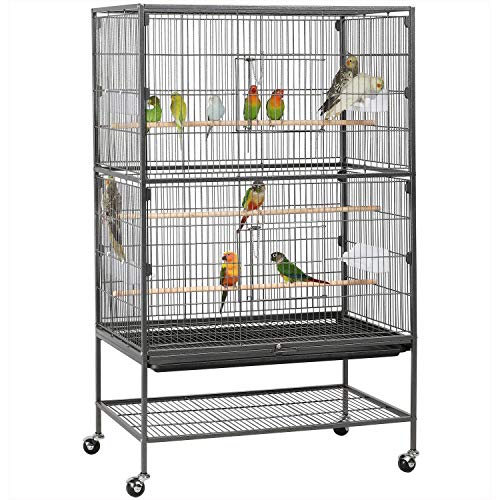
Ultimately, the best diet for your parakeet revolves around a high-quality seed and pellet base, fresh water daily, and a variety of safe fruits and vegetables. A good cage setup also supports healthy eating habits. For example, a spacious cage with proper bar spacing lets your bird move and forage naturally. Check out our picks for the Best Parakeet Cages 2026 to ensure your bird has room to thrive. If you have two birds, you might also appreciate our guide to the Best Parakeet Cage for 2 Birds, which offers double the space for double the fun.
So, can parakeets eat toast? Yes, but only plain, dry, and in tiny amounts as an occasional treat. Keep it rare, keep it safe, and always prioritize your bird’s main diet. Your parakeet will love you for the attention, not just the toast.