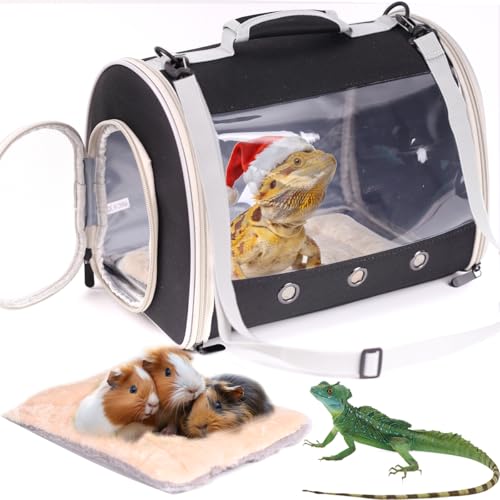
Seeing your bearded dragon with a patch of bare skin can be alarming, but it’s often necessary after a vet visit for surgery, scale rot treatment, or wound care. That exposed skin is vulnerable, and your dragon will rely on you to keep them comfortable and safe during recovery. Whether it’s a small shaved patch or a larger area, the right care makes all the difference. Here’s exactly what you need to do.
1. Adjust the Tank Temperature and Humidity
A shaved bearded dragon loses the insulation that scales normally provide, so they can get cold faster. You’ll want to bump the basking spot temperature up by 2 to 3 degrees Fahrenheit, aiming for 105 to 110 degrees Fahrenheit. The cool side should stay around 75 to 80 degrees. Use a reliable thermometer to monitor both ends. If your current setup isn’t holding heat well, consider upgrading to a small reptile heat lamp under 50 that provides consistent warmth without overheating the enclosure. Humidity is also critical: keep it between 30 and 40 percent. Too much moisture can slow healing or cause infection on the bare skin. A digital hygrometer helps you stay on track.
2. Choose the Right Substrate and Tank Liner
Loose substrates like sand, walnut shells, or wood chips are dangerous for a shaved dragon. Particles can stick to the exposed skin, causing irritation or infection. Switch to a solid, easy-to-clean liner. A best lizard liner made from reptile-safe vinyl or textured paper is ideal because it’s non-abrasive and simple to sanitize. If you use paper towels, change them daily to keep the area dry. Avoid any rough surfaces that could rub against the shaved spot. You can also place a soft washcloth or towel over the liner in the basking area for extra comfort.
3. Handle With Extra Care
Your bearded dragon’s shaved skin is sensitive and may be tender. For the first week, avoid handling them unless absolutely necessary for feeding or cleaning. When you do need to pick them up, support their whole body with both hands and avoid touching the bare area directly. If you want to take them outside for natural sunlight (which can aid healing), use a best lizard harness that fits around the chest and shoulders without rubbing the shaved spot. Never use a harness that puts pressure on the bare skin. Keep outdoor sessions short, 10 to 15 minutes, and always supervise.
Bearded dragons can regrow their scales over several sheds, but the new scales may look slightly different in color or texture. Full regrowth can take 3 to 6 months depending on the size of the shaved area and your dragon’s age.
4. Boost Nutrition for Faster Healing
Healing requires extra protein and vitamins. Offer your dragon their favorite live feeders like dubia roaches, black soldier fly larvae, or silkworms, dusted with a calcium supplement without vitamin D3 (unless your vet advises otherwise). Increase the portion size by about 20 percent during recovery. For greens, stick to collard greens, mustard greens, and butternut squash, which are high in vitamin A and beta-carotene. Avoid spinach and kale as they can bind calcium. If your dragon isn’t eating well, try hand-feeding a single roach or a small piece of squash to stimulate their appetite. Always provide fresh water in a shallow dish that won’t tip.
5. Keep the Enclosure Clean and Stress-Free
Bacteria love warm, damp environments, so spot-clean the tank daily. Remove any feces or uneaten food right away. Once a week, do a deep clean with a reptile-safe disinfectant, then rinse thoroughly. If you have live plants in the enclosure, check that they aren’t touching the shaved area, as some plants can harbor bacteria. A best reptile plants setup with non-toxic species like spider plants or pothos can help maintain humidity and provide hiding spots, but keep them away from the bare skin. Reduce stress by covering three sides of the tank with a towel or background, and avoid loud noises or sudden movements near the enclosure.
“A calm dragon heals faster than a stressed one. Give them quiet, warmth, and patience.”
6. Watch for Signs of Infection or Complications
Monitor the shaved area daily. Healthy healing looks like pink, dry skin that gradually darkens over a week or two. Redness, swelling, oozing, or a foul smell are signs of infection. Also watch for lethargy, loss of appetite, or unusual hiding, which could mean your dragon is in pain or stressed. If you notice any of these, contact your vet right away. Do not apply any creams, ointments, or home remedies unless prescribed by a reptile veterinarian. A follow-up visit is often recommended 10 to 14 days after the shaving to check healing progress.
This guide is for general care after a vet-informed shaving. If your dragon was shaved for a medical reason, always follow your veterinarian’s specific aftercare instructions. Never attempt to shave a bearded dragon at home.