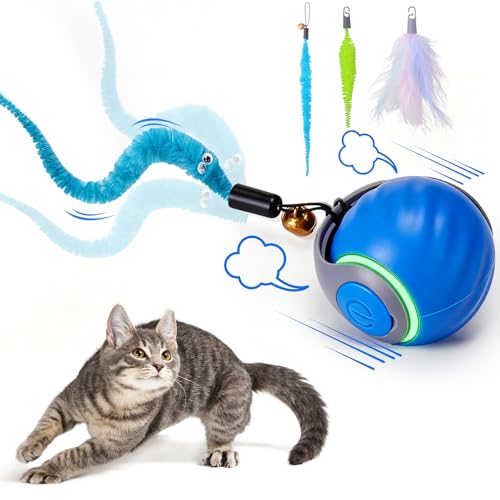
You know the scene: your cat is lounging peacefully, then suddenly they bolt across the room, skid on the rug, and start attacking a toy mouse like it owes them money. This burst of frantic energy is often called “kitty fever” or “the zoomies.” It’s not a medical condition, but a fascinating behavior pattern that many cat owners witness. Understanding why it happens can help you respond in ways that keep your cat healthy and your home intact. Let’s break down what kitty fever really is, what triggers it, and when you should pay closer attention.
What Exactly Is Kitty Fever?
Kitty fever isn’t a fever in the medical sense. It’s a term cat lovers use to describe a sudden, intense burst of energy. Your cat might race through the house, leap onto furniture, chase invisible prey, or even pounce on your ankles. This behavior is most common in younger cats and kittens, but adult cats get it too. It’s a natural way for them to release pent-up energy, practice hunting instincts, or simply burn off excitement after a long nap. Think of it as your cat’s version of a happy dance, though it can look a little chaotic.
Common Triggers for Kitty Fever
Several everyday events can set off a kitty fever episode. One big trigger is the aftermath of a good poop. Yes, really. After using the litter box, some cats get a sudden rush of energy, sometimes called “poop zoomies.” Another common cause is a change in routine or environment. If you come home late, move furniture, or have guests over, your cat might express their stress or excitement through a burst of activity. Even something as simple as a good brushing session can trigger a zoomie episode if it stimulates their skin and gets them feeling frisky. Pay attention to when your cat gets the fever, you might spot a pattern.
Is It Play or Is It Aggression?
During a kitty fever episode, your cat’s behavior can cross the line from playful to aggressive. They might bite or scratch more than usual, especially if you try to pet them mid-zoom. The key difference is body language. Playful zoomies usually involve a relaxed tail, ears forward, and a playful pounce. Aggressive behavior often comes with flattened ears, a puffed tail, and hissing. If your cat seems genuinely upset, give them space. If they’re just being a goofball, you can redirect that energy toward a toy. A quick game of fetch or a wand toy can help them burn off that fever safely. And if your cat has allergies that make them irritable, check out the signs of food allergies in cats to see if an underlying issue might be causing extra crankiness.
Some experts think kitty fever is a leftover instinct from when cats were wild. A sudden burst of running might help them shake off parasites or confuse predators after a long rest. So when your cat zooms, they’re tapping into their ancient wild side.
When Kitty Fever Might Signal a Health Issue
Most of the time, kitty fever is harmless and normal. But if your cat’s behavior changes suddenly or becomes extreme, it’s worth a closer look. For example, if your cat is sneezing a lot along with the zoomies, it could be allergies. You can learn more about why your allergic cat sneezes so much to see if that fits your cat’s symptoms. Also, if your cat is vomiting after a zoomie episode, it might not be just hairballs. Read up on whether hairballs can cause vomiting in cats to rule out a simple cause. If the vomiting continues or your cat seems lethargic after the burst of energy, it’s time to talk to your vet. Always trust your gut, you know your cat best.
How to Handle a Kitty Fever Episode
When your cat gets the fever, your best move is to let them ride it out safely. Make sure breakable objects are out of the way, and avoid trying to grab or restrain them. Instead, offer an interactive toy like a laser pointer or a feather wand. This channels their energy into something positive. If your cat tends to get the zoomies at night, try a longer play session before bed to tire them out. Also, consider their diet. Some cats get hyper after eating certain foods. If you suspect allergies, a hypoallergenic cat diet homemade food might help stabilize their energy levels. And don’t forget regular grooming, as a cat prone to hairballs can get uncomfortable, which might trigger restless behavior. A consistent brushing routine for hairball-prone cats can reduce that discomfort.
“A cat’s zoomies are not a problem to solve, they are a dance to watch. Let them run, and they will come back purring.”
Creating a Calm Environment to Reduce Episodes
While kitty fever is normal, too many episodes can stress you both out. To reduce frequency, provide plenty of enrichment. Cat trees, window perches, puzzle feeders, and regular playtime help your cat burn off energy in a controlled way. Also, keep a consistent daily routine. Cats thrive on predictability. If your cat is prone to allergies, managing those symptoms can also help. Check the life expectancy of a cat with allergies to understand the bigger picture of allergy care. And if you have children, make sure they know not to chase or grab the cat during a zoomie episode, as that can lead to scratches. For families, it’s also worth reading about whether hypoallergenic cats are good with children if you’re considering a new pet. A calm, predictable home is the best cure for excessive kitty fever.