You walk up to your tank one morning and something feels off. Maybe your fish are gasping at the surface, hiding more than usual, or their gills look red. You grab the test kit and sure enough, that ammonia reading is deep green or dark blue, well above zero. It is the moment every fish keeper dreads. An ammonia spike can happen to anyone, even after months of a stable tank. The good news is that when you catch it early and act with the right steps, your fish can pull through. This article covers the real reasons ammonia spikes occur and exactly what to do about it, no fluff.
What Actually Causes an Ammonia Spike
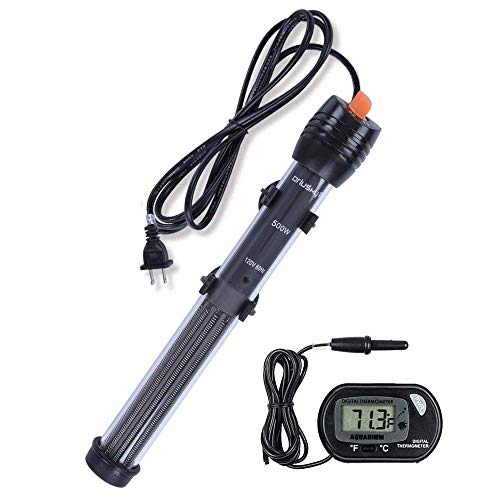
Ammonia is produced every day from fish waste, leftover food, and decaying plant matter. In a healthy, cycled tank, beneficial bacteria convert that ammonia into nitrite and then into nitrate. A spike happens when something disrupts that bacteria colony or suddenly dumps too much waste into the water. The most common triggers are overfeeding (that extra pinch of flakes rots on the bottom), a dead fish or snail you did not find, cleaning your filter media with tap water (which kills the bacteria with chlorine), or adding too many fish at once. Even a sudden temperature drop can slow your bacteria down, so keeping a reliable aquarium heater set to the right temperature helps maintain a stable environment for your cycle.
How to Confirm It Is Ammonia and Not Something Else
Before you panic and dump chemicals in the tank, test the water. Use a liquid test kit, not test strips, because strips are less accurate at the critical low ranges. You are looking for a reading above 0 ppm. If ammonia is high but your nitrite and nitrate are also high, your cycle is still running but overloaded. If ammonia is high and nitrite and nitrate are both zero, your cycle has crashed entirely. That distinction matters because a crashed cycle means you need to rebuild the bacteria colony from scratch while protecting your fish. A digital thermometer can help you rule out temperature stress as a contributing factor, so check your aquarium digital thermometer to make sure the water is not too warm or too cold, both of which stress fish and worsen ammonia toxicity.
The Immediate Emergency Steps
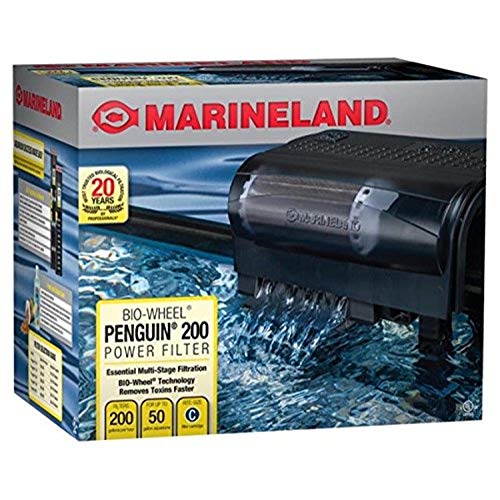
You have a spike right now. Here is the order of operations. First, stop feeding. Fish can go several days without food, and any food you add will just rot and make the problem worse. Second, do a large water change, 50 percent to 70 percent, using dechlorinated water that is matched to the tank temperature. Third, add a quality water conditioner that detoxifies ammonia (look for one that binds ammonia into a non-toxic form). Fourth, increase aeration with an air stone or by pointing your filter output toward the surface, because ammonia toxicity is worse in low oxygen. If you have a filter sponge that is clogged, rinse it gently in old tank water (never tap water) to keep flow up. For long-term filtration health, consider upgrading to high-quality aquarium filter sponges and media that provide more surface area for bacteria to colonize.
If your ammonia spike is very high (over 4 ppm) and your fish are gasping, do a second 50 percent water change 12 hours after the first one. You cannot overdose on water changes during an emergency, just keep the temperature and pH stable.
“The difference between a minor spike and a tank crash is often just one missed water change or one dead fish you did not see.”
How to Rebuild Your Cycle Without Losing Fish
After the emergency water change, your bacteria colony is likely damaged. You need to help it recover while keeping ammonia low enough that your fish survive. Dose a bottled bacteria product (the kind you keep refrigerated) daily for at least a week. Test ammonia and nitrite every 24 hours. If ammonia creeps back up above 0.5 ppm, do another water change. You are essentially performing a fish-in cycle. Be patient, it can take 2 to 6 weeks for the cycle to fully re-establish. Do not add any new fish during this time. Also, do not use chemical ammonia removers long-term, they only mask the problem and can interfere with the bacteria you are trying to grow.
Preventing Future Spikes
Once your tank is stable again, you want to keep it that way. Feed only what your fish can eat in 60 seconds, once a day. Vacuum the gravel weekly to remove debris before it breaks down. Do not overstock, a good rule is one inch of fish per gallon of water for small species. Keep your filter media clean but not sterile, rinse it in old tank water during water changes. If you have a heavily stocked tank or keep messy eaters like goldfish, you might benefit from a nitrate remover to keep overall waste levels manageable and reduce the load on your biological filter. Also, always quarantine new fish for at least two weeks before adding them to your main tank, a sick fish can die and cause a sudden spike.
When to Worry and When to Call a Vet
Most ammonia spikes can be handled with water changes and careful monitoring. But if your fish are showing severe signs like clamped fins, heavy breathing, red streaks on the body or fins, or if they are lying on the bottom and not moving, that is advanced ammonia poisoning. In those cases, after you have done the water change and added a detoxifier, consider moving the most affected fish to a separate hospital tank with clean, cycled water. If symptoms do not improve within 24 hours, talk to an aquatic veterinarian. They can advise on the use of medications like methylene blue for severe cases, but never add medications to your main display tank without professional guidance.