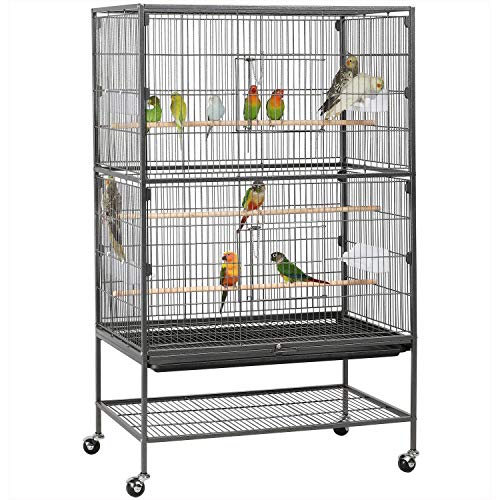
If you have a female parakeet, you might have heard the term “egg binding” and felt a chill run down your spine. It sounds scary, and honestly, it is a serious emergency. But knowing what to look for and how to act can save your bird’s life. Egg binding happens when an egg gets stuck in the reproductive tract and the bird cannot push it out. It is not a disease, but a symptom of an underlying issue like low calcium, poor nutrition, or even stress. The good news? With the right knowledge, you can spot the signs early and take action. Let’s walk through the most common questions so you feel prepared, not panicked.
What Exactly Is Egg Binding in Parakeets?
Egg binding, or dystocia, occurs when a parakeet is unable to pass an egg through her cloaca (the single opening for waste and eggs). This can happen for many reasons, but the most common culprit is a lack of calcium. Calcium is essential for strong muscle contractions during egg laying. Without enough, the muscles are too weak to push the egg out. Other causes include a too-large egg, obesity, lack of exercise, or even a genetic predisposition. A hen that is egg-bound will often sit low on her perch, fluff up her feathers, and strain visibly. She might also have a swollen abdomen and breathe heavily. If you see these signs, time is of the essence.
How Can I Tell If My Parakeet Is Egg Bound?
You do not need to be a vet to notice the red flags. An egg-bound parakeet will usually act very different from her normal self. Look for these key symptoms:
- Sitting at the bottom of the cage with a puffed-up appearance (like a little feathery ball).
- Straining or pumping her tail up and down, as if she is trying to poop but nothing comes out.
- Lethargy and weakness, often with closed or half-closed eyes.
- Loss of appetite and sometimes a droopy wing.
- A swollen vent area that may look red or have a small egg visible but stuck.
If you notice any of these, do not wait. A bird can become critical within hours. One quick thing you can check is her droppings. If she is straining but producing only watery droppings or none at all, that is a strong indicator of a blockage.
What Should I Do at Home While Waiting for the Vet?
First, do not try to pop the egg or pull it out yourself. You can cause internal tearing or break the egg inside her, which can lead to a fatal infection. Instead, focus on supportive care. Move her to a quiet, warm, and humid environment. A temperature around 85 to 90 degrees Fahrenheit (29 to 32 degrees Celsius) can help relax her muscles. You can place her cage near a humidifier or put a shallow dish of warm water near her (not in the cage where she might drown). Offer her a shallow bird bath if she is willing to step in, as the moisture can help lubricate the vent. Also, gently rub a tiny drop of olive oil or coconut oil around her vent opening to help the egg slide out. But the most important step is to call your avian vet immediately. Home care is a bridge, not a cure.
Never apply pressure to your bird’s abdomen. If the egg breaks inside her, the yolk can cause a life-threatening infection called egg yolk peritonitis. Always prioritize a vet visit over home remedies.
How Does Diet Affect Egg Binding Risk?
Nutrition is everything when it comes to preventing egg binding. A diet that is high in seeds but low in calcium and vitamin D3 sets your parakeet up for trouble. Seeds alone simply do not have enough calcium to support egg production. That is why a high-quality, balanced diet is key. A great foundation is a parakeet food blend that includes pellets, seeds, and added vitamins. But even with good food, you need to offer extra calcium sources. A cuttlebone, a mineral block, or a liquid calcium supplement are all excellent choices. For birds that breed regularly, a calcium supplement can be a lifesaver, especially during the breeding season. Also, make sure your bird has access to natural sunlight or a UV light so her body can actually use the calcium she eats.
Can Egg Binding Be Prevented?
Yes, you can dramatically lower the risk with a few simple habits. First, do not encourage breeding unless you are prepared. Remove any nest boxes or cozy huts if you do not want eggs. Sometimes just a dark, enclosed space can trigger a hen to lay. Second, keep her active. A bird that flies and climbs is healthier overall. Make sure her cage has rope perches of different widths to exercise her feet and legs, which helps with muscle tone. Third, monitor her weight. An overweight bird has a harder time passing eggs. Weigh her weekly on a kitchen scale and keep a log. Finally, give her a break from laying. If she lays a clutch, let her sit on the eggs for about three weeks, then remove them gradually so she does not go into another laying cycle right away. A hen that lays too many clutches back-to-back is at very high risk for egg binding.
“A healthy parakeet is a happy parakeet. But a parakeet with strong muscles and plenty of calcium is a parakeet that can lay an egg safely.”
When Is Egg Binding an Absolute Emergency?
If your bird is gasping for air, has a blue tint to her cere (the fleshy area above her beak), or is completely limp, that is a life-or-death emergency. An egg that is stuck for more than 24 to 48 hours can cause organ failure, paralysis, or death. In these cases, a vet will likely give your bird an injection of calcium and a hormone to help her contract. In severe cases, they may need to gently aspirate the egg with a needle to collapse it, or even perform surgery. Do not wait to see if she gets better on her own. Egg binding does not resolve without intervention. If you are unsure, err on the side of caution and call your vet. They would rather you call for a false alarm than wait too long.
Female parakeets can lay eggs even without a male present. These eggs are infertile, but the hen can still become egg bound. So do not assume she is safe just because she lives alone.
Will My Parakeet Be Okay After Egg Binding?
With prompt treatment, most parakeets recover fully. After the egg is passed, keep her warm and quiet for a few days. Offer her extra calcium-rich foods like dark leafy greens (kale, spinach) and a cuttlebone. Watch her droppings to make sure she is pooping normally. Some birds may need a few days of antibiotics if there was any tearing or infection risk. And here is a gentle note: if your bird has had egg binding once, she is more likely to have it again. Talk to your vet about long-term management, which may include a hormonal implant to stop egg laying entirely. It is a tough decision, but sometimes it is the kindest one for her health.