If your bearded dragon has suddenly stopped eating, spends most of the day hiding, and seems sluggish, you might be worried. But before you panic, know this: it could be brumation. Brumation is a natural, hibernation-like state that many bearded dragons enter, usually during the cooler months. It can last from a few weeks to several months. While it looks alarming, it is a normal biological process. This guide answers the most common questions about bearded dragon brumation so you can support your reptile with confidence.
What Exactly Is Brumation and Why Does It Happen?
Brumation is the reptile version of hibernation. In the wild, bearded dragons from central Australia experience cooler temperatures and less daylight during winter. Their bodies respond by slowing down their metabolism. They hide, stop eating, and sleep a lot to conserve energy. In captivity, even with a controlled small reptile heat lamp, some dragons still sense the seasonal change and enter brumation. It is not an illness, it is an instinct. Think of it as your dragon’s way of hitting the reset button. It usually happens once a year, often between late fall and early spring.
How Do I Know If My Bearded Dragon Is Brumating or Sick?
This is the most common worry. Brumation and illness can look similar: lethargy, loss of appetite, and hiding. The key difference is that a brumating dragon will still be alert when handled, though sluggish. They might move to a warmer spot occasionally. A sick dragon often shows other signs like sunken eyes, unusual stool, weight loss, or labored breathing. If you are unsure, a gentle soak in warm water can help. A brumating dragon will usually wake up a bit and might drink. A sick dragon may not respond. Always trust your gut. If your dragon has not eaten for more than two weeks and looks thin, ask your vet. It is better to be safe.
Do I Need to Turn Off the Lights and Heat During Brumation?
No, you should not turn everything off. Brumation is not a deep hibernation, and your dragon still needs a temperature gradient. Keep your small reptile heat lamp on a timer to mimic a shorter day, about 8 to 10 hours of light instead of 12 to 14. The basking spot should still reach around 90 to 95 degrees Fahrenheit, and the cool side should stay around 70 to 75. This lets your dragon move to a warmer area if they need to warm up. Dropping the temperature too low can cause respiratory infections. A consistent, reduced schedule is the goal, not a complete shutdown.
In the wild, bearded dragons often brumate in burrows. You can mimic this by offering a cozy hide. Some owners use a snug fit reptile house filled with soft substrate to help their dragon feel secure during this vulnerable time.
Should I Still Offer Food and Water During Brumation?
Offer fresh water daily, but do not force feed. A brumating dragon’s digestive system slows way down. Eating can cause food to rot in their gut, leading to serious problems. Most dragons will refuse food entirely. That is normal. If they do not eat for weeks, do not worry as long as they are not losing weight rapidly. You can offer a shallow dish of water, and sometimes a gentle misting on their snout encourages them to lick. If they stay awake for a day or two, you can offer a small, easy-to-digest meal like a few greens, but do not be surprised if they ignore it.
How Long Does Brumation Last and When Should I Worry?
Brumation can last anywhere from two weeks to four months. The average is about two to three months. Some dragons will wake up for a day, move around, then go back to sleep. That is normal. You should start to worry if your dragon has not moved at all for over a week, or if they have lost a noticeable amount of weight. A healthy brumating dragon will still have a firm body and bright eyes. If you see sunken eyes, a limp tail, or any discharge from the mouth or nose, contact your vet immediately. Also, if your dragon is under a year old, brumation can be risky because they need to eat to grow. Always ask your vet before letting a juvenile brumate.
What Should I Do When Brumation Ends?
When your dragon starts to wake up, they will likely be groggy and thirsty. Offer a shallow warm bath to help them rehydrate. Then, slowly reintroduce food. Start with small portions of easy greens like collard or mustard greens. Do not offer a huge feast of bugs right away. Their digestive system needs time to restart. Gradually increase the light cycle back to 12 to 14 hours over a week. You might notice they shed soon after waking up, which is a good sign of health. Be patient, it can take a week or two for their appetite and energy to fully return.
“Brumation is not a crisis, it is a cycle. Respect it, and your dragon will emerge healthier and more vibrant than before.”
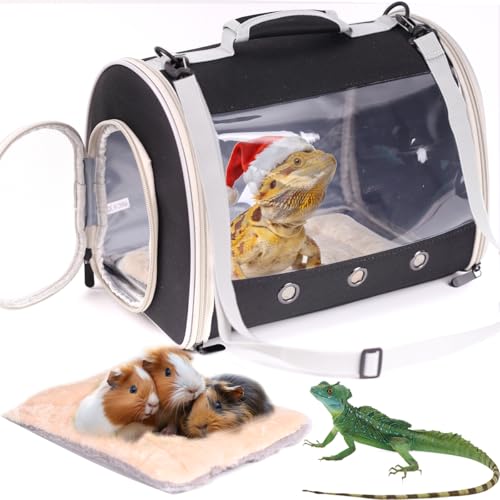
If you plan on taking your dragon out for some gentle sunlight or a short trip after brumation, a reptile carrier can make the transition safer and less stressful. A secure carrier helps them feel safe while you monitor their recovery. Remember, every dragon is different. Some never brumate, some do it every year. The most important thing is to observe, provide a stable environment, and consult your vet if anything feels off. You have got this.