Bringing your cat home after a neuter surgery can feel a little nerve-wracking. You want them comfortable, you want the incision to heal perfectly, and you probably have a dozen questions about what is normal and what is not. This guide walks through the most common recovery questions with straightforward, practical answers so you can focus on helping your cat rest and heal.
How Long Does Recovery Actually Take?
Most cats start acting like themselves within 24 to 48 hours after surgery, but full healing of the internal and external tissues takes longer. The external incision usually closes in about 7 to 10 days. Internal healing, where the spermatic cord seals off and the body absorbs the sutures, takes closer to two weeks. Your vet will likely recommend keeping activity restricted for at least 10 to 14 days. Every cat heals a little differently, so watch your cat’s energy and comfort level rather than just counting days.
“A quiet cat heals faster than a jumping one. Patience now saves a trip back to the vet.”
Do They Really Need the Cone? What Are the Alternatives?
The cone, or Elizabethan collar, exists for one reason: cats are excellent groomers, and licking the incision can introduce bacteria, pull out stitches, or cause swelling. Many cats hate the hard plastic cone, but there are alternatives. A soft recovery collar, an inflatable donut collar, or even a baby onesie (often called a surgical suit) can work well for cats who tolerate them. The key is that whatever you use must prevent your cat from reaching the incision with their mouth. If you notice your cat licking through a soft collar, switch back to the harder cone. A calm cat is less likely to fuss with the collar, and using a cat calming collar designed for sensitive cats can help reduce anxiety and make the whole recovery period smoother.
Can My Cat Use the Litter Box Normally?
Yes, but you need to make a temporary change. Regular clay or clumping litter can get into the incision site and cause irritation or infection. For the first week, switch to a non-clumping, paper-based pellet litter or shredded newspaper litter. These materials are less dusty and won’t stick to the wound. Keep the litter box extra clean, scooping at least twice a day, to reduce the risk of bacteria. If your cat seems hesitant to use the box, try a shallow pan or remove the lid so there is no extra effort to step inside. A clean environment also helps manage any post-surgery odors, so using a pet odor eliminator on nearby carpets can keep the room fresh without harsh chemicals.
How Do I Keep a Cat Calm and Resting?
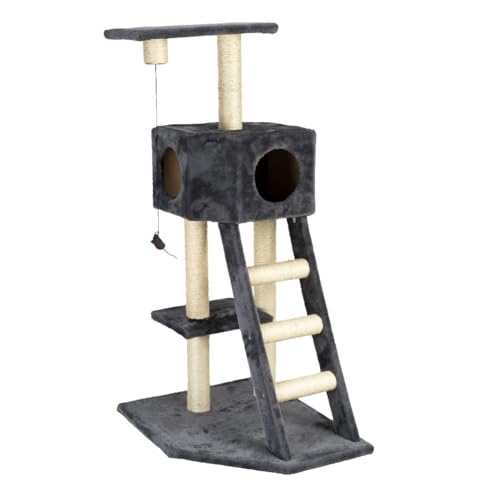
This is often the hardest part, especially with an energetic young cat. A jumping, running, or climbing cat can pull stitches or cause internal bleeding. Keep your cat in a small, quiet room like a bathroom or spare bedroom for the first few days. Remove cat trees, high perches, and anything they might leap onto. Provide a low, cozy bed and a few quiet toys. You can also offer a puzzle feeder or a treat-dispensing toy that encourages gentle mental activity instead of physical play. If your cat is very restless, talk to your vet about a mild sedative or calming supplement. Some owners find that a cat probiotic can help support digestion and overall comfort during the stress of recovery, but always check with your vet first.
A cat’s skin heals from the inside out. That means the incision may look slightly pink or puffy on day three or four, which is actually a sign of healthy tissue regeneration underneath. As long as there is no discharge or redness spreading, that puffiness is normal.
What Should the Incision Look Like?
For a male cat neuter, the incision is typically very small, often just a single tiny slit on each side of the scrotum. It should be clean, dry, and the edges should be touching. Some slight redness or mild bruising is normal for the first couple of days. What is not normal is active bleeding, green or yellow discharge, a foul smell, or swelling that gets bigger. If you see any of those signs, call your vet immediately. Do not put any creams, ointments, or antiseptics on the incision unless your vet specifically tells you to. Cats groom themselves fastidiously, so keeping the area clean is mostly about preventing them from licking it.
When Can My Cat Go Outside or Play with Other Pets?
Wait the full 10 to 14 days your vet recommends before letting your cat outside or allowing rough play with other pets. Even if your cat seems fully recovered, the internal tissues are still fragile. A sudden jump off a fence or a wrestling match with another cat can tear the healing tissue and cause a hernia or infection. For multi-cat homes, keep the neutered cat separated from other pets for at least the first three to five days. After that, supervised, calm interactions are fine. If your other cats have allergies or sensitivities, a cat brush designed to reduce dander can help keep the whole household more comfortable during this indoor-only period.
Remember, every cat is an individual. Some bounce back in three days, others take the full two weeks. Your vet knows your cat’s specific health history, so when in doubt, call them. A little caution now means a lifetime of healthy, happy, and trouble-free companionship.