If you have ever walked into a room and caught that sharp, unmistakable whiff of cat urine on the wall, you know the mix of frustration and worry that follows. You might wonder, “Why is my cat doing this? Is she mad at me? Is she sick?” Take a breath. Cat spraying is one of the most common behavioral issues cat owners face, and it is almost never about spite. It is a form of communication, usually triggered by stress, territory issues, or an underlying health problem. The good news is that with the right approach, you can often stop it. Let us walk through the most common questions about cat spraying, so you can get your home smelling fresh and your cat feeling secure again.
What Is Cat Spraying vs. Regular Urination?
First, you need to know what you are dealing with. Spraying is a specific behavior where a cat backs up to a vertical surface, lifts her tail (which may quiver), and releases a small amount of urine. It is usually done on walls, furniture, curtains, or electronics. Regular urination, on the other hand, happens on a horizontal surface like the floor or a litter box, and it involves a larger volume of urine. A cat that is urinating outside the box usually squats and empties her bladder. Spraying is a deliberate marking behavior. It is not a litter box problem, so cleaning and changing the litter may not fix it. If you are seeing a puddle on the floor, that is likely a different issue, often medical or litter box related. If you are seeing small amounts on vertical surfaces, that is spraying.
Why Do Cats Spray?
Cats spray for two main reasons: to mark territory and to signal stress. Unneutered male cats spray to advertise their availability to females, but neutered males and even females can spray too. In fact, about 10% of neutered males and 5% of neutered females will still spray under certain conditions. The biggest triggers are changes in the environment, like a new pet, a move, or even new furniture. Cats are creatures of habit, and any disruption can make them feel insecure. They use urine as a way to create a familiar scent and claim their space. It is also a way to communicate with other cats, whether they are indoor or outdoor. If your cat sees a stray through the window, she might spray near that window to say, “This is my territory.” Stress is a huge factor, so look at what has changed recently. Even something as simple as a change in your work schedule can make a sensitive cat feel uneasy.
Is Spraying a Sign of a Medical Problem?
Yes, sometimes. Before you assume it is behavioral, you should rule out medical issues. Urinary tract infections, bladder stones, and feline interstitial cystitis can all cause a cat to urinate in odd places, including on vertical surfaces. These conditions can be painful, and a cat may associate the litter box with that pain, so she avoids it. If your cat suddenly starts spraying, especially if she is also urinating outside the box on horizontal surfaces, or if she is straining, crying, or licking her genitals, a trip to the vet is essential. Your vet can run a urinalysis and other tests to rule out infections or crystals. If it is a medical issue, treating it will likely stop the spraying. Do not try to treat this at home. Always ask your vet for guidance if you suspect a health problem.
How Can I Stop My Cat From Spraying?
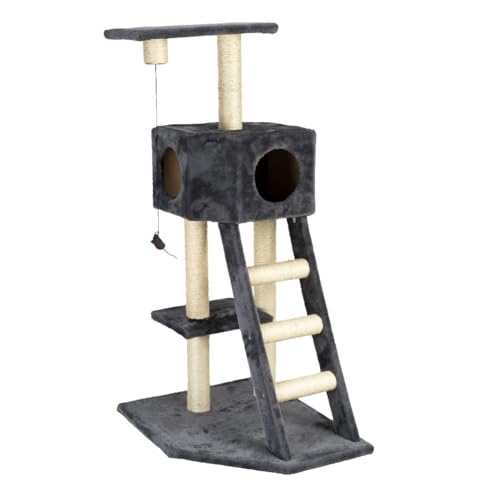
Once your vet gives your cat a clean bill of health, you can focus on behavior. The first step is to thoroughly clean any sprayed areas with an enzymatic cleaner. Regular cleaners may remove the visible stain, but they often leave behind a scent that your cat can still smell, which encourages her to spray again. Enzymatic cleaners break down the urine proteins completely. Next, make the areas she sprays less appealing. You can place aluminum foil, double-sided tape, or a plastic mat over those spots. Some cats also dislike citrus scents, so a citrus-based spray can help, but test it on a small area first. Then, address the root cause: stress. Provide more vertical space, like cat trees or shelves, so your cat can survey her territory from a high vantage point. Make sure she has multiple, clean litter boxes in quiet, low-traffic areas. A general rule is one box per cat, plus one extra. Also, increase playtime and interactive toys to burn off energy and reduce anxiety. If you have multiple cats, make sure each has her own food, water, and resting spots to reduce competition.
If your cat sprays near windows or doors, try blocking her view of outdoor animals with blinds or a frosted window film. This can remove a major stress trigger and reduce the urge to mark.
What Role Do Pheromones and Medications Play?
Pheromone diffusers, like Feliway, can be very helpful. These synthetic versions of feline facial pheromones send a calming signal to your cat, which can reduce stress-related spraying. You plug them into the room where your cat spends the most time. They are not a magic cure, but they work well when combined with environmental changes. In more severe cases, your vet might prescribe anti-anxiety medication, such as fluoxetine or clomipramine. These are not first-line treatments, but they can be effective for cats that do not respond to behavior modification. Never give your cat any medication without veterinary supervision. If you are also dealing with other stress-related issues, like allergies, remember that a healthy cat is a happier cat. For example, if your cat has food allergies, that can cause discomfort and stress, which might contribute to spraying. Check out our guide on signs of food allergies in cats to see if that might be a factor. Also, regular grooming can help reduce stress and strengthen your bond. If your cat is prone to hairballs, that can be another source of discomfort. Learn how often to brush a cat prone to hairballs to keep her comfortable and relaxed.
Does Neutering or Spaying Stop Spraying?
Yes, in most cases. Neutering a male cat before he reaches sexual maturity (around 5 to 6 months) dramatically reduces the likelihood of spraying. About 90% of male cats will not spray after neutering. If a male cat has been spraying for a long time before neutering, the habit may persist, but neutering still helps in most cases. Female cats can also spray, especially if they are in heat. Spaying a female cat eliminates the hormonal drive to mark territory and attract mates. If your cat is already neutered or spayed and still sprays, then the cause is likely behavioral, as we discussed above. It is always best to spay or neuter early to prevent this behavior from becoming a habit.
“Spraying is your cat’s way of saying, ‘I feel uncertain here.’ Your job is to make her feel safe, not to punish her.”
What If My Cat Is Spraying Because of Allergies?
Allergies can cause skin irritation, ear infections, and digestive upset, all of which can make your cat miserable and stressed. That stress can trigger spraying. If your cat is constantly licking, scratching, or has frequent ear infections, allergies might be the underlying issue. Managing those allergies can improve her overall well-being and reduce her stress level. For example, if your cat has environmental allergies, you might need to bathe her more often to remove allergens from her fur. Check out our guide on how often to bathe a cat with allergies for practical tips. Also, if you are considering a hypoallergenic diet, we have information on hypoallergenic cat diet homemade food that might help. Addressing allergies is not a direct cure for spraying, but it removes one more source of stress from your cat’s life.
Should I Punish My Cat for Spraying?
Absolutely not. Punishment, like yelling, clapping, or spraying your cat with water, will only increase her anxiety and make the problem worse. She will not connect the punishment to the spraying, especially if you do not catch her in the act. She will just learn to fear you. Instead, focus on positive reinforcement. Reward her when she uses the litter box, and give her plenty of affection and playtime. If you catch her in the act of spraying, calmly interrupt her with a gentle noise, like a soft “psst” or a clap, and then redirect her to a scratching post or a toy. Then, clean the area thoroughly. The goal is to reduce her stress, not to add to it. Remember, she is not doing this to annoy you. She is trying to communicate a need, and it is your job to figure out what that need is.
If your cat is spraying and also showing signs of pain, such as straining to urinate, crying out, or licking her genitals, see your vet immediately. This could be a urinary blockage, which is a life-threatening emergency.
Dealing with cat spraying takes patience and a bit of detective work. Start with a vet visit to rule out medical issues, then look at your cat’s environment and stress levels. Clean thoroughly, provide plenty of resources, and consider pheromone therapy. With time and consistency, you can help your cat feel secure again, and your home will smell fresh once more.