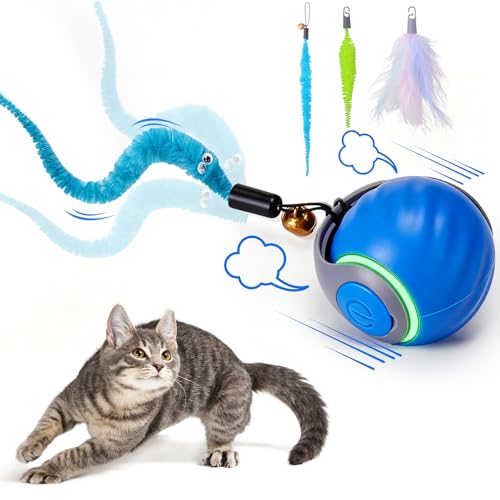
You shake a fresh bag of catnip, sprinkle a pinch on a new scratching post, and wait for the show. Sometimes you get a rolling, blissed-out kitty. Other times, your cat sniffs it and walks away. If you have ever wondered whether catnip is actually working, you are not alone. Let’s answer the most common questions about catnip effectiveness, straight from one cat owner to another.
Why Does Catnip Affect Some Cats and Not Others?
Catnip sensitivity is inherited. About 50 to 70 percent of cats have the gene that makes them react to nepetalactone, the active compound in the plant. Kittens under six months old usually do not respond at all, and senior cats may lose interest over time. If your cat is a non-responder, it is completely normal, they simply lack the genetic receptor. You can try silver vine or valerian root as alternatives, as some cats that ignore catnip react strongly to those.
How Long Does the Catnip Effect Actually Last?
A typical catnip session lasts between 5 and 15 minutes. After that, your cat becomes temporarily immune to the effects for about one to two hours. This is called the refractory period. If you reapply catnip during that window, your cat will likely show zero interest. For the best results, use catnip sparingly, no more than once every few days, to keep the novelty and effectiveness high.
Catnip is a member of the mint family. The same compound that drives cats wild is also a natural mosquito repellent. So while your cat is rolling around, they are also getting a little pest protection.
Does Catnip Work for Calming or Only for Hyperactivity?
It depends on the cat. Most cats display a euphoric, playful response, rolling, rubbing, and zooming. But a smaller percentage of cats become mellow and relaxed after the initial excitement. If you want to use catnip to help your cat wind down, try offering it in a quiet environment on a soft bed or a cat tree where they feel safe. For anxious cats, a calming collar may be a more reliable option for consistent, gentle anxiety relief.
Can You Give a Cat Too Much Catnip?
Yes, but it is rarely dangerous. Overconsumption can cause mild vomiting or diarrhea, especially if your cat eats a large amount of dried leaves. Stick to a pinch or two per session. If your cat ingests a lot of fresh catnip from the garden, monitor them and offer water. For cats with sensitive stomachs, a cat probiotic can help support digestive balance. As always, if your cat shows severe symptoms, ask your vet.
“Catnip is a treat, not a meal. A little goes a long way for a happy, healthy cat.”
Does Catnip Lose Its Potency Over Time?
Yes, dried catnip loses its strength after about six months to a year. Exposure to air, light, and heat breaks down the nepetalactone. Store your catnip in an airtight container in a cool, dark place, like a pantry or cupboard. If your cat used to go crazy for a certain brand and now ignores it, the catnip may have gone stale. Fresh catnip from a garden or high-quality sealed brands usually give the strongest reaction.
Is Catnip Effective for Training or Redirecting Behavior?
Absolutely. Catnip is a great tool for encouraging your cat to use appropriate scratching surfaces. Sprinkle a little on a new scratching post to attract them. If you have a cat with allergies, choose a natural and allergen-free scratching post to avoid triggering sneezes or skin reactions. You can also use catnip to make a cat carrier less stressful, spray the inside with a catnip spray or rub dried leaves on a blanket inside the carrier. For cats that need extra encouragement to relax during travel, a carrier designed for allergies can reduce airborne dander and make the whole experience more pleasant.
Does Catnip Work on Every Type of Cat?
No, and that is okay. Large cats like lions and tigers also respond to catnip, but domestic cats vary widely. Spayed and neutered cats react the same as intact cats. The response is purely genetic and neurological, not related to personality or breed. If your cat does not react, try different forms like catnip spray, catnip bubbles, or fresh leaves. Some cats prefer the smell of silver vine or Tatarian honeysuckle wood.
Catnip is a simple, safe way to enrich your cat’s life. Use it wisely, store it well, and enjoy the show, whether it is a full-blown roll or a gentle purr.