Bringing your dog home after surgery is a mix of relief and worry. You are glad the procedure is over, but now you are in charge of recovery, and that can feel like a lot. Whether your dog had a routine spay, a dental cleaning, or something more involved like hip dysplasia surgery, the days ahead require patience, a calm space, and a clear plan. You do not need to be a vet to help your dog heal, you just need to know what to expect and how to respond to common hiccups. Let’s walk through the most frequent questions owners ask after their dog comes home from the clinic.
How Do I Keep My Dog Calm and Quiet After Surgery?
This is often the hardest part. Your dog may feel groggy, but once the anesthesia wears off, many dogs want to bounce back to their normal routine, which is exactly what you need to prevent. Stitches can tear, swelling can increase, and healing can be delayed if your dog jumps, runs, or plays too soon. Set up a quiet, confined area with a comfortable bed, water, and easy access to a potty spot. Keep the space free of toys that encourage tugging or chasing. If your dog is used to running around with other pets, you may need to separate them for a few days. For dogs who are especially energetic, ask your vet about safe calming aids or mild sedatives. And if you have a breed that is naturally high-energy, like a Bernese Mountain Dog, you will need to be extra strict about rest, since they are prone to joint issues and need careful recovery. For more on their specific exercise needs after healing, check out this guide on how much exercise a Bernese Mountain Dog needs.
What Should I Feed My Dog After Surgery?
Your vet will give you specific feeding instructions based on the type of surgery. In general, start with small amounts of water and a light meal a few hours after you get home, unless told otherwise. Some dogs feel nauseous from anesthesia, so a bland diet like boiled chicken and rice can be easier on the stomach. Do not switch foods abruptly without asking your vet, and never give your dog human pain relievers. If your dog is not interested in food for more than 24 hours, or if they vomit repeatedly, call your vet. Also, keep in mind that some dogs gain weight during recovery because they are less active. If your dog is prone to weight gain, like many large breeds, talk to your vet about adjusting portions during the recovery period.
How Do I Manage My Dog’s Pain After Surgery?
Your vet will send you home with pain medication and clear dosing instructions. Give it exactly as prescribed, and do not skip doses, even if your dog seems fine. Pain can be subtle, and dogs are good at hiding it. Watch for signs like restlessness, panting, whining, or a lack of appetite. If you think the pain is not controlled, call your vet, do not give extra medication on your own. Also, keep your dog from licking or chewing the incision, as that can cause infection and pain. An Elizabethan collar, often called a cone, is the safest option. Some owners prefer inflatable collars or surgical recovery suits, but ask your vet which is best for your dog’s surgery site.
When Can My Dog Go Outside to Potty After Surgery?
Short, leashed bathroom breaks are usually fine as soon as your dog is steady on their feet, but you must keep them on a tight leash and avoid any running or jumping. Carry your dog down stairs if needed, especially if they are groggy. Keep the walk very short, just enough to relieve themselves, and then head back inside. If your dog is used to a fenced yard where they can run, you will need to keep them on a leash for at least a week or two. For dogs that are used to vigorous outdoor activity, this can be tough, but it is essential. If you have a breed that loves to roam, like a Bernese Mountain Dog, you may want to plan a few short, supervised potty breaks instead of one long walk. And if your dog is still unsteady, use a sling or a towel under their belly for support.
How Do I Keep the Incision Clean and Monitor for Infection?
Check the incision twice a day for redness, swelling, discharge, or a bad smell. A small amount of bruising is normal, but anything that looks wet, oozing, or increasingly red should be checked by your vet. Do not clean the incision with hydrogen peroxide or alcohol, as that can irritate the tissue. Your vet will tell you if you need to clean it with a special solution. Keep your dog from licking the area, and do not bathe your dog until your vet says it is safe, usually 10 to 14 days after surgery. If you notice your dog is excessively licking or chewing, the cone may need to stay on longer. Also, keep an eye on the sutures or staples, and make sure they are not pulling or catching on anything.
What Are the Signs of a Serious Problem After Surgery?
While most recoveries go smoothly, you need to know when to call the vet immediately. Watch for pale gums, rapid breathing, a swollen or painful abdomen, vomiting, diarrhea, refusal to eat for more than 24 hours, or a fever. Also, if the incision opens up or if there is bright red bleeding, that is an emergency. Trust your gut. If something feels off, call your vet. It is always better to be safe. And remember, every dog heals at their own pace, so do not compare your dog’s recovery to someone else’s. If you have other pets at home, like cats, and you are wondering how they will react to your dog being less active, you might find this article on whether Siamese cats get along with dogs helpful, as it can give you ideas on how to introduce them safely during recovery.
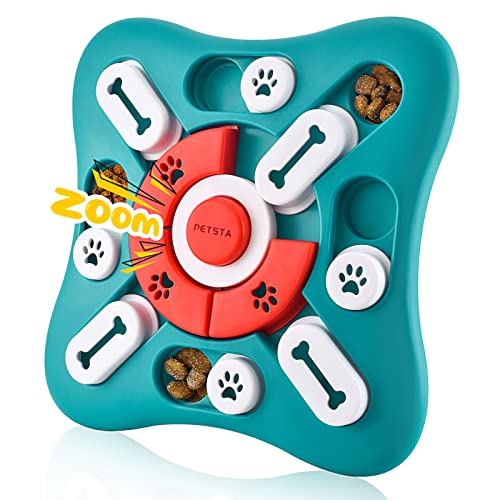
Set up a recovery station near a window but away from high-traffic areas. A soft, supportive bed, a water bowl, and a few quiet toys can make your dog feel secure. If your dog is a chewer, avoid giving them new toys that might encourage mouthing, and stick to puzzle toys that keep them mentally engaged without physical exertion.
“A calm dog heals faster, so your job is to be the calm one.”
How Long Does Full Recovery Take After Dog Surgery?
Recovery time depends on the type of surgery. Soft tissue surgeries, like spays or mass removals, often take 10 to 14 days for the skin to heal, but internal healing can take longer. Orthopedic surgeries, like those for hip dysplasia, can take 6 to 8 weeks or more. Your vet will give you a timeline and a plan for gradually increasing activity. Do not rush it. Even if your dog seems back to normal, their body is still healing. For breeds that are predisposed to joint problems, like Bernese Mountain Dogs, it is especially important to follow your vet’s rehab plan. If you are curious about the early signs of joint issues, this article on signs of hip dysplasia in Bernese Mountain Dogs can help you understand why careful recovery matters for certain breeds.
Throughout the recovery, keep your vet’s phone number handy and do not hesitate to call with questions. You are not bothering them, that is what they are there for. And if you have other animals in the house, think about how they might interact with your recovering dog. Sometimes a normally friendly cat or dog can become stressed by the cone or the smell of the clinic. Give your recovering dog a safe space away from other pets, and reintroduce them slowly. If you have a cat that is curious, you might want to read about whether Norwegian Forest Cats are good with dogs for tips on managing multi-pet households. Your dog’s recovery is a team effort, and with a little preparation, you can help them get back on their paws in no time.