You want to give your dog something to chew on that keeps them busy, happy, and healthy. Rawhide often comes to mind, but you have probably heard conflicting things. Is it safe? Can it cause blockages? Should you give it to a power chewer like a Cane Corso or a smart nibbler like an Australian Shepherd? We have gathered the most common questions about rawhide for dogs and answered them straight, so you can decide with confidence.
What Exactly Is Rawhide Made Of?
Rawhide is the inner layer of cow or horse hide, cleaned and pressed into chews, bones, or rolls. It starts as a byproduct of the leather industry. The hide is washed, often bleached or treated with chemicals, then shaped and dried. Some brands add flavorings or binders. Because it is tough and long-lasting, many owners reach for it. But the processing matters. Low-quality rawhide may contain chemicals or be poorly cleaned, which increases the risk of stomach upset. Look for single-ingredient, naturally sourced rawhide from trusted manufacturers if you choose to offer it.
Is Rawhide Safe for All Dogs?
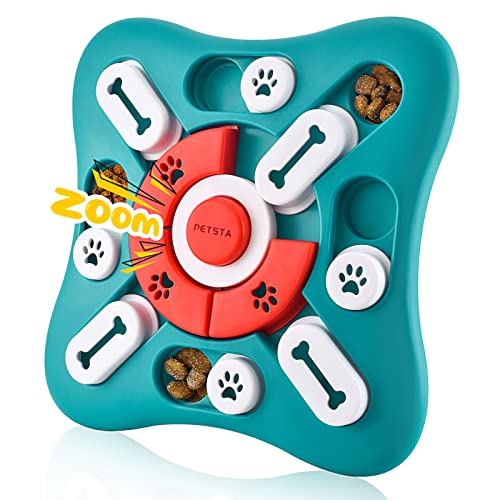
Safety depends on your dog’s size, chewing style, and digestive health. For a gentle chewer, a large rawhide bone can be fine. But for a determined dog like a Cane Corso, rawhide can be swallowed in large chunks, leading to choking or intestinal blockages. If you own a breed with a strong jaw, consider whether rawhide is the right fit. You can learn more about their temperament and needs in our guide Are Cane Corsos Good Family Dogs. Similarly, an Australian Shepherd who loves to shred and nibble might break off small pieces that are easy to swallow. For them, a puzzle toy or a safer chew might be a better choice. Check out our Puzzle Toys for Australian Shepherds: Top Picks for Smart Dogs for ideas that satisfy their need to work and chew.
Never leave your dog unsupervised with any rawhide chew. If the piece becomes small enough to swallow whole, take it away. If you notice vomiting, diarrhea, or straining to poop after rawhide, call your vet right away.
Can Rawhide Cause Digestive Problems?
Yes, and this is the number one concern. Rawhide is not fully digestible. When your dog chews, they swallow pieces that mix with stomach acid and saliva. While some of it softens and breaks down, large chunks can stay intact and cause blockages in the esophagus, stomach, or intestines. This is especially risky for dogs who gulp rather than gnaw. Signs of a blockage include vomiting, loss of appetite, lethargy, and abdominal pain. If you have a breed prone to gulping food, like some Cane Corsos, you might also want to look at their eating habits. Using Reduce Neck Strain: Best Dog Bowls for Cane Corsos can help slow down their eating, but for chews, you still need to be cautious. For dogs with sensitive stomachs, even small amounts of rawhide can cause loose stools or vomiting. Always introduce any new chew slowly.
“If it can’t be digested, it can’t be safe to swallow in large pieces. Choose chews that soften and break down easily.”
Are There Better Alternatives to Rawhide?
Absolutely. If you are worried about the risks, there are many safer chews that still provide the same mental stimulation and dental benefits. Look for:
- Bully sticks (fully digestible, high in protein, but high in calories)
- Sweet potato chews (single ingredient, digestible, good for sensitive stomachs)
- Collagen sticks (chewable, digestible, less greasy than bully sticks)
- Rubber toys with treat pockets (like Kongs, which you can stuff and freeze)
- Dental chews (veterinary-approved, designed to break down safely)
For an Australian Shepherd who needs both mental and physical stimulation, combining a safe chew with a puzzle toy works wonders. You can find great options in our Best Dog Food for Australian Shepherd Puppies guide, which also covers nutritional needs for growing pups who love to chew.
Many dogs prefer the texture of rawhide because it is tough and satisfying. But you can mimic that experience with a frozen carrot or a large, raw beef bone from the butcher. Always supervise and choose bones that are too large to swallow.
How Do I Choose the Right Rawhide for My Dog?
If you decide to give rawhide, follow these rules. First, pick the right size. The chew should be bigger than your dog’s mouth so they cannot swallow it whole. For a large breed like a Cane Corso, that means a jumbo bone. For a smaller Australian Shepherd, a medium rolled rawhide might work. Second, check the source. American or European rawhide tends to have stricter processing standards. Avoid rawhide that is colored, flavored with artificial ingredients, or smells like chemicals. Third, watch the thickness. Thicker rawhide lasts longer but also takes longer to soften. Thin, pressed rawhide can splinter and be more dangerous. Finally, know your dog. If they are a gulper, skip rawhide entirely. If they are a gentle chewer, you can offer it in short sessions.
Does Rawhide Help Clean Teeth?
It can, but not as well as you might think. The abrasive action of chewing scrapes off some plaque and tartar from the surface of the teeth. But rawhide does not clean below the gum line, and it does not prevent periodontal disease. For dental health, brushing your dog’s teeth daily is the gold standard. Some dental chews with the Veterinary Oral Health Council (VOHC) seal are proven to reduce tartar. If you want a chew that helps teeth, consider a VOHC-approved dental stick instead of rawhide. And remember, no chew replaces regular vet checkups and cleanings.
What About Rawhide for Puppies?
Puppies have delicate digestive systems and smaller mouths. Rawhide can be especially risky for them because they may swallow pieces before they soften. Plus, their baby teeth are sharp and can break off small chunks. For puppies, stick to soft, digestible chews like puppy-specific teething rings, frozen washcloths, or rubber toys. If you have an Australian Shepherd puppy, their high energy and need to chew can be channeled into safe toys and proper nutrition. Our guide on Best Dog Food for Australian Shepherd Puppies can help you support their growth while keeping their chewing habits safe. Always ask your vet before giving any new chew to a puppy under six months.