In exotic animal practice, dental disease is one of the conditions I diagnose most often in guinea pigs, and it is also one of the most misunderstood by owners. People are often surprised to learn that a guinea pig’s teeth never stop growing, including the molars hidden at the back of the mouth. When those teeth fail to wear down evenly, they form sharp points that turn every meal into a painful ordeal, and the pig slowly stops eating.
What makes dental disease so serious in this species is how quietly it begins and how quickly it can turn critical. A guinea pig is a prey animal hardwired to mask weakness, so by the time most owners notice a problem, the disease has often been brewing for a while. I have written this guide to help you recognize the earliest signs, understand why these problems develop, and know exactly when a trip to the vet cannot wait. Catching dental disease early genuinely saves lives in guinea pigs.
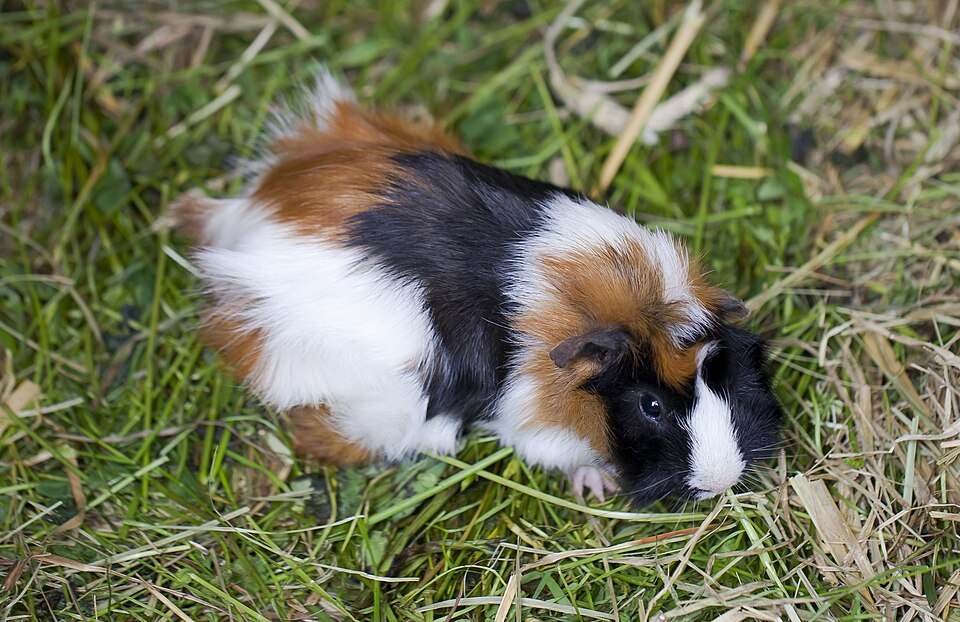
What Is Dental Disease in Guinea Pigs?
Dental disease is an umbrella term for any problem affecting a guinea pig’s teeth, gums, or tooth roots. Guinea pigs have what we call open-rooted or elodont teeth, meaning all of their teeth, both the front incisors and the back molars, grow continuously throughout life. Chewing tough, fibrous food is what keeps that growth in check. When the system goes wrong, the teeth overgrow in ways that cause pain and prevent normal eating.
The most common form of dental disease is molar overgrowth with spur formation, where uneven wear leaves sharp edges that lacerate the soft tissues. Other forms include malocclusion, where the bite is misaligned so the teeth simply do not meet correctly, and tooth root problems, where the roots overgrow into the jaw or face and may become infected. Understanding which type your pig has shapes the whole treatment plan.
Symptoms to Watch For
Because the affected teeth are usually deep in the mouth, dental disease shows itself through behavior and body changes rather than anything you can easily see. These are the signs I tell owners to take seriously.
The earliest and most reliable warning is usually quidding, where a hungry pig clearly wants to eat, picks up food, then drops it because chewing hurts. A pig that suddenly prefers soft vegetables and refuses its hay is telling you the same thing. Pair any of these with a falling weight on your weekly scale check and you have strong evidence of a dental problem that needs professional attention.
What Causes It
Dental disease has a handful of distinct drivers, and knowing which one applies helps both treatment and prevention. Here are the main groups I consider in the exam room.
Diet Related
- Too little coarse grass hay to wear teeth
- Diet too heavy in soft pellets and treats
- Vitamin C deficiency weakening gums and bone
- Sugary fruit causing poor chewing patterns
Structural and Genetic
- Congenital malocclusion (misaligned bite)
- Jaw shape that prevents even wear
- Previous injury knocking teeth out of line
- Age-related changes in older pigs
Secondary Problems
- Tooth root overgrowth into the jaw
- Tooth root abscess and infection
- Reduced chewing from another illness
- Metabolic bone weakness affecting the jaw
In day-to-day practice, inadequate hay is by far the leading cause I encounter. Grass hay is abrasive and demands prolonged side-to-side grinding, which is exactly the motion that keeps molars worn flat. When a pig fills up on pellets and treats instead, the teeth simply do not get enough wear. The second major group is genetic, where some guinea pigs are unfortunately born with a bite that will never wear correctly no matter how perfect the diet.
Treatment and Recovery
Dental disease cannot be fixed at home, and attempts to file teeth yourself can cause serious injury. Treatment is a veterinary procedure, but the outcomes are often very good when the problem is caught before the pig has lost too much weight. Here is the typical path.
Thorough Dental Exam
An exotics vet examines the molars using a specialized mouth gag and good lighting, usually under sedation, because the back teeth simply cannot be assessed in an awake guinea pig. This reveals spurs, bridges, and uneven wear.
Imaging the Roots
Skull X-rays let the vet check whether the tooth roots have overgrown into the jaw or developed an abscess. This is important because root problems change the prognosis and the treatment plan considerably.
Filing the Teeth
Using a dental burr, the vet files overgrown molars and removes sharp spurs to restore a normal chewing surface. For abscesses, additional surgery and antibiotics may be needed. Pain relief is always part of the plan.
Feeding Support
A pig that has not been eating well needs syringe feeding with a fiber-rich recovery formula to keep the gut moving. Your vet will show you the technique and the amounts, and this support often continues for several days at home.
Recheck and Long-Term Plan
Follow-up visits confirm healing and establish whether the teeth will need ongoing filing. Together with your vet you will overhaul the diet so that unlimited grass hay does the natural maintenance going forward.
Recovery varies widely. A pig whose only problem was a spur or two often bounces back within days and may never need another procedure if the diet is corrected. A pig with a genetic malocclusion will live a normal, happy life but will need its molars filed on a regular schedule indefinitely. Pigs with tooth root abscesses face the toughest road and require dedicated long-term care, which is precisely why early intervention is so valuable.
Prevention and Home Care
You cannot override genetics, but you can prevent the most common, diet-driven dental disease and you can catch trouble early. These are the habits I ask every guinea pig owner to adopt.
- Offer unlimited fresh grass hay around the clock, as this is the single best dental safeguard
- Keep pellets to a small measured daily amount so they do not displace hay
- Provide a daily vitamin C source through leafy greens or a vet-recommended supplement
- Limit sugary fruit and avoid human snacks entirely
- Weigh your guinea pig weekly and log the numbers to spot early loss
- Watch mealtimes for any dropping of food or reluctance to chew hay
- Book regular checkups with an exotics vet who examines the molars, not just the front teeth
- Respond quickly to drooling, foul breath, or appetite changes
If you want to make sure your pig always has the right chewing material, you can check current Amazon prices on guinea pig grass hay. A constant supply of good hay is the most powerful and affordable dental tool you have.
When to See Your Vet
Dental disease is one area where I always advise erring on the side of caution. The window between a guinea pig going quietly off its food and becoming critically ill can be alarmingly short, so prompt action protects your pet.
Even subtle signs deserve attention. If your pig is still eating but seems slower to chew, prefers soft foods, or has slightly lost weight, schedule an exotics appointment within a day or two rather than waiting. Always choose a vet who is experienced with guinea pig dentistry specifically, as the equipment and skills differ from those used for cats and dogs. If you ever suspect your pig has also eaten something toxic, the ASPCA Animal Poison Control Center can be reached at 888-426-4435.
Safety note: A guinea pig that has stopped eating because of dental pain can develop life-threatening gut stasis within hours, so seek same-day care from an exotics vet rather than waiting.