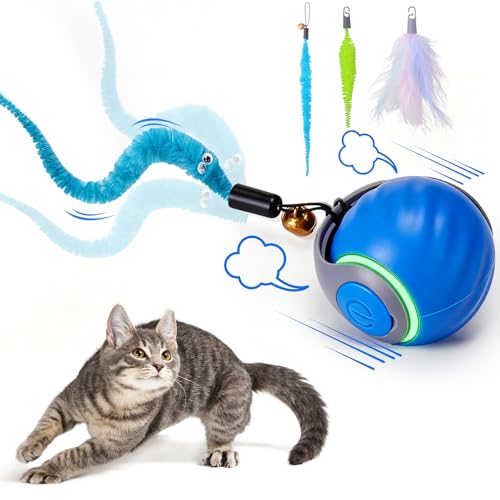
If you’ve ever watched your cat roll, drool, and chase invisible mice after a sniff of the green stuff, you’ve probably asked yourself: is this real? Does catnip actually get my cat high? The short answer is yes, but not in the way you might think. It’s not a drug, it’s a plant that triggers a natural, temporary response in your cat’s brain. And while it looks like a wild party, it’s completely safe and even healthy for most cats. Let’s break down the science, the behavior, and the best ways to offer it.
What Exactly Is Catnip and How Does It Work?
Catnip (Nepeta cataria) is a member of the mint family. The magic ingredient is an essential oil called nepetalactone, found in the leaves and stems. When your cat sniffs it, the oil binds to receptors in their nose that stimulate sensory neurons in the brain. This triggers a response similar to a natural ‘happy’ signal, which is why your cat might suddenly become playful, relaxed, or even a little goofy. It’s not a hallucinogen like LSD; it’s more like a temporary mood booster. The effect typically lasts 10 to 15 minutes, and then your cat becomes temporarily immune for about 30 minutes to an hour before the response can happen again.
Why Does My Cat Act So Weird? The ‘High’ Behaviors
You’ll see a range of reactions, depending on your cat’s personality and how they ingest the plant. When they sniff it, they often get the classic ‘zoomies’ and rolling around. When they eat it, they might become more mellow and sleepy. Some cats will drool, rub their face, or meow loudly. Others might just stare at the ceiling like they’re having a deep thought. It’s all normal. The key is that this behavior is voluntary and not distressing. If your cat seems scared or aggressive, that’s rare but possible, so always supervise the first few times.
Why Doesn’t My Cat React to Catnip? (It’s Not You)
Here’s a common worry: you buy the best catnip, and your cat just sniffs and walks away. Don’t feel bad. The sensitivity to catnip is genetic. Roughly 50 to 70% of cats have the gene that makes them respond. Kittens under six months often don’t react at all, and senior cats may lose interest. Also, if your cat is stressed or in a new environment, they might not be in the mood. If your cat doesn’t respond, try a different form, like a catnip spray or a toy filled with dried leaves. But if they still don’t care, that’s perfectly fine. They’re just one of the lucky ones who aren’t affected.
Is Catnip Safe? What About Overdosing?
Yes, catnip is safe for most cats. It’s non-toxic and not addictive. However, eating a huge amount can cause mild stomach upset or vomiting, which is just a natural reaction to too much plant material. That’s why it’s best to offer it in moderation, like a teaspoon for a toy or a pinch on a scratching post. If your cat eats a lot and throws up, it’s usually not serious, but always check with your vet if you’re concerned. Also, never give catnip to a cat with a known allergy to mint plants, and always ask your vet if your cat has any underlying health issues before introducing new treats.
Did you know that not all cats are affected? The sensitivity is inherited, so if both your cats are siblings, they might both react or both ignore it. It’s a genetic lottery, not a reflection of your cat’s personality.
How to Use Catnip: Toys, Beds, and More
Catnip isn’t just for fun; it can be a great tool for enrichment and training. You can sprinkle it on a scratching post to encourage clawing (which saves your sofa), or put it inside a toy to get your cat moving. It’s also a wonderful way to make a new cat bed feel inviting. If you’re dealing with a stressed cat, a little catnip on a favorite blanket can help them relax. Just remember to rotate toys and not leave catnip out all the time, because the novelty wears off. For cats with allergies, you might need to be extra careful. If your cat has skin allergies, the plant oils can sometimes cause mild irritation, so always wash your hands after handling it. For more on managing allergies, you might find our guide on how often to bathe a cat with allergies helpful, as it covers gentle routines that can reduce reactions.
Catnip vs. Other Herbs: What Else Works?
If your cat is one of the non-responders, or you just want to mix things up, there are other cat-friendly herbs like silver vine, valerian root, and honeysuckle. These contain different compounds that can trigger a similar response in about 80% of cats, even those that don’t react to catnip. You can find these in many commercial toys or as dried herbs. Just like with catnip, introduce them slowly and watch for any adverse reactions. And if your cat has a sensitive stomach, be cautious with new treats. For cats with food allergies, always check the ingredients, and you might want to read about signs of food allergies in cats to know what to avoid.
When to Avoid Catnip: Special Cases
While catnip is safe for the vast majority of cats, there are a few exceptions. If your cat is pregnant, it’s best to avoid it because the stimulating effects could cause stress. If your cat has a history of seizures, the intense activity might be a trigger, so ask your vet first. Also, if your cat is on any medication, especially sedatives, catnip could interact. Always err on the side of caution. And remember, catnip should never replace proper medical care. If your cat is lethargic or unwell, don’t use catnip to ‘cheer them up.’ Instead, consult your vet. For general health, you might wonder about long-term effects, but catnip is not known to shorten a cat’s life. If you’re curious about how allergies can affect your cat’s longevity, our article on life expectancy of a cat with allergies offers a clear perspective.
“Catnip is like a little vacation for your cat’s brain, but it’s a trip they can take safely and come back from in minutes.”
How Much Catnip Should I Give? A Quick Guide
Start with a pinch. For a toy, a teaspoon is plenty. For a bed or scratching post, a light dusting works. You can also buy catnip bubbles or sprays, which are great for cats that don’t like eating the leaves. Always supervise the first few times to see how your cat reacts. If they get too wild, just remove the source and let them calm down. If they seem to lose interest after a few minutes, that’s normal. You can store catnip in an airtight container in the fridge to keep it fresh, but avoid freezing it as that can crush the oils. And if your cat has a sensitive tummy, you might want to limit how much they eat. For more on digestive issues, check out our guide on can hairballs cause vomiting in cats, because sometimes a cat that eats too much catnip might vomit, and it’s good to know the difference.
So, does catnip actually get your cat high? Yes, but it’s a safe, temporary, and natural high. It’s a fun way to bond with your cat, provide exercise, and reduce stress. Just use it wisely, respect your cat’s unique personality, and always prioritize their health. If you have any doubts, a quick chat with your vet can put your mind at ease. Now go have a playful afternoon with your feline friend!