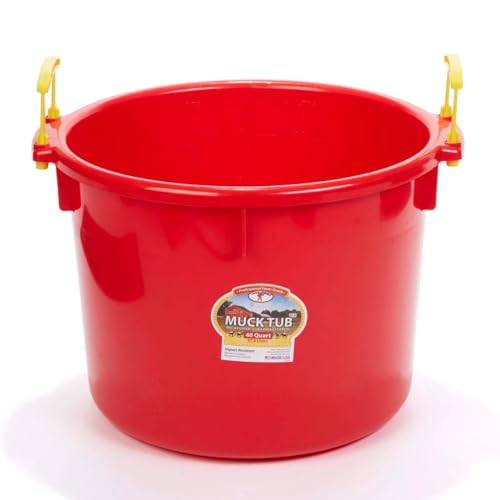
Start with a headcollar and lead rope, grooming kit, hoof pick, first aid kit, feed and forage plan, water buckets, and well-fitted tack. Line up a vet, farrier and dental technician before the horse arrives.
Handling and safety basics
You need a well-fitted headcollar and a strong lead rope from day one, plus a hard hat and gloves for yourself. Safe handling equipment keeps both of you out of trouble while you get to know each other.
Daily care kit
A grooming kit with brushes and a hoof pick lets you keep the coat and feet healthy and check the horse over daily. Add feed and water buckets, a mucking-out fork and skip, and storage that keeps feed dry and vermin-free.
Health and emergencies
Keep a stocked first aid kit and know your horse’s normal vital signs. Line up a vet, farrier and dental technician before the horse arrives, and sort insurance and a passport so you are covered from the start.
Feed, forage and turnout
Plan forage first, with good hay and a safe grazing area, and only add hard feed to suit the workload. Secure fencing, fresh water and shelter matter more than any gadget, so get the basics of the environment right.
Build up over time
Rugs, travel boots, spare tack and extras can wait until you know the horse and the season. Spend on safety, health and good forage first, and add the nice-to-haves as you learn what this particular horse needs.