Raising a German Shepherd puppy means feeding a large breed puppy formula for controlled growth, following your vet’s vaccination schedule, socialising heavily before 16 weeks, starting crate and house training right away, limiting hard exercise to protect growing joints, and teaching gentle bite control through patient daily training.
Bringing Your GSD Puppy Home
The first few days set the tone for everything that follows. German Shepherds are intelligent, sensitive, and bond quickly, so a calm and predictable start helps your puppy feel secure. Prepare the home before pickup, keep the first week quiet, and give your puppy a safe space to retreat to when tired.
Here is a simple arrival checklist to have ready on day one.
- A correctly sized crate with soft, washable bedding
- Stainless steel food and water bowls
- Large breed puppy food, ideally the same brand the breeder used
- A flat collar, a harness, and a lightweight lead
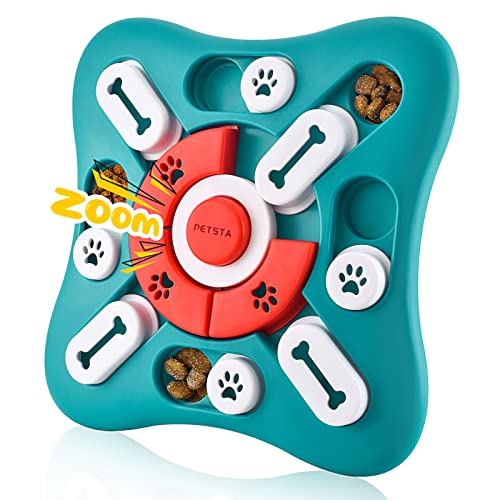
- Safe chew toys and a few enrichment puzzles
- Puppy pads or a clear path to the toilet area
- An enzyme cleaner for accidents
Introduce family members one at a time and avoid overwhelming visitors in the first 48 hours. Let your puppy explore at their own pace.
Feeding for Controlled Growth
German Shepherds are a large breed, so steady, controlled growth matters more than fast growth. Choose a food labelled for large breed puppies, because these formulas balance calcium, phosphorus, and energy to support bones and joints as they develop. Overfeeding or feeding a high calorie adult food too early can push the body to grow too fast, which raises the risk of joint problems.
- Feed three to four small meals a day while young, then reduce to two meals as your puppy matures.
- Measure portions with a cup or scale rather than guessing.
- Keep your puppy lean. You should feel the ribs easily without a thick fat layer.
- Provide fresh water at all times.
- Make any food changes gradually over a week to avoid stomach upset.
Ask your vet to confirm the right portion size and to advise on when to transition to adult food, usually around 12 to 18 months for this breed.
Vaccination and Vet Schedule Basics
Early veterinary care protects your puppy during the most vulnerable months. Book a first check up soon after homecoming so your vet can examine your puppy, set up a vaccination plan, and start parasite control. Core puppy vaccinations are typically given in a series of visits during the first months, followed by boosters.
- Attend every scheduled visit and keep the records safe.
- Discuss flea, tick, and worming treatment with your vet.
- Ask about microchipping and neutering timing for a large breed.
- Confirm with your vet when it is safe for your puppy to meet other dogs and walk in public.
Vaccination needs vary by region and lifestyle, so always rely on your vet for the exact schedule and any health specific guidance.
The Socialisation Window
The prime socialisation window closes around 16 weeks of age, and this period shapes your dog’s confidence for life. German Shepherds can become wary or reactive if they miss positive early experiences. While respecting your vet’s advice on disease risk, expose your puppy gently to many sights, sounds, surfaces, and people. Keep every experience positive and reward calm curiosity.
Aim to introduce car rides, household noises, friendly vaccinated dogs, different floor textures, and a variety of people in a controlled way. Never force your puppy into a situation that frightens them.
Crate and House Training Basics
A crate is a den, not a punishment. Used well, it speeds up house training and gives your puppy a calm place to rest. Make the crate cosy, feed meals near it, and build positive associations with treats and praise.
- Take your puppy outside after waking, after eating, after play, and before bed.
- Reward toileting in the right spot the moment it happens.
- Expect to wake for night toilet trips while your puppy is very young.
- Clean accidents with an enzyme cleaner so smells do not draw repeats.
- Never punish accidents, as this only creates fear and slows progress.
Exercise Limits for Growing Joints
Puppy joints and growth plates are soft and still forming, so too much hard exercise can cause lasting damage. A common rough guideline is a few minutes of structured walking per month of age, once or twice a day, alongside free play in a safe space. Avoid repetitive high impact activity such as long runs, jumping from heights, and stairs until your puppy is more mature.
Mental exercise tires a German Shepherd as much as physical activity, so use sniffing games, puzzle feeders, and short training sessions to keep the mind busy without stressing the body.
Early Training and Biting
Start training the day your puppy arrives, using short, positive, reward based sessions. German Shepherds learn fast and love having a job, so teach name response, sit, recall, and settle early. Puppy nipping and mouthing are normal, but you must redirect it gently and consistently.
- Redirect biting onto a chew toy every time teeth touch skin.
- End play calmly if biting becomes too rough, then resume after a pause.
- Reward gentle behaviour and quiet mouths with praise and treats.
- Keep sessions short and finish on a win.
Grooming Introduction
German Shepherds have a thick double coat that sheds heavily, so build grooming into the routine while your puppy is young and accepting. Brush a few times a week, more during shedding seasons, and check ears, teeth, and nails regularly. Introduce the brush, nail clippers, and bathing slowly and pair them with treats so your puppy stays relaxed.
Common Mistakes to Avoid
- Overfeeding or using adult food that fuels too fast growth.
- Skipping the socialisation window before 16 weeks.
- Over exercising and risking joint damage.
- Punishing toilet accidents or rough play instead of redirecting.
- Leaving a high energy breed bored, which leads to destructive habits.
- Delaying the first vet visit and the vaccination plan.
Raise your German Shepherd puppy with patience, structure, and plenty of positive experiences, and you will build a confident, well mannered adult dog. When in doubt about health, feeding, or vaccinations, your vet is the best source of advice.