The biggest German Shepherd training mistakes are being inconsistent, correcting too late or too harshly, skipping socialisation, giving freedom too soon, providing too little mental work, repeating cues, rewarding at the wrong moment, and never proofing behaviours. Fix each one with clear rules, calm reward based methods, early and ongoing exposure, gradual freedom, daily brain games, single clean cues, instant rewards, and practice in many places.
Why German Shepherds Need Careful Training
German Shepherds are intelligent, driven, and deeply bonded to their people. That same drive means they learn the wrong lessons just as quickly as the right ones. A handler who is unclear or inconsistent will create confusion in a dog that wants nothing more than to understand the job. The good news is that every common mistake has a straightforward fix rooted in positive, reward based methods. Below are the errors owners make most often, and how to correct your approach.
The Most Common Mistakes and Their Fixes
Read through each one honestly. Most owners are guilty of at least two or three, and tidying them up usually produces fast improvement.
- Inconsistency. Allowing the dog on the sofa one day and scolding it the next teaches nothing except that rules are random. Fix: agree clear house rules with everyone in the home, use the same cue word for each behaviour, and apply the rules every single time. A German Shepherd thrives on predictable structure.
- Late or harsh corrections. Punishing a dog seconds after the act, or using force and fear, damages trust and often makes behaviour worse. Fix: stop relying on corrections altogether. Manage the environment to prevent mistakes, then mark and reward the behaviour you do want. A confident, trusting Shepherd works far better than a worried one.
- Skipping socialisation. A Shepherd that never meets new people, dogs, surfaces, and sounds can grow fearful or reactive. Fix: from puppyhood, expose your dog to varied, positive experiences at a pace it can handle. Keep sessions short and pair new things with treats and praise. Continue gentle socialisation throughout the first two years.
- Too much freedom too soon. Giving a young dog the run of the house or off lead access before it has earned it invites chewing, escaping, and ignored recalls. Fix: expand freedom gradually as reliability grows. Use crates, baby gates, and long lines, then widen access step by step once the dog proves it can handle each level.
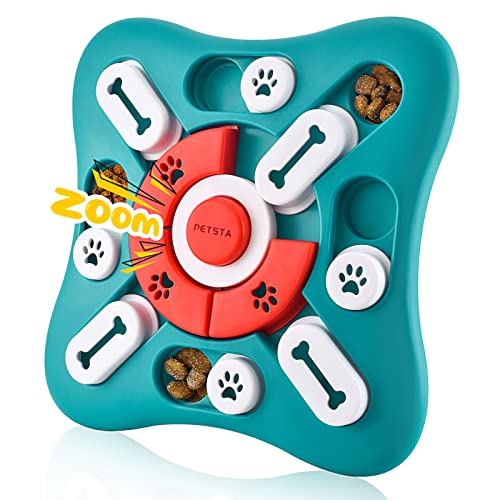
- Not enough mental stimulation. A bored Shepherd invents its own jobs, usually destructive ones. Fix: add daily brain work such as scent games, puzzle feeders, trick training, and short obedience drills. Ten focused minutes of thinking can tire a Shepherd more than a long walk.
- Repeating cues. Saying “sit, sit, sit” teaches the dog that the first cue is optional. Fix: give a cue once, then wait. If the dog does not respond, help it succeed with a lure or by lowering difficulty, then reward. Never nag the same word over and over.
- Poor timing of rewards. A treat delivered several seconds late rewards whatever the dog is doing at that moment, not the behaviour you wanted. Fix: use a marker such as a clicker or the word “yes” the instant the dog gets it right, then deliver the treat. The marker bridges the gap and makes your meaning crystal clear.
- Not proofing behaviours. A dog that sits perfectly in the kitchen may fall apart at the park. Fix: practise each behaviour in many places, with rising distraction, distance, and duration. A cue is only truly learned once the dog can perform it anywhere.
Building a Better Training Habit
Pick one mistake to focus on this week rather than overhauling everything at once. Keep sessions short, frequent, and upbeat, ending while your dog is still keen. Reward generously in the early stages and fade treats slowly as behaviours become reliable. Track small wins so you can see progress, and stay patient. German Shepherds reward consistent, kind handling with remarkable loyalty and skill.
When to Get Help
If your dog shows fear, aggression, or anxiety that does not improve, work with a qualified, reward based trainer or a veterinary behaviourist. Early professional support prevents small problems from hardening into serious ones, and protects the trusting bond that makes this breed such a joy to live with.