Bringing a new kitten home is an exciting time, but one of the most common questions new owners ask is: how long can kittens stay away from their mother? The short answer is that kittens should never be separated from their mother before 8 weeks of age, and the ideal window is between 12 and 14 weeks. This time is crucial for their immune system, social skills, and emotional health. Let’s walk through the timeline, what happens at each stage, and how you can make the transition smooth for everyone.
The First 8 Weeks: Why This Time Is Non-Negotiable
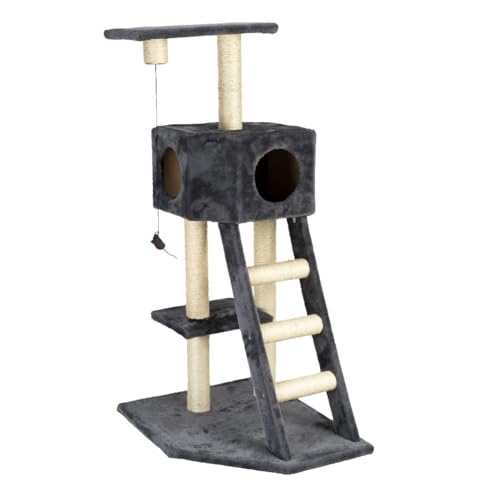
For the first eight weeks of life, a kitten’s mother is their entire world. She provides warmth, milk rich in antibodies, and teaches them how to use the litter box and groom. During this period, kittens also learn critical social cues from their mother and littermates, like how hard is too hard when playing and how to read body language. Separating a kitten before 8 weeks can lead to poor immune function, increased anxiety, and a higher risk of behavioral issues like inappropriate scratching or biting. If you’re worried about your furniture, a top 5 cat scratching posts can help redirect that energy later, but the foundation for good behavior starts with mom.
Weeks 8 to 12: The Socialization Sweet Spot
Between 8 and 12 weeks, kittens are at a prime age for learning and adapting to new environments. They are weaned, eating solid food reliably, and have received their first vaccinations. This is the most common time for kittens to go to new homes, and it’s generally safe. However, staying with mom a bit longer has major benefits. During weeks 10 to 12, mother cats continue to teach boundaries and manners. Kittens who stay until 12 weeks tend to be more confident, less fearful of new people and pets, and more resilient to stress. If you’re planning to introduce your kitten to a new home, having a calm environment is key, and a best calming diffuser kit can help ease the transition for both of you.
Kittens who stay with their mother until 12 to 14 weeks are less likely to develop separation anxiety later in life. That extra time with mom is like a security blanket for their developing brain.
Weeks 12 to 14: The Ideal Adoption Window
Many experienced breeders and shelters recommend waiting until kittens are 12 to 14 weeks old before they go to a new home. By this age, kittens have completed their first round of core vaccines, are fully weaned, and have strong immune systems thanks to maternal antibodies. They are also better at regulating their body temperature and using the litter box consistently. This extra time also allows them to learn important life skills from their mother, such as how to properly use a scratching post. If you want to set your kitten up for success, consider providing a best cat scratching barrel to satisfy their natural urge to scratch in a healthy way.
What Happens When Kittens Are Separated Too Early?
If a kitten is separated from its mother before 8 weeks, the consequences can be significant. These kittens may have weaker immune systems, making them more prone to illness. They often struggle with social skills, such as knowing how to play without biting too hard or how to read other cats’ signals. Early separation can also lead to what’s known as “single kitten syndrome,” where the cat becomes overly attached to their human and may develop destructive behaviors or anxiety when left alone. In some cases, they may suckle on blankets or other soft objects well into adulthood. While you can help these kittens with patience and training, it’s always better to let nature take its course.
“A kitten’s first 12 weeks with their mother are like the first 12 years of a child’s life, they shape everything that comes after.”
How to Prepare for Bringing a Kitten Home
Whether you’re adopting at 8 weeks or 14 weeks, preparation is key. Start by kitten-proofing your home: remove toxic plants, secure loose cords, and create a safe, quiet space for your new arrival. Set up a litter box in a low-traffic area and provide a cozy bed. Feeding is also important, kittens need a high-quality diet that supports their growth. If you’re concerned about hairballs as they grow, a cut indoor hairballs cat food can be a great choice to keep their digestive system healthy. And don’t forget about enrichment, a top 5 cat scratching posts can give them an appropriate outlet for their natural scratching instincts.
Special Considerations for Orphaned Kittens
If you find orphaned kittens, the situation is different. Newborn kittens (under 4 weeks) need round-the-clock care, including bottle feeding every 2 to 3 hours, stimulation to urinate and defecate, and a warm environment. They cannot regulate their own body temperature. If you’re caring for an orphan, consult a veterinarian immediately. For kittens over 4 weeks, you can begin introducing wet food, but they still need warmth and socialization. In these cases, the timeline for being away from their mother is forced, not chosen. Always work with a vet or a rescue organization to ensure the best outcome. If you need to transport an orphaned kitten safely, a best cat backpack carrier with bubble window can provide a secure, ventilated space for the trip.
If you have any concerns about a kitten’s health, especially if they were separated early or are orphaned, please ask your veterinarian for guidance. They can provide personalized advice on feeding, vaccinations, and developmental milestones.