Bringing home a new kitten is like adopting a tiny, furry tornado. One minute they are a purring lap warmer, the next they are scaling your bookshelf or attacking your shoelaces. That endless energy is not just cute, it is essential. Play is how kittens learn to hunt, socialize, and burn off steam. But if you have ever wondered, “How long should a kitten play per day?” you are not alone. The short answer is 30 to 60 minutes of active, interactive play each day, broken into several short sessions. Here is exactly how to make that work for both of you, without burning out.
Why Kittens Need Structured Play Every Day
Kittens are hardwired to hunt. In the wild, a cat would spend hours stalking, pouncing, and chasing prey. Your living room is their savanna. Without an outlet, that instinct turns into destructive behavior like clawing your sofa or biting your ankles. Structured play mimics the hunt and satisfies their deepest needs. It also tires them out, which leads to better sleep and fewer 3 a.m. zoomies. Plus, playtime is the fastest way to build trust. When you dangle a wand toy and let them “catch” it, you become their favorite playmate, not just the person who fills the food bowl.
The Magic Number: 30 to 60 Minutes, Split Into Sessions
Most kittens do best with a total of 30 to 60 minutes of active play per day. But here is the trick: kittens have short attention spans. A 10- to 15-minute session is perfect. Try for three to four sessions spread throughout the day, such as one in the morning, one after work, and one right before your bedtime. This matches their natural energy peaks and prevents overstimulation. A single long play session can leave them overtired and cranky, just like a toddler who missed a nap. Keep sessions short, end on a high note (let them catch the toy), and then offer a small treat or a meal to complete the “hunt, catch, eat, groom, sleep” cycle.
Best Types of Play for a Growing Kitten
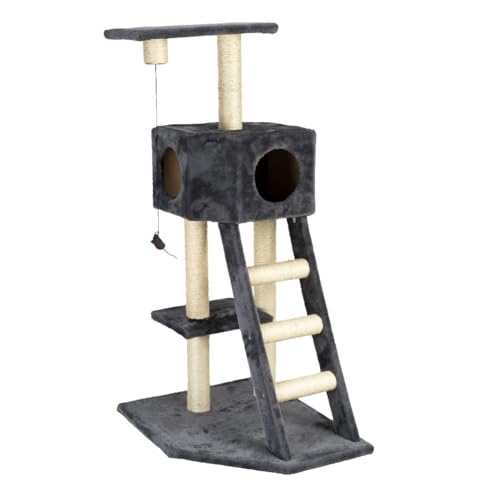
Not all play is equal. Solo toys like balls and crinkle tunnels are fine for independent exploration, but interactive play is where the real magic happens. Wand toys, feather teasers, and laser pointers (used carefully, never shine in their eyes) let you control the action. Mix in toys that let them stalk and pounce. A good cat scratching barrel also doubles as a play station, giving them a place to scratch, climb, and bat at dangling toys. Rotate their toys every few days to keep things fresh. And do not forget puzzle feeders: hiding a few freeze-dried turkey cat treats inside a treat ball turns snack time into a mental workout.
“A tired kitten is a well-behaved kitten. Play is not just fun, it is the foundation of a happy home.”
Signs Your Kitten Has Had Enough (or Needs More)
Kittens are bad at self-regulating. They will play until they drop, then crash hard. Watch for cues. If your kitten starts panting, lying down mid-chase, or swatting with flattened ears, it is time to stop. On the flip side, if they are biting your hands, attacking your feet, or yowling at night, they likely need more structured play. A common mistake is letting a kitten play with your hands or feet. That teaches them that human body parts are toys. Always redirect to a wand or a cat scratching post instead. If they still seem restless after a good session, try a calming diffuser to help them settle. You can find great options in our guide to the best calming diffuser kits.
A kitten’s brain is wired to learn through play until they are about one year old. Every pounce and chase strengthens their coordination and confidence. So yes, that epic leap onto the toy mouse is actually brain training.
How to Fit Play Into a Busy Schedule
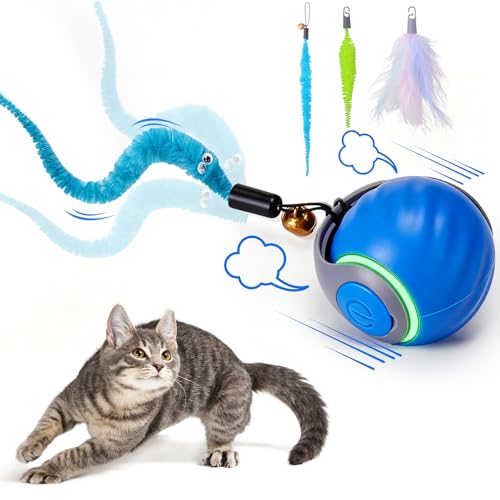
You do not need to be a stay-at-home pet parent to meet your kitten’s play needs. Two 10-minute sessions before and after work, plus a 15-minute session before bed, easily hits the 35-minute mark. If you work long hours, consider a buddy system: a second kitten can keep each other entertained (and save your furniture). Automated toys like motion-activated balls or laser toys can help, but they should never replace human interaction. For weekends, aim for longer sessions or take your kitten outside in a safe carrier. A cat backpack carrier with bubble window lets them watch the world safely and adds mental stimulation without extra effort from you.
Adjusting Play as Your Kitten Grows
From 8 weeks to about 6 months, kittens are at peak energy. Stick to the 30 to 60 minute rule. Between 6 and 12 months, they start to mellow slightly, but still need at least 20 to 30 minutes of active play daily. After their first birthday, most cats settle into 15 to 30 minutes of play per day. But every cat is different. High-energy breeds like Bengals or Siamese may need more, while laid-back Persians may need less. Watch your cat, not the clock. If they are still asking for play after a session, give them a few more minutes. If they walk away, they are done. And always, if you notice a sudden drop in energy or appetite, check with your vet to rule out health issues.