Bringing home a new puppy is exciting, but figuring out how often to fill their bowl can feel confusing. You want them to grow strong without overfeeding or underfeeding. The short answer: most puppies need 3 to 4 meals a day until about 6 months old, then you can drop to 2 or 3 meals. But the exact schedule depends on your puppy’s breed, size, and energy level. Let’s break it down by age and give you a practical plan that works for your household.
Why Puppies Need More Meals Than Adult Dogs
Puppies have tiny stomachs and high metabolisms. They burn through energy fast, and they need a steady supply of nutrients for proper bone and muscle development. Feeding them smaller, more frequent meals prevents blood sugar dips that can cause lethargy or even hypoglycemia in very small breeds. It also helps with digestion and reduces the risk of bloat, especially in deep-chested breeds. Think of it like fueling a race car: small, regular top-offs keep the engine running smoothly.
Feeding Schedule by Age: A Handy Guide
Here is a general timeline to follow, but always check with your vet for your specific puppy’s needs.
- 8 to 12 weeks old: Feed 4 meals a day. At this stage, puppies are weaning and need consistent nutrition. Space meals about 4 to 5 hours apart. For example, 7 a.m., 11 a.m., 3 p.m., and 7 p.m.
- 3 to 6 months old: Drop to 3 meals a day. Their stomachs are bigger, and they can hold more food at once. A typical schedule: 8 a.m., 12 p.m., and 6 p.m.
- 6 to 12 months old: Most puppies can transition to 2 meals a day. Small breeds may be ready earlier, while large breeds might need 3 meals until 9 or 12 months to support slower growth and prevent joint issues.
- Over 12 months: Switch to adult feeding, usually 2 meals a day. For giant breeds, some owners stick with 2 or 3 smaller meals to reduce bloat risk.
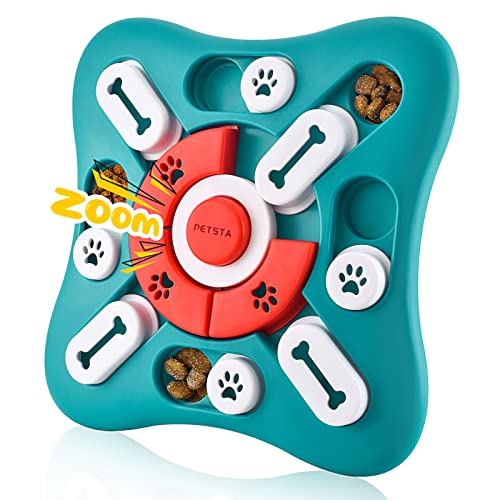
If you have a busy schedule, consider using a puzzle feeder or a slow feeder bowl for one of the meals. It turns eating into a game and helps with digestion. For active breeds like Staffies, a durable toy like those in the Staffy Dog Toys: KONG Extreme Compared guide can be stuffed with kibble and frozen for a longer, more engaging mealtime.
How Much Food Per Meal? Portion Control Matters
Feeding the right number of meals is only half the equation. You also need to know how much to give. Start with the feeding guide on your puppy’s food bag, but use it as a starting point, not a rule. Divide the total daily amount by the number of meals. For example, if the bag says 2 cups per day for a 4-month-old puppy, and you are feeding 3 meals, that is about 2/3 cup per meal. Monitor your puppy’s body condition: you should be able to feel their ribs without pressing hard, and they should have a visible waist. If they are getting too round, cut back a little. If they seem hungry all the time and are ribby, increase portions slightly. Always consult your vet if you are unsure.
Special Considerations for Small vs. Large Breeds
Breed size dramatically affects feeding frequency. Toy and small breeds (like Chihuahuas or Yorkies) have faster metabolisms and are prone to hypoglycemia, so they often need 4 small meals a day until 4 or 5 months old. Large and giant breeds (like Great Danes or Labradors) grow rapidly and are at risk for developmental bone diseases if overfed or fed too much calcium. They benefit from staying on 3 meals a day longer, sometimes up to 12 months, to keep growth steady and slow. For puppies with food sensitivities, like many Staffies, choosing the right food is crucial. Check out the 5 Best Dog Foods for Staffies Allergic to Chicken and Beef for options that support healthy growth without upset tummies.
How to Transition Between Meal Frequencies
When you drop from 4 meals to 3, or from 3 to 2, do it gradually over a week. For example, if you are moving from 4 to 3 meals, start by combining the second and third meals into one larger midday meal. Then, over a few days, adjust the timing so the three meals are evenly spaced. Watch for signs of hunger like whining or gulping water. If your puppy seems too hungry, you might be cutting meals too early. Some puppies do better with a small bedtime snack (a tablespoon of kibble) even after dropping to 2 meals, especially if they are restless at night. That snack can be given in a crate to help with settling, and a Find the Best Dog Crate for Your Staffy: Top Picks for Every Budget can make that routine comfortable and secure.
“Feeding your puppy on a consistent schedule is one of the best gifts you can give their digestion and your sanity. A predictable bowl means a predictable potty break.”
Common Mistakes to Avoid
One big mistake is free-feeding, leaving food out all day. This makes it hard to track how much your puppy actually eats and can lead to obesity or picky eating. Another is switching foods too quickly, which causes diarrhea. Always transition over 5 to 7 days by mixing old and new food. Also, avoid feeding your puppy table scraps or human food, as it can upset their stomach and teach bad habits. If your puppy skips a meal, do not panic. Offer the food again at the next scheduled meal. If they skip two meals in a row or show other signs like vomiting or lethargy, call your vet. For active breeds that need mental stimulation during meals, a durable leash for walks can also help burn off energy before feeding. Check the The best dog leash for Staffy, Compared guide for options that give you control during post-meal potty walks.
When to Call Your Vet
While this guide covers general healthy puppies, every pup is different. If your puppy is not gaining weight, has diarrhea, vomits after meals, or seems overly lethargic, schedule a vet visit. Also, if your puppy is a very small breed (under 5 pounds as an adult) or a giant breed (over 70 pounds), your vet may recommend a more tailored schedule. Puppies with health conditions like diabetes or kidney issues need specific feeding plans. Always trust your gut and your vet over any online advice.