As a veterinarian, one of the most useful things I can tell a prospective Basenji owner is that this is not a low energy lapdog despite its compact size and quiet nature. The Basenji is an ancient hunting hound from Central Africa, built lean and athletic for speed and stamina. That heritage shows up every day in a dog that loves to run, climb, chase, and explore, and that needs a real outlet for all of it.
The flip side is that a well exercised Basenji is a wonderfully clean, calm, and undemanding housemate. Meet their physical and mental needs and they will happily curl up and relax for the rest of the day. Skip those needs and you get a restless, mischievous escape artist. In this guide I will explain exactly how much exercise a Basenji needs, how to structure it, and how to keep your dog safe while doing it.
What You Will Need
Exercising a Basenji safely takes very little gear, but a few essentials make a big difference given this breed’s prey drive and cleverness.
- A secure, well fitted harness or collar with identification
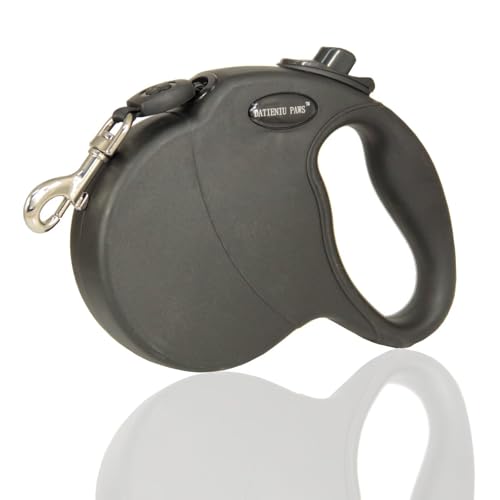
- A sturdy standard leash, since retractable leads give too little control
- Access to a securely fenced area for off leash running
- Puzzle toys and treat dispensers for mental enrichment
- Fresh water for before and after activity, especially in warm weather
- Awareness of the weather, since Basenjis overheat easily in heat and dislike cold and rain
- A consistent daily routine of two or more activity sessions
Step by Step: How to Exercise a Basenji
Here is a simple framework for meeting an adult Basenji’s daily needs. Aim for at least an hour of activity total, divided into sessions, and always include something for the mind as well as the body.
Start with a brisk morning walk
Begin the day with a 20 to 30 minute brisk walk on leash. This burns energy, provides sniffing and exploration, and sets a calm tone for the day. Keep a firm grip, as Basenjis may lunge at small animals.
Add active play or running
Include a session of running or fast play in a securely fenced space. Basenjis love to sprint, chase toys, and weave around obstacles. This high intensity burst satisfies their sighthound need for speed.
Work the mind with enrichment
Offer puzzle feeders, scent games, or short training sessions. Basenjis are intelligent and quickly bored, so mental challenges tire them as effectively as physical exercise and reduce unwanted behavior.
Finish with an evening walk
A second walk later in the day, around 20 to 30 minutes, tops up their needs and helps them settle for the night. Splitting exercise across the day works better than one long session.
Adjust for age and weather
Give puppies short, gentle activity and seniors a gentler pace. In hot weather, exercise in the cool of morning or evening and keep sessions shorter, since Basenjis are prone to overheating.
Common Mistakes to Avoid
Owners also sometimes assume a quiet, clean dog must be low energy and cut exercise short. A Basenji that is not given enough activity will create its own, often through chewing, digging, climbing, or escaping. Under-exercise is one of the leading causes of behavior problems I hear about in this breed.
Tips for Success
A few breed specific pointers help here. Basenjis often dislike rain and cold, so have indoor enrichment options ready for bad weather days. Use their love of the chase by playing structured games like fetch or flirt pole sessions in a fenced yard. And remember that consistency matters more than intensity, so a reliable daily routine serves your dog better than occasional bursts of heavy activity.
When to Get Professional Help
Exercise is healthy, but watch for signs that something is wrong. Contact your veterinarian if your Basenji tires unusually quickly, limps, seems reluctant to move, breathes with difficulty during mild activity, or shows signs of overheating such as heavy panting, drooling, weakness, or collapse, which is a medical emergency.
Your vet can confirm how much exercise is appropriate for your dog’s age and health, especially for puppies whose joints are still developing and for seniors with stiffness or arthritis. A qualified trainer or behaviorist can also help if your dog’s energy is leading to escaping or destructive habits. If your dog ever eats something dangerous while out exploring, contact your vet or the ASPCA Animal Poison Control Center at 888-426-4435.
Safety note: Always exercise your Basenji on leash or within a secure fence and avoid the heat of the day, since this breed’s strong prey drive and tendency to overheat can quickly turn a fun outing into an emergency.