As a certified dog trainer, the single most common reason I am called in to help with a Border Collie is not aggression or poor obedience. It is a bored, under-stimulated dog whose owners genuinely love it but did not realize what they were signing up for. This breed was developed to work sheep across open country for hours, making rapid decisions on its own, and that drive does not switch off just because the dog now lives in a house. Exercise for a Border Collie is not a luxury or an afterthought. It is the foundation of a calm, well-behaved companion.
In this guide I will give you realistic, age-appropriate numbers for how much your Border Collie needs, but I also want to reframe the question. The amount of physical exercise matters, but for this breed the mental side is at least as important. A dog that has run for an hour but never had to think is still a dog with a busy, unsatisfied brain. Let me show you how to meet both needs without burning yourself out.
What You Will Need
You do not need an enormous budget or a farm to keep a Border Collie satisfied, but a few staples make daily life far easier. The goal is to have options for both physical exertion and mental work so you can adapt to weather, time, and your dog’s age.
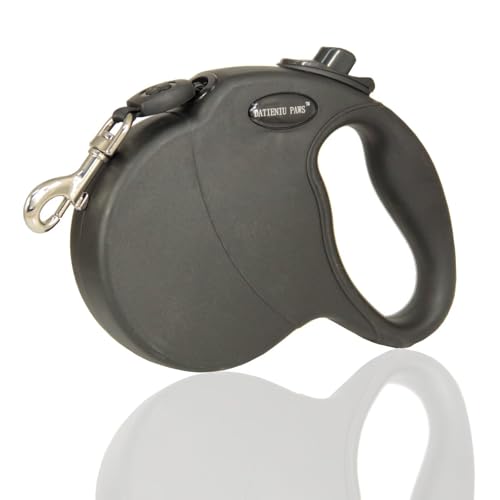
- A secure, well-fitted harness and a standard leash, plus a long line for safe open-space recall practice
- A couple of fetch or tug toys for short bursts of physical play
- Food puzzle toys and slow feeders to make mealtimes mentally engaging
- A snuffle mat or scatter-feeding setup for low-impact nose work
- Treats your dog values for short training sessions through the day
- Access to a safe space to run, whether a secure yard, a fenced field, or a quiet trail
Step by Step: How to Exercise a Border Collie
A good Border Collie routine layers different types of activity rather than relying on one long walk. Here is the daily structure I recommend to most owners of a healthy adult dog, which you can spread across morning and evening.
Start with a real walk
Begin the day with a brisk thirty to forty-five minute walk that lets your dog sniff and explore. Sniffing is mentally tiring in a good way, so resist rushing it.
Add a burst of vigorous activity
Once warmed up, include faster work such as fetch, recall games on a long line, or running in a secure space. Keep ball chasing in moderation rather than as the entire session.
Work the brain with training
Spend ten to fifteen minutes on obedience, tricks, or a new skill. Border Collies love learning, and short focused sessions tire them more than you might expect.
Provide an enrichment task
Use a puzzle feeder, snuffle mat, or scatter-fed meal so your dog has to problem-solve for food. This is ideal on busy days or in bad weather.
Build in genuine rest
Teach a settle routine and protect nap time in a calm space. A Border Collie that never learns to switch off becomes wired, so rest is part of the plan, not the opposite of it.
Common Mistakes to Avoid
The way owners exercise this breed often backfires, usually by accidentally creating an athlete who can never relax or by overdoing it with a young dog whose body is not ready.
Tips for Success
Once you understand that this breed needs a job, exercise becomes far more enjoyable for both of you. The most content Border Collies I know are not the ones who run the most miles. They are the ones whose owners give them variety and purpose.
When to Get Professional Help
Exercise solves a great deal, but it is not a cure for everything, and there are times to bring in a professional. If your Border Collie shows persistent anxiety, compulsive behaviors such as relentless spinning, tail chasing, or shadow and light fixation, or destructive behavior that does not ease with more structured activity and mental work, talk to a qualified trainer or veterinary behaviorist. These patterns can become ingrained and sometimes need a tailored plan rather than simply more exercise.
You should also speak with your veterinarian before starting a more demanding routine, especially with a puppy, a senior dog, or any dog that tires unusually quickly, limps, coughs, or seems reluctant to move. Sudden changes in stamina or new stiffness can signal an underlying joint or health issue, and your vet can confirm what level of activity is safe for your individual dog.
Safety note: Avoid forced running and repetitive jumping in growing puppies and always check with your veterinarian before increasing exercise in young, senior, or unwell dogs.