As a trainer who has worked with terriers for years, I can tell you that the Border Terrier is one of the most under-estimated dogs when it comes to exercise needs. People see a small, scruffy, friendly little dog and assume it is happy with a stroll around the block. Then they call me a few months later because the dog is barking at everything, digging up the garden, and shredding cushions. Almost every time, the real problem is simple. The dog is bored and physically under-worked.
Border Terriers were bred to keep up with hunt horses across open country and then go to ground after foxes. That is a job that demands stamina, drive, and a working brain. Even the modern pet Border Terrier carries that engine inside a small frame. The good news is that meeting their needs is very achievable for a normal busy household. You just have to be intentional about it. Below I will walk you through how much they need, exactly how to structure it, the mistakes I see most often, and when to involve your vet.
What You Will Need
Before you build a routine, gather a few basics. The right gear makes the difference between a frustrating walk and a genuinely tiring one. Because Border Terriers have a strong instinct to chase and dig, secure equipment is not optional.
- A well-fitted harness or flat collar that cannot slip over the head
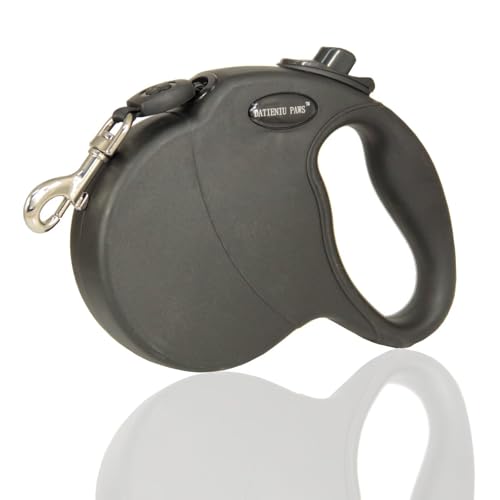
- A standard lead plus a long training line (5 to 10 metres) for safe recall work
- A few high-value treats for recall and scent games
- A snuffle mat or scatter-feeding option for mental tiring on rainy days
- Water and a collapsible bowl for longer outings in warm weather
- A reflective or light-up accessory for early morning and evening walks
- A towel for the muddy reality of owning a terrier
Step by Step: How to Exercise a Border Terrier
Here is a realistic daily structure for a healthy adult. The goal is roughly 60 to 90 minutes total, mixing physical and mental work. Spread it out rather than doing it all in one block.
Start with a purposeful morning walk
Begin the day with a brisk 30 to 40 minute walk. Keep the pace up so it is real exercise, not a sniff-every-blade-of-grass amble. Allow some sniffing time at the end as a reward.
Add off-lead or long-line running
A few times a week, find a secure field or use a long line so your terrier can run, change direction, and burn energy at speed. Ten minutes of hard running often tires them more than an hour of plodding.
Work the brain with scent and training
Spend 10 to 15 minutes on scatter feeding, hide-and-seek with treats, or short training drills. Mental effort genuinely tires this breed and reduces problem behaviour.
Provide an evening walk and wind-down
A second 20 to 30 minute walk in the late afternoon or evening helps your dog settle overnight. Finish calm, not hyped up, so the dog can switch off.
Allow safe digging and chewing outlets
Give a sanctioned digging spot or a dig box, plus appropriate chews. Channelling natural terrier behaviour into allowed outlets protects your garden and furniture.
Common Mistakes to Avoid
Most exercise problems I see are not about laziness. They are about doing the wrong kind of activity, or pushing a young dog too hard. Watch for these.
Other frequent errors include relying only on slow lead walks (mentally boring for a working breed), skipping all brain games, and letting a Border Terrier off-lead near livestock or wildlife before recall is rock solid. Their prey drive is real and a chasing terrier will not hear you calling.
Tips for Success
Pay attention to weather too. Border Terriers have a weatherproof coat and cope with cold well, but like any dog they can overheat in summer. On hot days, walk early or late, carry water, and shift more of the effort to indoor scent and training games.
When to Get Professional Help
Exercise needs are individual, and several situations call for expert input rather than guesswork. Reach out to your vet if your dog seems unable to handle normal activity, or to a qualified trainer or behaviourist if problem behaviours persist despite a good routine.
- Your dog tires very quickly, coughs, or seems short of breath on normal walks
- You notice limping, stiffness, or reluctance to jump or climb
- Your terrier is gaining weight despite a steady exercise routine
- Destructive or anxious behaviour continues even with daily physical and mental work
- You are unsure how much exercise is safe for a puppy, senior, or recovering dog
A quick veterinary check rules out pain or an underlying health issue before you assume a behaviour is just stubbornness. Many dogs labelled lazy or hyper are actually telling us something about their health.
Safety note: Always build up distance and intensity gradually, protect growing puppies and senior dogs from overexertion, and check with your vet before starting a new exercise programme if your Border Terrier has any health concerns.