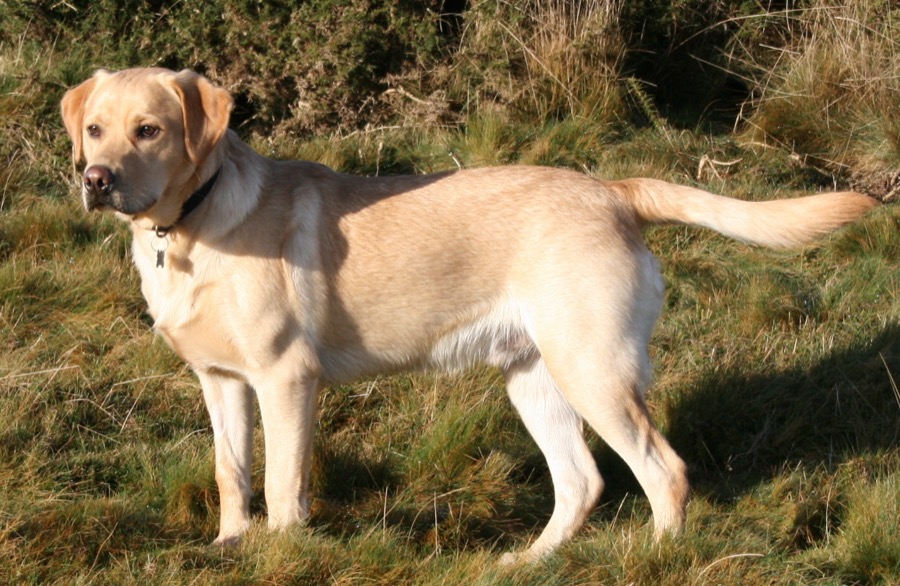
As a veterinarian, one of the most common reasons I see well-meaning Double Doodle owners struggling is mismatched exercise. This is a hybrid built from Poodle and retriever lines, both of which are working, athletic breeds, so the dog in front of you is usually smarter and more energetic than people expect from a fluffy family pet. Get the activity right and you have a calm, affectionate companion. Get it wrong and that same dog turns the living room into a chew toy.
The honest answer to how much exercise a Double Doodle needs is that it depends on age, health, and which parent lines dominate, but most adults land in a clear range. In this guide I will give you practical numbers, explain the difference between physical and mental exercise, flag the special rules for puppies, and show you the warning signs that your dog needs more (or sometimes less) activity.
What You Will Need
A good exercise routine does not require fancy gear, but a few basics make it safer and more effective for an active, intelligent dog.
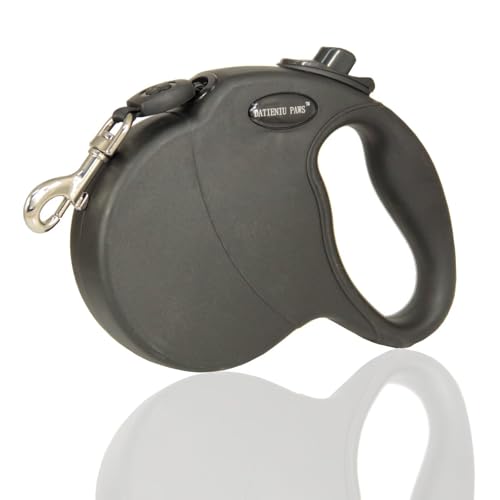
- A well-fitted harness and a standard 6-foot leash for controlled walks
- A long-line lead for safe off-leash style running in open areas
- A fetch toy, ball launcher, or flirt pole for fast energy burning
- Puzzle feeders and chew toys for mental enrichment
- Fresh water for before and after activity
- A few high-value treats for training games on walks
Step by Step: How to Exercise a Double Doodle
Build a daily routine that covers body and brain. The plan below suits a healthy adult and can be scaled down for puppies and seniors.
Start with a morning walk
Begin the day with a brisk 20 to 30 minute walk. This takes the edge off before you leave for work and sets a calm tone for the morning.
Add an off-leash burst
In a secure yard or fenced area, use fetch or a flirt pole for 10 to 20 minutes of harder running. Sprinting drains energy faster than steady walking.
Work the brain daily
Spend 10 to 15 minutes on training, scent games, or a puzzle feeder. Mental effort tires an intelligent dog as much as a long walk does.
Take an evening walk or play session
Round out the day with another 20 to 30 minutes of walking or play. This prevents the late-evening zoomies that come from pent-up energy.
Cool down and rehydrate
Offer water, check the paws for cuts or hot pavement burns, and let your dog rest. Recovery is part of a healthy routine, not an afterthought.
Common Mistakes to Avoid
A surprising number of behavior and joint problems come from how owners exercise this breed rather than how much.
Tips for Success
These habits keep your Double Doodle fit, happy, and easy to live with over the long term.
When to Get Professional Help
Most exercise needs are simple to meet at home, but some signs mean you should involve your veterinarian or a qualified trainer.
- Your dog tires very quickly, coughs, or struggles to breathe during light activity
- You notice limping, stiffness, or reluctance to climb stairs or jump
- Behavior problems persist even with a full daily exercise routine
- Your dog is overweight and you need a safe, structured activity plan
- A puppy or senior needs an age-appropriate plan to protect the joints
- Sudden changes in energy, appetite, or stamina appear without an obvious cause
Exercise should make your dog more settled, not more frantic, over time. If you are doing everything right and your dog is still anxious or destructive, a veterinary check rules out pain or a medical cause before you assume it is purely behavioral. Your vet can also confirm when a young Double Doodle is ready for higher-impact activity.
Safety note: Limit high-impact running and jumping in Double Doodle puppies until your veterinarian confirms the growth plates have closed, usually somewhere around 12 to 18 months depending on size.