As a vet who works with large and giant breeds, I get the Newfoundland exercise question constantly, and it usually comes from a worried owner who assumes a dog this big must need hours of activity. The truth is almost the opposite. Newfoundlands are powerful, athletic dogs, but they are also heavy, heat-sensitive, and prone to joint and heart issues, which means the goal is steady, sensible movement rather than intensity. A well-exercised Newfie is one that stays lean and mobile, not one that is pushed to exhaustion.
In the exam room I see two extremes. Some Newfoundlands are under-exercised and gain weight that grinds down their hips and elbows. Others are over-exercised by enthusiastic owners who jog them in summer heat or take them up and down stairs as puppies. Both paths cause harm. This guide walks you through how much movement this breed truly needs, how to do it safely, and the warning signs that mean it is time to back off or call your vet.
What You Will Need
Before you build an exercise routine for a Newfoundland, gather a few basics. The right gear protects their joints, keeps them cool, and makes calm, controlled activity easier for a dog that can outweigh many of their walking companions.
- A wide, padded harness that spreads pressure across the chest instead of the throat
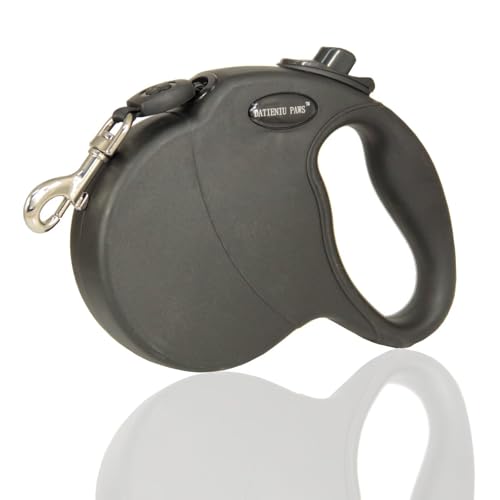
- A sturdy 4 to 6 foot leash for controlled walks (avoid retractable leashes with giant breeds)
- Fresh water and a collapsible bowl for every outing
- Access to shade, early morning or evening timing, or a cool indoor space
- A safe place to swim, such as a calm lake, a dog-friendly pool, or a shallow water entry
- A non-slip surface at home to protect joints (rugs or runners over hardwood)
- A body-condition check from your vet so you know whether your dog is at a healthy weight
Step by Step: How to Exercise a Newfoundland a dog
A Newfoundland thrives on a predictable, moderate routine. The aim is roughly 30 to 60 minutes of activity per day for a healthy adult, broken into manageable pieces and adjusted for weather and age.
Start with a calm warm-up
Begin with a slow 5 minute walk to loosen the joints. Giant breeds carry a lot of weight, and a gentle start reduces strain on the hips and elbows before any faster movement.
Walk at a steady, moderate pace
Aim for two walks of 15 to 30 minutes on softer surfaces like grass or dirt trails when possible. Let your dog set a comfortable rhythm rather than pushing for speed.
Add swimming when you can
Swimming is the ideal Newfoundland workout. It builds muscle and burns energy with almost no joint impact. Always supervise, enter water gradually, and rinse the coat afterward.
Include gentle mental work
Scent games, basic obedience, and cart or pull work for trained adults engage the brain. A few minutes of training tires a Newfie surprisingly well without physical stress.
Cool down and check the body
Finish with a slow walk, offer water, and run your hands over the legs. Watch for limping, stiffness, or heavy panting that lingers, and rest the next day if you see any.
Common Mistakes to Avoid
Most exercise injuries I treat in Newfoundlands come from good intentions applied the wrong way. These are the errors that put the breed at the highest risk.
Tips for Success
The owners who get this right keep things consistent, cool, and low-impact. A few simple habits make a lasting difference for this breed.
When to Get Professional Help
Newfoundlands hide discomfort well, so subtle changes during or after exercise matter. Your vet should be your partner in setting limits, especially for puppies, seniors, and any dog with a known heart or joint issue.
Call your veterinarian if you notice persistent limping, stiffness that does not ease with rest, reluctance to move, or a sudden drop in stamina. Heavy panting, drooling, weakness, or collapse during activity can signal heat stress or a heart problem and warrant urgent care. If you are unsure whether your individual dog can handle a given routine, a checkup and body-condition assessment will give you a safe, personalized plan. For any suspected poisoning during outdoor activity, the ASPCA Animal Poison Control Center can be reached at 888-426-4435.
Safety note: Always tailor exercise to your individual Newfoundland’s age, weight, and health, and stop immediately at the first sign of overheating, limping, or fatigue.