You stand in the pet food aisle, can in hand, squinting at the feeding chart. It says something like “feed 1 can per 10 pounds,” but your dog is a mix of energy, age, and personality that no label can fully capture. Wet food is fantastic for hydration, picky eaters, and dogs with dental issues, but getting the portion right is the key to keeping them at a healthy weight. Let’s break it down so you can feel good about every meal.
Start With the Can Label, Then Adjust
Every reputable brand prints a feeding guideline on the side of the can. That is your starting point, not the final word. Most recommend feeding about 1 ounce of wet food per pound of body weight per day, but this varies by calorie density. For example, a standard 13-ounce can might suggest feeding a 50-pound dog the whole can daily, split into two meals. But if your dog is a couch potato, that could be too much. If they run five miles with you, it might be too little. Use the label as a baseline, then watch your dog’s body condition. You should be able to feel their ribs without pressing hard, and see a visible waist from above. If you are unsure, an easy way to control portions is using a raised bowl designed for large breeds to help with digestion and neck comfort, especially for bigger dogs.
Wet Food Only vs. Mixed Feeding
If you are feeding only wet food, the math is straightforward. A typical 13-ounce can of wet food contains about 400 to 500 calories. A 30-pound dog needs roughly 600 to 800 calories per day, so they would eat about 1.5 to 2 cans daily. But many owners prefer mixing wet and dry food for the best of both worlds: crunch for dental health and moisture for hydration. When mixing, reduce the dry food by about one-quarter cup for every 3 ounces of wet food you add. For example, if your dog normally eats 2 cups of kibble, give 1.5 cups of kibble plus half a can of wet food. This keeps total calories in check. If you have a high-energy breed like an Australian Shepherd, you might need to adjust portions upward. Check out our guide on best dog foods for Australian Shepherds for breed-specific calorie tips.
Wet food is about 75 to 85 percent water, which is great for dogs who don’t drink enough. But that also means the food is less calorie-dense than dry kibble. If you switch from dry to wet, your dog may need a larger volume of food to get the same calories. Always check the calorie count per can, not just the weight.
Adjusting for Puppies, Seniors, and Activity Levels
Puppies need more calories per pound than adult dogs because they are growing. For a puppy, feed about 1.5 to 2 times the adult portion for their current weight, split into three or four meals until six months old. Senior dogs often need fewer calories because they are less active, but they benefit from the extra moisture in wet food for kidney health. If your dog is a working breed or highly active, like a Cane Corso that gets daily exercise, you may need to increase portions by 20 to 30 percent. For a breed like the Cane Corso, large-breed-specific nutrition matters a lot. You can read more about their temperament and needs in our article Are Cane Corsos Good Family Dogs to understand how their energy level affects feeding.
Using a Calorie Calculator for Precision
For the most accurate portion, use a simple formula. A dog’s resting energy requirement (RER) is about 70 times their body weight in kilograms to the 0.75 power. But you don’t need a math degree. A quick rule is: most adult dogs need 20 to 30 calories per pound of body weight per day. A 40-pound dog needs 800 to 1,200 calories. If your wet food has 400 calories per can, that is 2 to 3 cans daily. But always check the can’s calorie statement. Many premium brands now list calories per can or per kilogram. If you are feeding a breed prone to weight gain, like an Australian Shepherd, slow feeding can help. Consider using slow feed dog bowls for Australian Shepherds to prevent gulping and promote better digestion.
“The best feeding routine is the one you can stick to consistently, with portions that keep your dog lean and happy.”
Signs You Are Overfeeding or Underfeeding
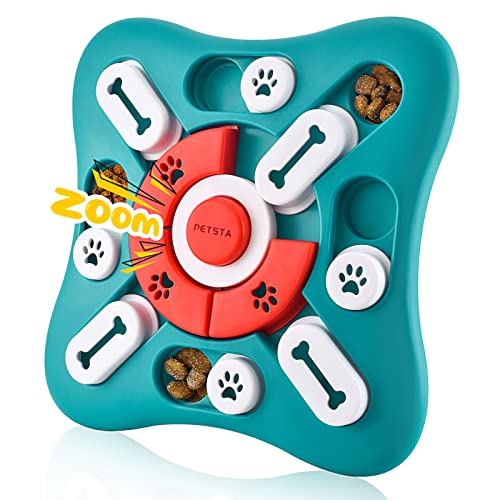
Your dog will tell you if the portions are off. Overfeeding signs: no visible waist, ribs are hard to feel, they leave food in the bowl, or they gain weight quickly. Underfeeding signs: ribs are too visible, they act hungry after meals, they lose weight, or their coat looks dull. If you notice either, adjust by 10 to 15 percent and reassess after two weeks. Wet food spoils quickly once opened, so refrigerate leftovers and use within three days. Never leave wet food out for more than two hours. If your dog is a picky eater, mixing wet food with a topper or puzzle toy can make mealtime more engaging. For smart breeds like Australian Shepherds, check out puzzle toys for Australian Shepherds to combine mental stimulation with feeding.
Special Considerations for Large and Giant Breeds
Large breeds like Cane Corsos have slower metabolisms and are prone to bloat, a life-threatening condition. Feed them two or three smaller meals per day instead of one large one, and avoid exercise for an hour after eating. The portion for a 100-pound Cane Corso might be 3 to 4 cans of wet food daily, but that can vary widely by brand. Always consult your vet for a tailored plan, especially for giant breeds. For a high-protein diet that supports muscle mass, see our list of 5 best dog foods for Cane Corsos which includes wet and dry options.
These guidelines are general. Every dog is unique. Always consult your veterinarian before making significant changes to your dog’s diet, especially if they have health conditions like diabetes, kidney disease, or obesity. Your vet can help you calculate exact calorie needs based on your dog’s specific metabolism.