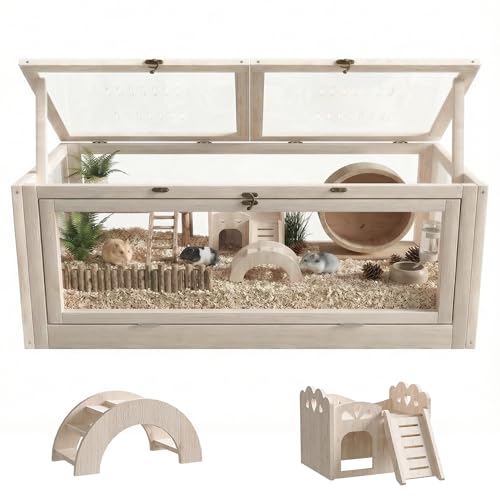
You love your hamster, and you want their home to be both clean and comfortable. But when it comes to bedding, how often is too often? Change it too much, and you stress them out; wait too long, and the cage gets smelly and unhealthy. The sweet spot is a mix of daily spot-cleaning and a full bedding swap every 1 to 2 weeks. Let’s get into the specifics so you can keep your little buddy happy and healthy without overdoing it.
Why Bedding Changes Matter More Than You Think
Hamsters are burrowers by nature. They dig, tunnel, and nest in their bedding to feel safe. But that same bedding absorbs urine and droppings, which quickly break down into ammonia. High ammonia levels can cause respiratory infections, skin irritation, and stress. A good rule of thumb: if you can smell the cage from across the room, it’s past time for a change. For the best materials that balance odor control and comfort, check out our guide to the Top 5 Hamster Bedding options that make cleanup easier.
Daily Spot-Cleaning: Your First Line of Defense
Every day, take two minutes to remove soiled bedding. Look for wet patches around the water bottle, soiled corners, and any food stashes that are starting to rot. Use a small scoop or gloved hand to remove the damp or dirty clumps. Replace that spot with fresh bedding of the same type. This daily habit extends the time between full changes and keeps ammonia levels low. It also lets you check for signs of illness, like diarrhea or a wet tail (a serious condition that needs a vet visit).
Full Bedding Changes: Every 1 to 2 Weeks
This is the big question. For most hamsters using paper-based bedding (like Carefresh or Kaytee Clean & Cozy), a full change every 7 to 10 days works well. If you use aspen wood shavings, which are more absorbent, you can stretch it to 10 to 14 days. Avoid pine or cedar shavings, as their oils can harm your hamster’s respiratory system. When you do a full change, remove everything, scrub the cage bottom with a pet-safe cleaner (like diluted white vinegar), rinse well, and let it dry completely. Then add 4 to 6 inches of fresh bedding so your hamster can still burrow deeply.
“A clean cage is a happy cage, but a too-clean cage is a stressed hamster. Always leave a handful of old bedding mixed in with the new so they still smell like home.”
How Bedding Type Affects Change Frequency
Not all beddings are created equal. Paper bedding is soft, dust-free, and great for burrowing, but it holds odor a bit faster. Wood shavings (aspen only) are more absorbent and can go longer between changes, but they’re less soft. Hemp or flax bedding is another option that’s highly absorbent and low-dust, lasting up to two weeks. If you use a mix, like a paper base with a layer of aspen on top, you can often stretch changes by a few days. The key is to watch your hamster: if they start sneezing or scratching more, switch to a dust-free paper option.
The Role of Cage Size and Hamster Breed
Bigger cages stay cleaner longer. A 40-gallon tank or a large bin cage with 600+ square inches of floor space will need less frequent full changes than a tiny critter trail. Why? More bedding volume dilutes the waste. Also, Syrian hamsters produce more waste than dwarf hamsters, so you may need to change bedding a day or two earlier for a Syrian. If you have multiple hamsters (which is not recommended for most species due to fighting), you’ll need changes every 5 to 7 days.
How to Do a Full Change Without Stressing Your Hamster
Hamsters rely on their scent to feel safe. A complete bedding swap wipes out their territory, which can be stressful. Here’s the trick: when you do a full change, save a handful of the old bedding that isn’t soiled (like from their nest or a clean tunnel) and mix it into the new bedding. This leaves their familiar scent. Also, move your hamster to a safe temporary carrier (like a small travel cage with a hide and water) while you clean. For extra comfort, add one of their favorite hamster hides back first so they have a safe spot to retreat to when they return.
In the wild, hamsters don’t change their bedding at all. They just move to a new burrow. That’s why leaving a bit of old bedding is so important: it tricks their brain into thinking they’re still in their established territory.
Signs It’s Time for a Change (Even If It’s Early)
Sometimes you need to change bedding before your usual schedule. Watch for these red flags: a strong ammonia smell, visible mold or mildew, your hamster sneezing or rubbing its nose, or wet bedding that’s matted down. If you notice any of these, do a spot-clean immediately and consider a full change the next day. Also, if your hamster starts ignoring their hamster wheel or other toys, it could be a sign that the environment is too dirty or stressful.
What About Accessories Like Hides and Wheels?
Bedding isn’t the only thing that needs cleaning. Hides, wheels, and water dispensers should be washed weekly with hot water and a mild soap (rinse well). A dirty water bottle can grow bacteria that makes your hamster sick. For the best gear that’s easy to clean, check out our picks for Top 5 Hamster Accessories that include chew-proof, washable items. And don’t forget enrichment: adding new tunnels or chew blocks can distract your hamster while you clean their cage.
Remember, every hamster is a little different. Some are messy diggers, others are tidy. Pay attention to your pet’s habits and adjust your schedule accordingly. If you ever notice unusual behavior or health issues, ask your vet for personalized advice. A clean cage is part of a happy life, but so is a little bit of their own scent.