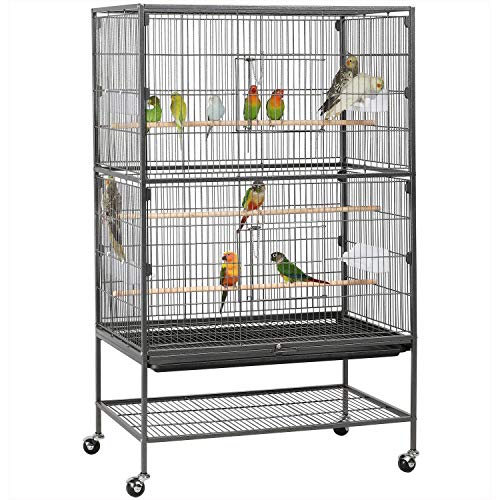
If you’re a parakeet parent, you already know these little birds are full of personality, charm, and surprisingly messy habits. One of the most common questions we hear is, “How often should I change my parakeet’s water?” The short answer: at least once a day, every single day. But there’s more to it than just swapping the bowl. Let’s dive into why daily changes matter, how to spot when your bird’s water needs an extra refresh, and how to make this simple task a seamless part of your routine.
Why Daily Water Changes Are Non-Negotiable
Parakeets are naturally curious and playful, and they often treat their water bowl like a bathtub, a toy, or even a trash can. Seeds, feathers, and droppings can quickly contaminate the water. Stagnant water becomes a breeding ground for bacteria, algae, and fungi, which can lead to digestive issues or infections. Even if the water looks clear, microscopic organisms can multiply within hours. That’s why a fresh supply every 24 hours is the bare minimum. If you have multiple birds or a particularly messy drinker, you may need to change it twice a day. Pay attention to how your bird interacts with its water, and adjust accordingly.
Signs Your Parakeet’s Water Needs Changing Right Now
Sometimes, your bird will give you obvious clues. If you see any of the following, don’t wait for the next scheduled change:
- Visible debris: Seeds, hulls, feathers, or droppings floating in the bowl.
- Cloudiness or film: A slimy layer on the surface or sides of the bowl indicates bacterial growth.
- Unusual smell: If the water smells off, it’s definitely time for a change.
- Your bird is bathing in it: If your parakeet splashes around, the water is now soapy with dust and dirt, so replace it immediately.
Also, check the bowl itself. If it feels slippery, that’s a biofilm, and it needs a thorough scrub with hot, soapy water (rinse well!) before refilling.
What Type of Water Is Best for Your Parakeet?
Tap water is generally fine for parakeets, but if your tap water is heavily chlorinated or has a strong mineral taste, consider using filtered or bottled spring water. Avoid distilled water, as it lacks essential minerals. Always serve the water at room temperature, never ice-cold. Cold water can shock a bird’s system, especially after a warm bath. And never add vitamins, probiotics, or medications to the water unless your vet specifically instructs you to do so, as these can alter the taste and encourage bacterial growth if left sitting.
Choosing the Right Water Bowl and Placement
The type of bowl you use matters more than you might think. Shallow, wide bowls are easier for parakeets to drink from and clean. Avoid deep, narrow containers where your bird could accidentally fall in. Ceramic or stainless steel bowls are best because they’re non-porous and easy to sanitize. Plastic bowls can develop scratches where bacteria hide. Place the water bowl away from perches and food dishes to minimize contamination. If possible, put it on the opposite side of the cage from the food bowl, so your bird has to move around, which also encourages exercise. For more tips on setting up a healthy and happy home for your bird, check out our guide on Ringneck Parakeet Cage Size Requirements, which covers similar principles for a related species.
How to Clean the Water Bowl Properly
Simply dumping old water and refilling isn’t enough. You need to wash the bowl every day with hot, soapy water. Use a dedicated sponge or brush that you only use for your bird’s dishes to avoid cross-contamination with human food. Rinse thoroughly to remove all soap residue, as even a tiny amount can be harmful. Once a week, you can disinfect the bowl with a diluted bleach solution (1 part bleach to 10 parts water), but make sure to rinse it extremely well and let it air dry completely before using it again. A clean bowl is just as important as clean water.
Parakeets are naturally drawn to moving water. In the wild, they’re more likely to drink from a bubbling stream or a dripping leaf than a stagnant puddle. That’s why some parakeets refuse to drink from a bowl that’s been sitting out for a while. If your bird seems picky, try offering water from a pet water fountain or simply wiggle the bowl a bit before refilling to mimic that natural movement.
What About Water Bottles vs. Bowls?
Many parakeet owners use water bottles because they’re less messy and keep the water cleaner for longer. However, bottles can be tricky. The metal sipper tube can get clogged, and some birds don’t learn to use them properly. If you use a bottle, you still need to change the water daily and clean the bottle and tube thoroughly. Check the tube for any debris or buildup. Some birds prefer bowls, and that’s okay too. The most important thing is that your bird is actually drinking enough. You can tell by checking if the water level drops and by observing your bird’s droppings (they should be well-formed and not overly dry). If you’re ever unsure about your bird’s hydration or health, always ask your vet.
Seasonal and Environmental Factors
During hot summer months, water evaporates faster and bacteria multiply quicker, so you might need to change the water twice a day. In winter, if your home is very dry from heating, your parakeet might drink more, so keep an eye on the level. Also, if you have other pets like cats or dogs that might be curious about the cage, they could accidentally contaminate the water, so place the cage in a safe spot. Remember, a happy, healthy parakeet is a well-hydrated one. For more insights into keeping your feathered friend thriving, you might find our article on Are Ringneck Parakeets Good Pets? helpful, as it covers general care considerations that apply to many parakeet species.
“Fresh water isn’t just a drink, it’s a daily dose of health and happiness for your parakeet.”
Building the Daily Habit
Make it easy on yourself. Pair the water change with another daily task, like feeding your bird or cleaning the cage liner. Keep a dedicated cup or small pitcher near the cage so you can quickly empty, rinse, and refill. If you’re often rushed in the morning, do it at night instead, just make sure it’s a consistent time. Your parakeet will quickly learn your routine and may even start chirping when they see you approaching with fresh water. It’s a small act of love that makes a huge difference in their well-being. And if you’re ever worried about your bird’s health, like if they’re drinking excessively or not at all, don’t hesitate to consult your vet. For more on recognizing potential issues, check out our guide on Signs Of Illness In Ringneck Parakeet, which offers valuable warning signs to watch for.
In short, daily water changes are a simple, non-negotiable part of parakeet care. By making it a habit, you’re protecting your bird from a host of preventable health problems and ensuring they live a long, vibrant life. Your parakeet depends on you for everything, and something as basic as fresh water is one of the most important gifts you can give.