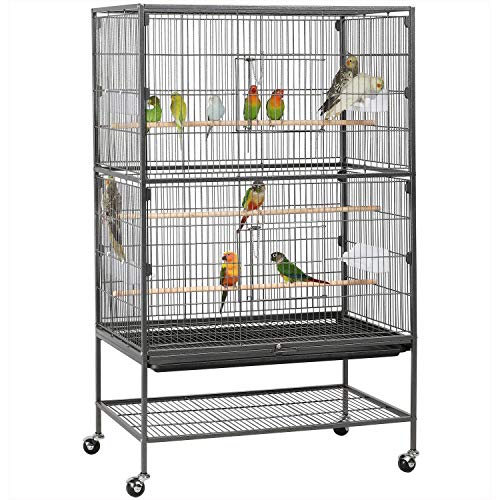
If you are a new parakeet owner, the question of how often to clean the cage can feel overwhelming. You want your bird to be healthy, but you also don’t want to spend your whole weekend scrubbing bars. The honest answer is that a good cleaning routine has three layers: daily, weekly, and monthly. Each layer has a specific purpose, and once you get into the rhythm, it takes less than 10 minutes a day. Let’s break it down so you know exactly what to do and when.
Daily Spot Cleaning: The 5-Minute Habit
Every single day, you should spend about five minutes tidying up the cage. This is not a deep clean, it is about removing obvious messes before they become a health risk. Start by removing any soiled paper or liner from the bottom tray. Parakeets poop a lot, and droppings left to sit can dry out and release dust and bacteria. Next, wipe down any perches or toys that are visibly dirty with a damp cloth. If you notice any leftover fresh food like broccoli or apple slices, remove them immediately. Wet food spoils fast and can grow mold. Also, check the water dish. Even if it looks clean, empty it, rinse it, and refill it with fresh water. A simple habit like this prevents your bird from drinking water that has been contaminated with seed hulls or droppings. For the cage itself, consider one of the Best Parakeet Cages 2026: Wide Designs with Safe Spacing if you are upgrading, as wider cages with smooth surfaces are easier to wipe down daily.
Weekly Full Cage Scrub
Once a week, you need to do a more thorough cleaning. Take everything out of the cage: perches, toys, food bowls, and the water dish. Remove the bottom tray and discard all the liner. Wash the tray with hot, soapy water and a scrub brush. Use a mild dish soap or a bird-safe cage cleaner. Rinse everything extremely well, because any soap residue can be toxic to your parakeet. While the tray is drying, scrub the cage bars. Pay special attention to the corners and the top of the cage, where dust and droppings accumulate. For the perches, you can soak them in hot water and scrub off any dried poop. If the perches are wooden and very soiled, it might be time to replace them. You can also rotate in fresh Looking for the Best Bird Swing Perch? to give your bird a clean, fun option. After everything is dry, put fresh liner in the tray and reassemble the cage. This weekly scrub is non-negotiable for preventing respiratory issues in your bird.
Parakeets are very sensitive to airborne particles. A weekly scrub reduces dust and dander by up to 80 percent, which is why your bird will breathe easier and chirp more after a clean cage.
Monthly Deep Clean: Disassemble and Disinfect
Once a month, you need to take the cage apart as much as possible for a deep clean. This is when you remove the grate, the bottom tray, and any removable panels. If your cage has a stand, clean the legs and the base as well. Soak all removable parts in a mixture of warm water and a bird-safe disinfectant (like diluted white vinegar or a commercial avian cleaner). Let them soak for 10 to 15 minutes to break down any stuck-on grime. While those parts soak, scrub the cage frame with a soft brush. Get into the tiny crevices where the bars connect to the frame, as this is where bacteria and mites can hide. Rinse everything thoroughly and let it air dry completely before reassembling. This deep clean also gives you a chance to inspect the cage for any sharp edges, rust, or loose parts that could hurt your bird. If you have multiple birds, a larger setup like the Best Parakeet Cage for 2 Birds in 2026: 5 Top Picks might be easier to deep clean because the trays are often larger and more accessible.
Why Over-Cleaning Can Be a Problem
It is possible to clean too much. Parakeets rely on their own scent to feel secure in their environment. If you strip away every trace of their smell with harsh chemicals or daily deep scrubs, you can stress them out. Stick to the daily spot clean and weekly scrub, and only use disinfectants during the monthly deep clean. Avoid using bleach, ammonia, or any strong-smelling cleaners. Even vinegar should be heavily diluted. A good rule of thumb is that the cage should smell like nothing at all after cleaning. If you can smell the cleaner, it is too strong. Also, do not wash wooden perches or toys too often with water, as they can warp or grow mold inside. Instead, sand them lightly to remove rough spots and replace them every few months.
“A clean cage is a happy cage, but a sterile cage is a stressed bird. Find the balance between fresh and familiar.”
Cleaning Around Toys and Accessories
Toys need their own cleaning schedule. Plastic and acrylic toys can be washed weekly with hot soapy water and rinsed well. Rope toys and fabric items should be washed in the washing machine on a gentle cycle with no detergent, or hand washed and hung to dry. Natural wood toys can be wiped down but not soaked. If you notice a toy is frayed or has loose threads, replace it immediately, as those can tangle around your bird’s feet or neck. For treats, always store them in an airtight container and only put a small amount in the cage each day. Stale or moldy treats can cause digestive issues. Check out some healthy options in the Parakeet Treats Your Bird Will Love: 5 Top Picks for Every Budget to keep your bird’s snack time both safe and fun.
Signs You Need to Clean More Often
Sometimes your bird’s habits or health will tell you that your current schedule is not enough. If you notice a bad smell coming from the cage even after you have cleaned it, you might have missed a hidden spot, like under a food bowl or behind a perch. If your parakeet is sneezing, wheezing, or has discharge from its nose, that is a sign of poor air quality from a dirty cage. In that case, increase your weekly scrub to twice a week and make sure you are changing the liner daily. Also, if you see flies or gnats near the cage, you are not cleaning often enough. Flies are attracted to old food and droppings. If you are struggling to keep up, consider a cage with a removable bottom tray or a stand that makes cleaning easier. A Parakeet Cage With Stand Shortlist: 5 Top Picks for 2026 can make a big difference because the stand elevates the cage and gives you better access to the tray. Always remember that if your bird shows any signs of illness, consult your vet rather than just changing your cleaning routine.