If you’ve ever walked into a room and gotten a whiff of that sharp ammonia smell from your rabbit’s cage, you know it’s time to rethink your cleaning routine. A clean cage isn’t just about your nose, it’s about your bunny’s health. Rabbits are sensitive to dirty living conditions, and their respiratory systems can be irritated by ammonia from urine. So, how often should you actually clean your rabbit’s cage? The short answer: spot-clean every single day, and do a full deep clean once a week. Here’s exactly what that looks like.
Daily Spot-Cleaning: The Five-Minute Habit
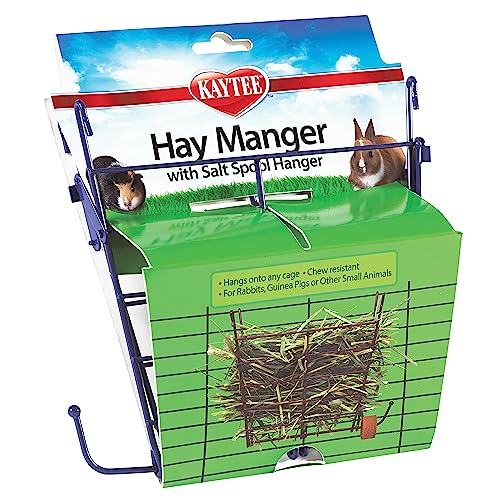
Every morning or evening, take five minutes to remove soiled bedding, wet spots, and any uneaten fresh vegetables. Use a small dustpan or a dedicated scoop to pick out clumps of urine-soaked litter and stray droppings. This daily task keeps odors from building up and prevents your rabbit from sitting in damp conditions that can lead to urine scald or sore hocks. While you’re at it, check their hay rack to make sure it’s full of fresh hay, and remove any hay that’s been soiled or trampled into the litter area. Refresh their water bottle or bowl too, and wipe down any wet surfaces with a pet-safe wipe. That’s it, five minutes, done.
Weekly Deep Clean: The Full Reset
Once a week, you need to strip the entire cage down. Remove your rabbit and place them in a safe, secure space like an exercise pen while you work. Take out all bedding, litter, toys, hideouts, and food bowls. Sweep or vacuum up any loose debris from the bottom of the cage. Then, scrub the entire cage tray and wire floor (if applicable) with a mixture of white vinegar and warm water. Vinegar is safe for rabbits and neutralizes ammonia odors better than bleach. Rinse thoroughly with clean water and dry with a towel. While the cage dries, wash all accessories: food bowls, water bottles, and any plastic hideouts. Use hot, soapy water and rinse well. This is also a good time to inspect your rabbit’s chew toys for wear and replace any that are too chewed down or sharp. Once everything is dry, put in fresh bedding and litter, and return your rabbit to their sparkling clean home.
Litter Box Management: The Key to Odor Control
Most rabbits will choose a specific corner as their bathroom. If you place a litter box in that corner, you can dramatically cut down on how often you need to clean the whole cage. For a litter-trained rabbit, you should empty and wash the litter box every two to three days, even if you only deep-clean the cage once a week. Use a paper-based or aspen pellet litter, never clay or clumping cat litter, which can be toxic if ingested. A clean litter box is the single most effective way to keep your rabbit’s cage smelling fresh between deep cleans.
If you notice a strong ammonia smell even after a deep clean, check your rabbit’s diet. Too many high-calcium vegetables can make urine smell stronger. Also, consider adding a second litter box if your rabbit has a large enclosure, it gives them a clean option even if one box gets full.
Signs You Need to Clean More Often
Every rabbit is different. A rabbit that drinks a lot of water or eats a lot of fresh greens will urinate more frequently. If you notice flies around the cage, a persistent smell, or your rabbit avoiding one corner of the cage, you might need to increase your cleaning frequency. Also, rabbits with health issues like arthritis may not be able to move away from their waste, so you may need to spot-clean twice a day. If your rabbit starts sneezing or has discharge from their nose, it could be a sign of respiratory irritation from ammonia, so ask your vet for advice and step up your cleaning routine immediately.
What About the Accessories?
Don’t forget the items inside the cage. Hideouts can trap urine and hay dust, so wipe them down during your weekly deep clean. Fabric items like hammocks or fleece liners should be washed in hot water with unscented detergent every week. Tunnels and tubes can be brushed out and wiped with vinegar water. If you use a cooling mat in warmer months, check it for any cracks or leaks and wipe it down with a damp cloth. A clean cage includes clean everything your rabbit touches.
A clean cage is not a luxury, it’s the foundation of your rabbit’s health and happiness. Five minutes a day saves you a stinky mess and a trip to the vet.
Seasonal Considerations
In hot, humid weather, bacteria and odors multiply faster. During summer, you may need to do a full deep clean every five to six days instead of every seven. In winter, when windows are closed and ventilation is low, ammonia can build up quickly indoors, so stick to the weekly schedule strictly. If your rabbit lives outdoors, you’ll need to clean even more frequently due to flies and weather exposure. Always use a pet-safe disinfectant and rinse thoroughly, rabbits are sensitive to chemical residues.