If you’ve ever been on the receiving end of an enthusiastic kneading session, you know the importance of keeping your cat’s claws in check. But how often should you actually clip them? The short answer: most indoor cats need a trim every 2 to 4 weeks. However, your cat’s individual needs can vary based on how much they scratch, their age, and whether they go outside. Let’s break it down so you can find the perfect claw-care rhythm for your feline companion.
Why Regular Claw Trims Matter
Regular trims aren’t just about protecting your sofa and skin. Overgrown claws can curl into the paw pad, causing pain and infection. They can also get caught in carpets or furniture, leading to broken nails or injuries. Keeping claws at a healthy length also reduces the risk of accidental scratches during play, especially if you have kids or other pets. Plus, a well-trimmed cat is a more comfortable cat, and that means a happier household.
Signs Your Cat Is Ready for a Trim
Instead of marking your calendar, let your cat’s claws be your guide. Here are clear signs it’s time to clip:
- You hear a clicking sound when your cat walks on hard floors.
- Their claws snag on blankets, towels, or your favorite sweater.
- You can see the claw curling beyond the paw pad when they stretch.
- They scratch furniture more aggressively or more often than usual.
- You get scratched easily during play, even when they’re being gentle.
If you notice any of these, it’s time for a trim. Waiting too long can lead to discomfort or even injury, so it’s better to err on the side of caution.
How Age and Lifestyle Affect the Schedule
Kittens and young cats grow claws faster and are often more active, so they may need trims every 1 to 2 weeks. Senior cats, on the other hand, may be less active and naturally wear down their claws less, but they also might have thicker, more brittle nails that need more frequent attention. Indoor cats generally need more trims than outdoor cats because they don’t have access to rough surfaces like concrete or tree bark to file their claws naturally. If your cat is an indoor-only companion, you’ll likely be on the 2 to 4 week schedule. For cats with allergies, remember that stress can exacerbate skin issues, and regular claw trims can reduce scratching-related irritation. If you’re dealing with allergy symptoms, you might also check out our guide on how often to bathe a cat with allergies for complementary tips.
How to Make Claw Trimming Easier for You and Your Cat
Trimming your cat’s claws doesn’t have to be a wrestling match. Start by getting them comfortable with having their paws handled. Gently press a paw to extend a claw, offer a treat, and repeat daily until they’re relaxed. When it’s time to clip, use a pair of sharp, cat-specific nail clippers. Only trim the white tip of the claw, avoiding the pink ‘quick’ which contains blood vessels and nerves. If you’re unsure, trim less rather than more. If you accidentally cut the quick, apply a little styptic powder or cornstarch to stop the bleeding. For cats who are particularly squirmy, try wrapping them in a towel (the ‘purrito’ method) or enlisting a helper. And always reward them with a favorite treat after a successful session. If your cat is prone to hairballs from over-grooming, you might also want to check our advice on how often to brush a cat prone to hairballs to keep their coat healthy and reduce the urge to scratch.
Cats have retractable claws, which means they can extend them only when needed. This is why regular trims are so important: if they don’t wear them down naturally, the claws can grow into a curve and become painful.
What If You Can’t Trim at Home?
If your cat absolutely refuses to let you near their paws, don’t force it. You can take them to a professional groomer or your vet’s office for routine trims. Many vet clinics offer nail clipping as a quick service, and it’s often affordable. If your cat has a health condition that makes handling difficult, like arthritis or a skin allergy, ask your vet for advice. They can show you the safest way to hold your cat and may recommend a sedative for very anxious cats. Remember, the goal is to keep your cat comfortable and healthy, not to stress them out.
Scratching Posts and Other Alternatives
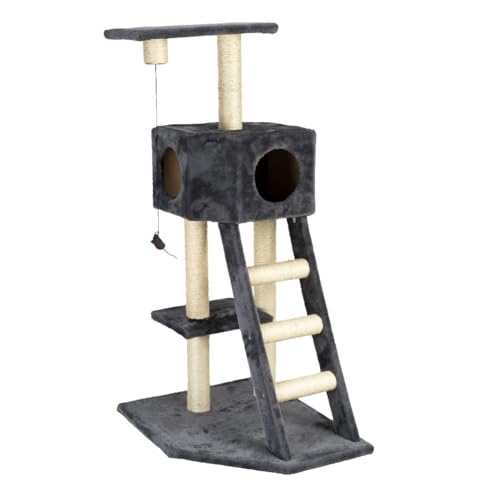
While scratching posts and pads can help naturally file your cat’s claws, they don’t replace regular trims. Scratching helps remove the outer sheath of the claw, but it doesn’t shorten the nail itself. So, even with a great scratching post, you’ll still need to clip on a regular basis. However, providing a variety of scratching surfaces can reduce the frequency of trims and protect your furniture. If your cat is also dealing with allergies that cause excessive scratching, our guide on signs of food allergies in cats might help you identify triggers that could be making their paws more sensitive.
“A few minutes of claw care every couple of weeks saves you from shredded drapes and accidental scratches, and it keeps your cat’s paws healthy and pain-free.”
When to Ask Your Vet
If you notice any redness, swelling, discharge, or a foul odor around your cat’s toes, these could be signs of an infection or an ingrown claw. In that case, don’t try to fix it yourself. Contact your vet for an examination. Also, if your cat is suddenly resistant to having their paws touched when they used to be fine, it could indicate pain or arthritis. A quick check-up can rule out any underlying issues and get your cat back to their happy, comfortable self.
Ultimately, the best schedule is one that fits your cat’s individual needs. Start with a 2 to 4 week routine, observe how their claws look and feel, and adjust from there. Your cat will thank you with softer, safer cuddles.