If you’ve ever been on the receiving end of a tiny, needle-sharp kitten claw, you know the pain is real. Those little daggers grow fast, and keeping them trimmed is one of the best things you can do for your furniture, your skin, and your kitten’s comfort. But how often should you actually cut them? The short answer: every 2 to 4 weeks, depending on your kitten’s growth rate and activity level. Let’s break down exactly what that looks like in real life.
Why Kitten Nails Need Regular Trims
Kittens are born with retractable claws that are incredibly sharp. In the wild, those claws help them climb and hunt. In your home, they help them scale your curtains, grip your carpet, and dig into your lap when they knead. Unlike adult cats, kittens’ nails grow quickly and can curve back into their paw pads if left untrimmed, causing pain and infection. Regular trims also prevent broken nails from snagging on fabrics, which can be painful and lead to bleeding. Plus, handling your kitten’s paws early builds trust for vet visits and future grooming. A good pair of 2026 Best Cat Nail Trimmers: Pet Republique Top Pick can make the job safer and less stressful for both of you.
How Often to Trim by Age and Growth
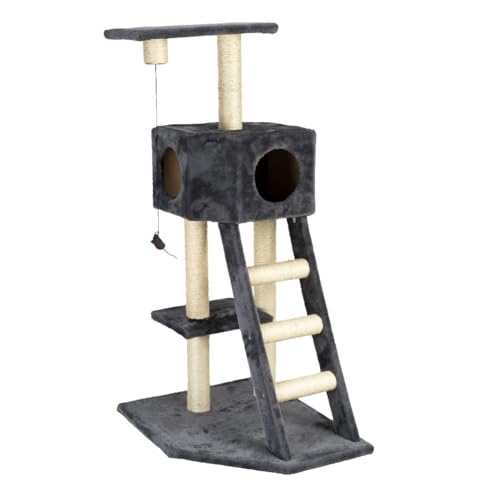
For kittens under 6 months, growth is rapid. You’ll likely need to trim every 2 weeks. After 6 months, most cats settle into a monthly schedule. But every kitten is different. A good rule: if you hear clicking on hard floors, or if your kitten’s claws catch on blankets, it’s time for a trim. You can also check by gently pressing on the paw to extend the nail. If you see the sharp tip curving downward, trim it. If the nail is straight and blunt, you can wait another week. Kittens that spend a lot of time on Top 5 Cat Trees or scratching posts may wear down their nails naturally, so you might get away with longer intervals. But don’t rely on scratching alone, it usually only dulls the front claws, not the back ones.
“A kitten’s claw grows about 1 millimeter per week. That tiny curve can turn into a painful ingrown nail in just a month.”
Step-by-Step: How to Trim Safely
Before you start, gather your supplies: a pair of sharp cat nail trimmers (guillotine or scissor style work well), some treats, and a towel if your kitten is wiggly. Find a quiet time when your kitten is sleepy, like after a meal or a play session. Sit them on your lap or a stable surface. Gently hold one paw and press the pad to extend the nail. Look for the pink ‘quick’ inside the nail, this is the blood vessel. Only cut the clear, sharp tip, staying a few millimeters away from the quick. If your kitten has clear nails, you can see the quick easily. For dark nails, cut tiny bits at a time until you see a small gray or black dot in the center, that’s the start of the quick. If you accidentally cut the quick, apply styptic powder or cornstarch to stop the bleeding. Keep sessions short, just one or two paws at a time, and reward with a treat. Over time, your kitten will learn that trims mean good things.
Just like human babies lose their teeth, kittens shed their outer nail sheaths every few weeks. That’s why you might find tiny claw-shaped shells around your house. Trimming helps those sheaths fall off more easily, keeping the nail healthy.
What If My Kitten Hates Nail Trims?
Many kittens resist at first. The key is patience and positive association. Start by just touching your kitten’s paws daily, then progress to pressing the pads to extend the nails. Give a treat each time. Next, introduce the trimmers by letting them sniff it and touch it to their paw without cutting. When you do cut, start with just one nail per session. If your kitten squirms, wrap them loosely in a towel with one paw out, this is called the ‘purrito’ method. Never force it or raise your voice, that creates fear. If your kitten is extremely stressed, consider having a vet or groomer do the first few trims while you watch and learn. You can also try trimming during a nap or while they’re eating from a Top 5 Cat Water Fountains to distract them. Consistency and calmness win here.
Signs You’re Trimming Too Often or Not Enough
Trimming too often can cause your kitten to become sensitive or fearful if you nick the quick repeatedly. If you see bleeding more than once, slow down and give their paws a break for a week. On the flip side, if you wait too long, you’ll notice scratches on your skin, snagged curtains, or your kitten getting stuck on carpet fibers. Overgrown nails can also cause your kitten to walk funny or avoid using a scratching post. A good rule of thumb: if you can hear the nails clicking on hard floors, they’re too long. If your kitten’s nails are so long that they curl under, trim immediately and consider a vet visit if you’re unsure how to handle it. Regular trims also reduce the need for heavy-duty 7 Best Cat Deshedding Brushes, Tested on Real Felines because less scratching means less shedding of fur from damaged claw sheaths.
When to Ask Your Vet for Help
If your kitten has dark nails and you’re nervous about hitting the quick, or if your kitten has a medical condition like a clotting disorder, always ask your vet for guidance. Some kittens have naturally brittle or thick nails that require special care. If you notice swelling, redness, or discharge around the nail bed, that could be an infection and needs a vet’s attention. Also, if your kitten’s nails seem to be growing unevenly or curling abnormally, a vet can rule out underlying issues. For most healthy kittens, a simple 2- to 4-week schedule with gentle handling is all you need. Remember, you’re building a lifelong habit. Start slow, stay calm, and your kitten will thank you with purrs instead of scratches.