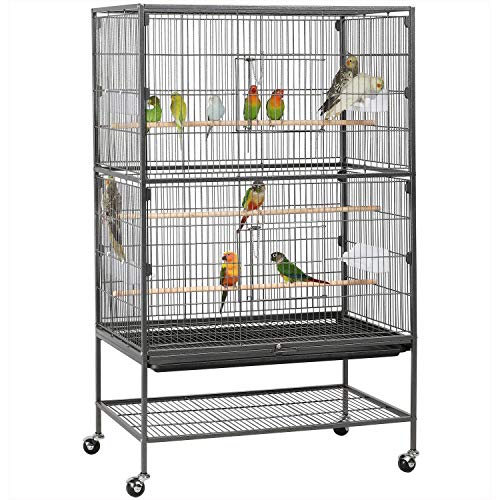
If you’ve ever felt a tiny, sharp claw dig into your finger while your parakeet perches on you, you know the struggle. Nail trimming is one of those chores that many owners dread, but it’s essential for your bird’s comfort and safety. The short answer: most parakeets need a nail trim every 4 to 6 weeks. But the real answer is more personal. Some birds naturally wear their nails down on rough perches and toys, while others grow them fast. Let’s break down exactly what to look for and how to keep those little talons in check.
Signs Your Parakeet’s Nails Are Too Long
You don’t need to guess. Watch for these clear signs that a trim is overdue:
- Snagging on fabric or cage bars. If your bird’s nail gets caught on your shirt or the cage cover, it’s too long.
- Difficulty perching comfortably. The nail should rest flat on the perch, not curl around it or lift the toe upward.
- Clicking sounds on hard floors. Healthy nails are quiet; long nails tap as they walk.
- Visible curling past the toe tip. If you can see the nail curving downward or sideways, it’s time.
If you notice any of these, don’t wait for a specific date. Trim as soon as you can. A nail that is too long can get caught in cage bars or toys, leading to painful injuries.
How to Tell the Nail Length Is Right
The ideal nail length is simple: the tip should just barely touch the surface when the bird is standing naturally on a flat perch. The nail should not lift the toe off the perch. You also want to avoid cutting into the “quick” , the pink blood vessel inside the nail. In light-colored nails, you can see it as a pink line. In dark nails, shine a bright light from behind the nail to see the shadow of the quick. If you are unsure, cut just the very tip, or ask your vet to show you first.
If you accidentally cut the quick, it will bleed. Keep styptic powder or cornstarch handy. Dip the bleeding nail into the powder and apply gentle pressure for a minute. If bleeding doesn’t stop, call your avian vet.
How Often Depends on Your Perch Setup
This is the biggest factor. Parakeets that spend most of their time on smooth dowel perches will need trims more often , sometimes every 3 weeks. Those with a variety of natural wood branches, rope perches, and concrete perches will file their nails down naturally. For example, using rope perches for Ringneck Parakeets (which work great for budgies too) helps gently abrade nails during normal movement. A good rule: if your bird has at least two different textured perches, you might only need a trim every 6 to 8 weeks. If they only have smooth perches, plan for every 3 to 4 weeks. Check their nails weekly to get a feel for their personal growth rate.
Step-by-Step: How to Trim Parakeet Nails Safely
Trimming doesn’t have to be scary. Here’s a calm, safe method:
- Gather supplies: Small animal nail clippers (or human baby nail clippers), styptic powder or cornstarch, a towel, and good lighting.
- Wrap your bird gently in a soft towel, leaving one foot exposed. This keeps them calm and prevents sudden movements.
- Identify the quick by looking for the pink line inside the nail. Cut only the clear tip, about 1-2 mm past the quick.
- Cut at a slight angle to mimic the natural curve of the nail. Cut straight across if the nail is very long.
- Release the foot and give a treat. Repeat for the other foot. Keep sessions short , if your bird gets stressed, stop and try again later.
“A calm bird is a safe bird. If you’re nervous, your bird will feel it. Take a deep breath and go slow.”
What Happens If You Don’t Trim? (And How to Prevent Overgrowth)
Ignoring long nails isn’t just cosmetic. Overgrown nails can curl into the foot pad, causing pain, infection, and difficulty perching. They can also snag on cage bars or toys, leading to broken nails or even dislocated toes. In severe cases, long nails affect a bird’s balance and can lead to falls. Prevention is easier than treatment. Provide a variety of perch textures: natural wood, rope, and a flat perch or platform. For birds that love baths, a bird bath for Ringneck Parakeets can also help keep nails slightly softer and easier to manage. Also, make sure your bird gets plenty of out-of-cage time to climb and explore different surfaces. Active birds naturally wear their nails down faster.
When to Call the Vet for Nail Trims
Some birds simply won’t tolerate being held or trimmed at home. That’s okay. If your parakeet is extremely stressed, or if you have a dark-nailed bird and you’re not confident seeing the quick, it’s safer to let a professional handle it. An avian vet or experienced groomer can trim nails quickly and safely, often for a small fee. Also, if you notice any swelling, redness, or discharge around the nail bed, see a vet immediately , that could indicate an infection. And if your bird has a bleeding nail that won’t stop, don’t hesitate to call your vet. It’s always better to be safe.
Wild parakeets rarely need nail trims because they spend their days climbing on rough tree bark and rocks. The best way to mimic that at home is with natural wood perches and a few safe concrete perches. It’s like giving them a built-in nail file!
Final Tips for Healthy Parakeet Nails
Keep a small nail file (the kind for humans) handy. If you see a tiny sharp edge after trimming, you can gently smooth it. Always reward your bird with a favorite treat after a trim , this builds positive association. And remember, if you’re ever unsure, ask your avian vet for a quick demonstration. Most vets are happy to show you the technique during a regular checkup. Your parakeet’s nails are a small part of their overall health, but keeping them right makes a big difference in their comfort and happiness.