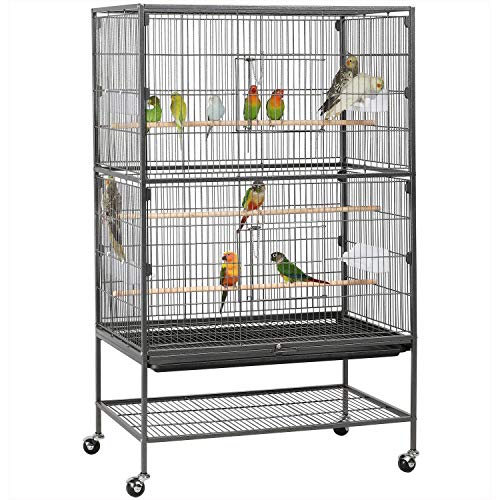
Getting your parakeet’s feeding schedule right is one of the most important things you can do for their health and happiness. Parakeets are small birds with fast metabolisms, so they need regular access to food throughout the day, but not unlimited junk. The short answer is: offer a fresh seed or pellet mix once in the morning, provide fresh vegetables daily, and always keep clean water available. But the details matter, from portion sizes to what foods are safe. Here is exactly what you need to know.
The Basic Daily Feeding Schedule
Parakeets should have their main food bowl refreshed every morning. Fill it with about one to two tablespoons of a high-quality seed mix or pellet formula. Do not just top off the bowl, empty any leftover hulls or stale food first. Your bird will pick through the bowl throughout the day, eating the seeds they like best. By evening, the bowl may look empty, but that is often just hulls. If your parakeet is a good eater, you can offer a small serving of fresh vegetables or a tiny piece of fruit in the late afternoon or early evening. This mimics their natural foraging rhythm and keeps them from getting bored. Remove any uneaten fresh food after a couple of hours to prevent spoilage.
Seeds vs. Pellets: Which Is Better?
Seed-only diets are like feeding a child only candy. Seeds are high in fat and low in many essential nutrients. A better approach is to use a high-quality pellet as the base of the diet, making up about 60 to 70 percent of their daily intake, and then supplement with a small amount of seed mix for variety and enrichment. If you are unsure about your bird’s overall health, it is worth reading about signs of illness in ringneck parakeet to catch any diet-related issues early. Pellets provide balanced nutrition, but some parakeets are stubborn about switching. Transition slowly over a few weeks by mixing pellets into their seeds.
How Much Fresh Food Should You Offer?
Fresh vegetables should make up about 20 to 25 percent of your parakeet’s total daily food intake. A good rule of thumb is a portion about the size of your bird’s head. Offer a mix of dark leafy greens like kale or spinach, plus chopped carrots, bell peppers, broccoli, and occasional treats like a slice of apple or a few blueberries. Introduce new foods one at a time. If your parakeet is picky, try hanging the vegetable from the cage bars as a toy. This can also help with behavior, as a bored bird may develop habits like biting. If you are dealing with nippiness, check out why does my ringneck parakeet bite for tips on enrichment and trust-building.
Parakeets have no teeth, so they use their beak to crush and hull seeds. Offering a cuttlebone or mineral block in the cage helps them keep their beak trimmed and provides calcium.
Water: The Overlooked Essential
Fresh, clean water must be available at all times. Change the water at least once a day, and more often if you notice food or droppings in it. Use a water bottle or a shallow dish that is easy to clean. Parakeets will bathe in their water dish, so expect some mess. That is fine, just clean the dish with hot water and a bird-safe disinfectant daily. Never add vitamins or medications to the water unless your vet specifically instructs you to, as they can spoil quickly and discourage drinking.
Foods to Avoid at All Costs
Some common foods are toxic to parakeets. Never feed avocado, chocolate, caffeine, alcohol, onion, garlic, or fruit pits and seeds (like apple seeds). Also avoid salty snacks, sugary treats, and anything with artificial sweeteners, especially xylitol. Stick to bird-safe vegetables and fruits. If you are considering adding a new bird to your home, understanding their ringneck parakeet lifespan can help you plan for a long-term commitment to proper nutrition and care.
“A parakeet’s bowl is a mirror of its health. What you put in determines what you get out, in feathers, energy, and song.”
Special Considerations for Young, Old, or Breeding Birds
Baby parakeets need more frequent feedings, often three to four times a day with a specialized hand-feeding formula. Adult birds do fine with the once-daily schedule described above. Older parakeets may have slower metabolisms and can become overweight, so monitor their portions and reduce seeds if needed. If you are breeding parakeets, nutritional needs change significantly. A breeding hen requires extra calcium and protein. For specific guidance, see ringneck parakeet breeding behavior for tips on supporting her diet during nesting. Always consult your avian vet if you notice changes in appetite, weight, or droppings. A sudden loss of appetite can be a sign of illness, so keep an eye on your bird’s eating habits.
Sample Daily Feeding Routine
- Morning (7-8 am): Empty and clean food bowl. Add 1-2 tablespoons of fresh pellet and seed mix. Refill water.
- Midday (optional): Offer a small foraging toy with millet or a few seeds inside for enrichment.
- Late afternoon (4-5 pm): Offer a small serving of fresh vegetables or fruit. Remove after 2 hours.
- Evening: Check water, remove any leftover fresh food. Do not leave wet food in the cage overnight.
Stick to this routine, and your parakeet will thrive. Consistency builds trust, and a well-fed bird is a happy, vocal companion.