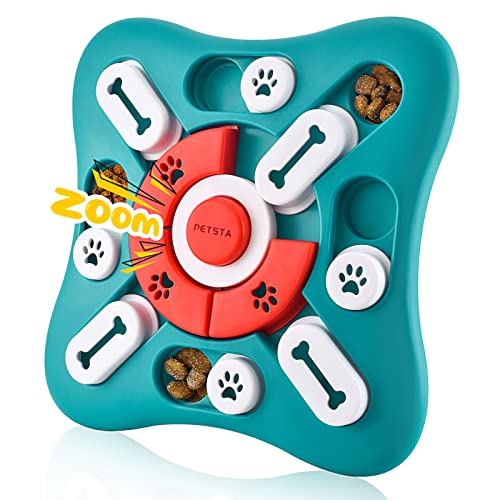
Bringing home a new puppy is exciting and a little overwhelming, especially when it comes to mealtime. You want to do right by your pup, but the internet is full of conflicting advice. The simple truth is that how often you feed your puppy depends mostly on their age and breed size. Puppies have tiny stomachs and high energy needs, so they need smaller, more frequent meals than adult dogs. Here is a clear, practical guide to get your puppy on a healthy feeding schedule from day one.
Why Frequent Meals Matter for Puppies
Puppies are growing machines, and their bodies burn through calories fast. Unlike adult dogs, they cannot store much glycogen, which means their blood sugar can drop quickly if they go too long without food. This can lead to weakness, lethargy, or even hypoglycemia in very small breeds. Feeding your puppy three to four times a day keeps their energy steady and supports proper bone and muscle development. It also helps with house training because a consistent feeding schedule leads to predictable potty breaks, making it easier to establish a routine.
Feeding Schedule by Age: A Simple Timeline
Here is a general timeline that works for most puppies, but always check with your vet for breed-specific advice, especially if you have a giant or toy breed.
8 to 12 Weeks Old: Four Meals a Day
At this age, your puppy is weaning off their mother’s milk and needs frequent, small portions. Feed them first thing in the morning, around midday, in the late afternoon, and again in the evening. This keeps their blood sugar stable and their tiny tummies full. If you have a breed like an Australian Shepherd, known for high energy and intelligence, you might also consider using puzzle toys for Australian Shepherds during mealtime to engage their mind while they eat.
3 to 6 Months Old: Three Meals a Day
By three months, most puppies can transition to three meals a day. Space them out evenly, for example, breakfast at 7 a.m., lunch at noon, and dinner at 5 p.m. This is a good time to switch from puppy mush to dry kibble if you haven’t already. For larger breeds like Cane Corsos, proper nutrition is critical for joint health, so choosing a high-quality food is key. You can explore 5 Best Dog Foods for Cane Corsos: High-Protein Picks to find a formula that supports steady growth without overloading calories.
6 to 12 Months Old: Two Meals a Day
Once your puppy hits six months, you can drop to two meals a day, just like an adult dog. Some smaller breeds can make this switch earlier, while giant breeds may need three meals a day for a bit longer. Keep the meals consistent, morning and evening, and avoid free-feeding, which can lead to obesity. If your puppy is a fast eater, consider using a slow feeder bowl to prevent gulping and bloat risk. For breeds that tend to scarf down food, like Australian Shepherds, slow feed dog bowls for Australian Shepherds can make mealtime safer and more satisfying.
Puppies have about 30 baby teeth that start falling out around 4 months old. During teething, they might eat slower or refuse hard kibble. Soaking their food in warm water for 10 minutes can make it easier to chew and digest.
Breed Size Matters: Adjusting Frequency and Portion Size
Not all puppies are the same. Toy breeds like Chihuahuas have very fast metabolisms and tiny stomachs, so they often need four small meals a day until they are 4 to 5 months old. Giant breeds like Great Danes grow slowly and are prone to bloat, so they benefit from three meals a day for the first year and a raised bowl setup to reduce neck strain. If you own a Cane Corso, a breed with a deep chest, you should look into reduce neck strain: best dog bowls for Cane Corsos to promote safer eating habits. Medium and large breeds like Labrador Retrievers generally follow the standard timeline, but always adjust based on your puppy’s body condition, not just the bag’s instructions.
How to Transition Between Meal Frequencies
Switching from four meals to three, or three to two, should be gradual. Over the course of a week, slowly drop one meal by reducing its portion size and adding that amount to the remaining meals. For example, if you are moving from four to three meals, reduce the midday meal by half for a few days, then eliminate it entirely. Watch your puppy’s behavior: if they seem hungry or lethargic, stick with the current schedule a little longer. A hungry puppy might also start scavenging or chewing on things they should not, so keep an eye on their weight and energy.
“Feeding your puppy on a schedule is the single best way to prevent tummy troubles and make house training easier. Consistency is your best tool.”
Common Mistakes to Avoid
- Free-feeding: Leaving food out all day can lead to overeating, obesity, and make it hard to predict potty breaks. Stick to set meal times.
- Too many treats: Treats should make up no more than 10 percent of your puppy’s daily calories. Use them for training, not as meal replacements.
- Ignoring growth rate: Puppy food is formulated for growth, but some breeds need specific nutrient ratios. For example, Australian Shepherd puppies thrive on a balanced diet, and you can check best dog food for Australian Shepherd puppies for tailored options.
- Skipping meals: If your puppy skips a meal, do not panic. They might be teething, stressed, or just not hungry. Offer the food again at the next mealtime, and consult your vet if it happens for more than 24 hours.
Remember, every puppy is an individual. Some breeds, like Cane Corsos and Australian Shepherds, have different temperaments and activity levels that can affect their appetite. If you are wondering whether a specific breed fits your lifestyle, reading guides like Are Cane Corsos Good Family Dogs or Are Australian Shepherds Good Family Dogs can help you understand their needs beyond just feeding. When in doubt, ask your veterinarian for a personalized feeding plan. They can help you adjust based on your puppy’s growth curve, activity level, and overall health.