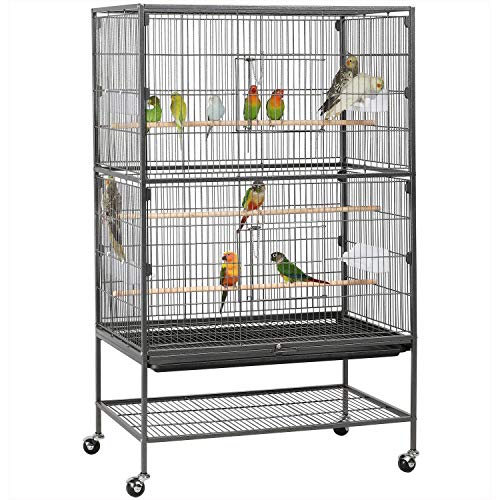
Bringing home a baby bird is one of the most exciting moments for any pet parent. You want to bond, cuddle, and start building that lifelong friendship, but you also don’t want to accidentally stress out your tiny feathered friend. The big question everyone asks: how often should you actually handle a baby bird? The answer isn’t one-size-fits-all, but there are clear guidelines that work for most species, from parakeets to mynah birds. Let’s break it down so you can feel confident and your bird can feel safe.
Start With Short, Frequent Sessions
For the first week after bringing your baby bird home, aim for handling sessions that last no more than 10 to 15 minutes, two to four times per day. This gives your bird time to adjust to your scent, voice, and touch without becoming overwhelmed. Think of it like a human baby: too much stimulation at once leads to fussiness. A baby bird that is handled too long may start panting, fluffing up nervously, or trying to escape. If you see any of these signs, end the session calmly and try again later. Consistency is more important than duration, so stick to a routine around feeding times or when your bird is naturally alert.
Watch Your Bird’s Body Language
Your baby bird will tell you exactly how much handling it wants, if you learn to read its cues. A relaxed bird will have smooth feathers, bright eyes, and may even lean into your hand or close its eyes contentedly. A stressed bird might tremble, bite, hiss, or freeze in place. If your bird seems scared, don’t force it. Instead, spend time just sitting near the cage, talking softly, or offering a treat through the bars. For species like mynah birds, which are highly intelligent and social, a good harness can help you safely handle them outside the cage once they’re a bit older, but only after they fully trust you. Never grab a baby bird from above, that mimics a predator and can set back bonding by weeks.
“The best handling is the handling your bird welcomes. One calm minute of trust is worth ten minutes of forced cuddling.”
Adjust Handling Frequency by Age and Species
A newly weaned baby bird needs more frequent, gentle contact than an older juvenile. For the first two to three months, handle your bird at least three times a day to build a strong foundation. After that, you can taper to once or twice daily for maintenance. But different species have different needs. Mynah birds, for example, are incredibly social and can become depressed if ignored for long periods. They thrive on daily interaction, often enjoying being perched on your shoulder while you go about your day. Providing a soft rope perch near your desk or couch can encourage your bird to hang out with you without constant direct handling. On the flip side, some smaller birds like budgies may prefer shorter, more frequent sessions. Always research your specific species and ask your vet for guidance tailored to your bird’s health and temperament.
Use Handling Time for Training and Enrichment
Handling isn’t just about cuddling, it’s a golden opportunity to teach your baby bird good habits. Use each session to practice step-up commands, offer a favorite treat, or introduce new toys. This keeps your bird mentally stimulated and reinforces that your hands are safe and rewarding. For mynah birds, which are known for their vocal abilities, handling time is perfect for gentle head scratches and soft talking, which can encourage them to mimic sounds. You can also use this time to check your bird’s feet, beak, and feathers for any issues. A well-socialized bird that is handled regularly will be easier to care for during vet visits or when you need to trim nails. If you use a variety of perches in the cage, your bird’s feet will stay healthier, making handling more comfortable for both of you.
Baby birds have a critical socialization window between 2 and 8 weeks old. During this time, daily gentle handling can shape their personality for life. Birds handled during this period are often more confident, less fearful, and more likely to bond deeply with their humans.
Know When to Give Your Bird a Break
Even the friendliest baby bird needs downtime. Overhandling can lead to stress, which weakens the immune system and can cause behavioral problems like feather plucking or screaming. If your bird seems tired, is sleeping more than usual, or starts avoiding your hand, it’s time to back off. Give your bird a full day of minimal interaction, just talking softly and offering food, to reset. Also, never handle a baby bird when it is molting or ill, as it will be extra sensitive. If you’re unsure whether your bird is healthy enough for handling, a quick check with an avian vet is always the safest route. A rested, happy bird will be far more eager to interact than one that feels trapped or exhausted.
Build a Routine That Works for Both of You
Ultimately, the best handling schedule is one that fits your lifestyle and your bird’s personality. Some birds love morning cuddles, others prefer evening calm. Pay attention to when your bird is most alert and receptive. For busy owners, even three 10-minute sessions a day can be enough to maintain a strong bond. If you have a mynah bird, you might find that they enjoy spending time near you while you work, especially if you provide a comfortable cage cover for their sleeping area to ensure they get proper rest. The key is consistency, patience, and respect for your bird’s signals. With time, your baby bird will learn that your hands mean safety, treats, and affection, and handling will become a highlight of both your days.