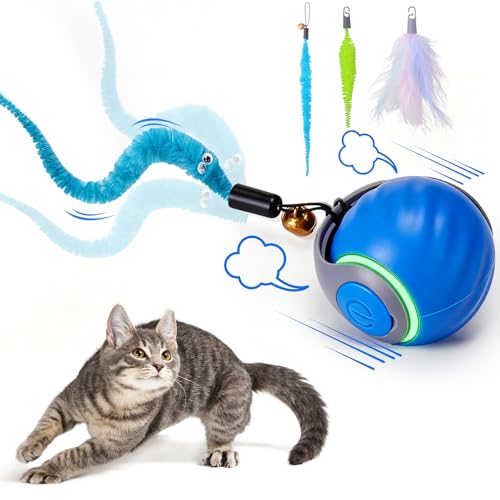
Bringing home a kitten is pure joy, but it also comes with a big question: how much playtime does this little ball of chaos actually need? You might have heard that kittens need “lots of play,” but what does that look like in real life, especially when you have work, chores, and maybe a social life? The short answer is that most kittens thrive on about 45 to 60 minutes of total playtime each day, split into shorter sessions. But the real trick is understanding your kitten’s energy cycles and learning what kind of play actually satisfies their instincts. Let’s break it down so you can keep your kitten entertained, exercised, and out of your curtains.
Why Playtime Matters More Than You Think
Play isn’t just about burning energy. For a kitten, play is how they learn to hunt, pounce, and interact with the world. It builds their coordination, confidence, and even their bond with you. When you play with your kitten, you’re not just being a good pet parent, you’re helping them develop into a well-adjusted adult cat. Without enough play, kittens can become bored, destructive, or overly clingy. They might start attacking your ankles or knocking things off shelves just to get a reaction. So think of play as the foundation of a happy household, not an optional extra.
The Simple Rule: 15 Minutes, Twice a Day (At Least)
As a general guideline, aim for at least two dedicated play sessions of 15 to 20 minutes each day. If you can squeeze in a third short session, even better. Kittens have short, intense bursts of energy, often around dawn and dusk, so try to schedule playtime to match those natural peaks. A quick game before you leave for work and another before bedtime can work wonders. Remember, this is a minimum. Some kittens, especially active breeds like Bengals or Siamese, might want more. Watch your kitten’s cues: if they’re still stalking your feet after a 20-minute session, they might need another round.
How to Play: Quality Over Quantity
It’s not just about how long you play, but how you play. A kitten can get bored with a toy in five minutes if it doesn’t mimic prey. Use wand toys that dart and wiggle like a mouse or bird. Let your kitten chase, pounce, and catch the toy, and then let them “win” occasionally. That successful catch is a huge confidence booster. Rotate toys every few days to keep things fresh. Also, interactive play is key. If you just toss a ball and walk away, your kitten might play for a bit, but they’ll miss the social bonding and the mental stimulation of hunting with you. So get down on the floor and be their playmate.
What If You’re Busy? Smart Alternatives
Life happens, and you can’t always be your kitten’s entertainment director. That’s okay. You can set up an enriching environment that keeps them active even when you’re not around. Puzzle feeders, treat balls, and climbing trees are great investments. You can also leave out a few safe, self-play toys like crinkle balls or catnip mice. But be careful: not all toys are safe for unsupervised play. Avoid anything with small parts, strings, or ribbons that could be swallowed. If you’re worried about your kitten getting bored while you’re away, consider adopting a second kitten so they can entertain each other. Just be prepared for double the zoomies.
Signs You’re Playing Too Much (or Too Little)
Kittens are resilient, but they can get overstimulated. If your kitten starts biting hard, hissing, or swatting aggressively during play, that’s a sign to stop and let them calm down. Overly rough play can teach them bad habits, so always use toys, not your hands, as play targets. On the flip side, if your kitten is destructive, meowing excessively, or seems lethargic, they might not be getting enough stimulation. A healthy balance will leave your kitten tired but content, often falling asleep in a cozy spot after a good session. If you notice your kitten has allergies or skin issues that make them itchy, that can also affect their playfulness. Check out this guide on how often to bathe a cat with allergies if you suspect that’s a factor, because an itchy cat is a grumpy cat.
Adjusting Playtime as Your Kitten Grows
Your kitten won’t stay a tiny tornado forever. As they approach their first birthday, their energy levels will naturally start to mellow. You can gradually reduce play sessions to one or two per day, but keep the total time around 30 to 40 minutes. Adult cats still need play, but they’re better at self-regulating. Pay attention to your cat’s weight and activity level. If they start gaining weight, you might need to add more play. If they seem disinterested, try new toys or different times of day. Also, keep in mind that health issues can affect energy. For example, if your cat has allergies, they might be less active due to discomfort. You can learn more about signs of food allergies in cats to see if that’s something to discuss with your vet.
Play is not just a game, it’s the language of trust between you and your kitten.
Playtime and Bonding: The Hidden Benefit
Beyond the exercise, playtime is your best chance to build a strong, loving relationship with your kitten. Every time you engage in a fun game, you’re teaching your kitten that you are a source of joy and safety. This is especially important if you have children or other pets. A well-played kitten is a confident kitten, and confidence reduces fear-based behaviors. If you’re considering a hypoallergenic breed because of family allergies, remember that playtime is still essential. Check out this resource on hypoallergenic cats and children to see how play fits into that dynamic. And if your kitten is prone to hairballs, regular play can help keep their digestive system moving, but you might also need to adjust their grooming routine. That’s where this guide on how often to brush a cat prone to hairballs can help.
Kittens have a natural hunting cycle: stalk, pounce, catch, kill, and then eat. You can mimic this by playing with your kitten right before their meal, then giving them food after a successful “hunt.” This satisfies their instinct and makes mealtime more rewarding.
Remember, every kitten is an individual. Some are little athletes, others are more laid-back. The best approach is to observe your kitten’s signals and adjust accordingly. If you’re ever unsure about your kitten’s energy levels or behavior, a quick chat with your vet can put your mind at ease. They can help rule out any underlying health issues, like allergies, that might be affecting your kitten’s playfulness. For instance, if your kitten sneezes a lot during play, it might be allergies, and you can read more about why your allergic cat sneezes so much. But in most cases, the answer is simple: get down on the floor, grab a wand toy, and have fun. Your kitten will thank you with purrs, headbutts, and a lifetime of love.