Soaking your bearded dragon isn’t just about keeping them clean, it’s a key part of their health routine. Whether you’re a new owner or a seasoned keeper, you’ve probably wondered: how often should I soak my bearded dragon? The short answer is 2 to 3 times per week for most adults, but the real answer depends on your dragon’s age, shedding cycle, and individual habits. Let’s break it down so you can feel confident at bath time.
Why Soaking Matters for Your Bearded Dragon
Soaking helps with hydration, especially since many beardies are picky drinkers. They absorb water through their vent (the cloaca) during a warm bath, which can prevent dehydration. It also loosens stuck shed, supports healthy digestion, and gives them a chance to poop outside their enclosure. A regular soak routine can reduce the risk of impaction and keep their skin in great condition. For a comfortable post-bath setup, check out a lizard liner that won’t trap moisture and is easy to clean.
Soaking Frequency by Age
Baby and Juvenile Bearded Dragons (0 to 6 months)
Babies are growing fast and shedding more often, sometimes every week or two. They also have higher hydration needs. Soak babies daily or every other day for 10 to 15 minutes. Keep the water shallow, just up to their elbows, and use a warm temperature around 85 to 90 degrees Fahrenheit. Never leave a baby unattended in water.
Sub-Adults (6 to 12 months)
As your dragon matures, shedding slows down. Soak them 3 to 4 times per week. This is a good age to watch for signs of dehydration, like sunken eyes or wrinkled skin, and increase soaks if needed. A consistent schedule helps them stay regular with bowel movements.
Adults (12 months and older)
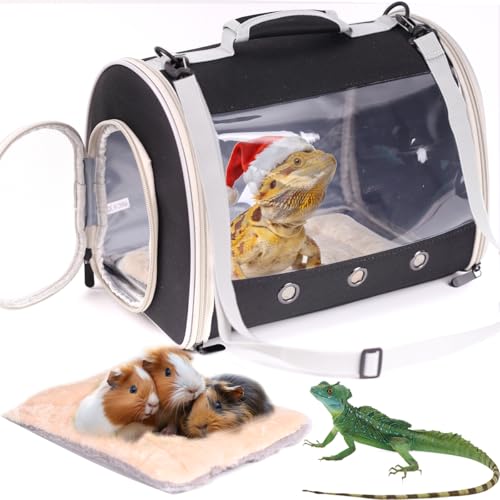
Adult bearded dragons usually need 2 to 3 soaks per week. Some do fine with just two, especially if they drink from a dish regularly. If your adult is a picky drinker or tends to get dry skin, stick with three. Each soak should last 15 to 20 minutes. You can also offer a warm soak before bedtime to help them relax, especially if you plan to take them out in a insulated reptile carrier for a vet visit or outdoor adventure.
Signs Your Bearded Dragon Needs a Soak
You don’t have to rely solely on a calendar. Watch your dragon for these cues: stuck shed around toes or tail tip, dry or flaky skin, infrequent bowel movements, lethargy, or sunken eyes. If you notice any of these, add an extra soak or two for a few days. A warm bath can also help if your dragon seems constipated or hasn’t pooped in a few days. Just be sure the water is warm, not hot, and never use soap or chemicals.
Bearded dragons don’t just drink with their mouths, they can absorb water through their vent. That’s why a good soak is often more effective than a water bowl for keeping them hydrated. Many owners find their dragons only drink during baths!
How to Safely Soak Your Bearded Dragon
Start by filling a clean tub or plastic bin with warm water (85 to 90 degrees Fahrenheit). The water should be shallow, no higher than your dragon’s shoulders or elbows. Place a rough surface like a washcloth or a textured lizard liner in the bottom so they have grip and feel secure. Let them soak for 15 to 20 minutes, gently splashing a little water on their back to encourage drinking. Never force their head underwater. After the soak, pat them dry with a soft towel and return them to a warm enclosure. If your home is cool, you can use a small reptile heat lamp under 50 to warm their basking spot before they go back in.
“A warm bath is the closest thing to a spa day your bearded dragon can get, and it does wonders for their health and mood.”
Soaking During Shedding and Health Issues
When your dragon is shedding, increase soaks to daily or every other day. The moisture loosens the old skin and prevents painful stuck shed, especially on toes and tail tips. If your dragon has a health issue like mild dehydration or constipation, more frequent soaks can help, but always ask your vet for specific advice if symptoms persist. Never use soaks as a substitute for veterinary care. For travel to the vet, a reptile carrier with good ventilation keeps them safe and calm.
Common Soaking Mistakes to Avoid
Don’t use water that’s too hot or too cold, always test it with your wrist. Never leave your dragon unattended, even for a minute. Avoid letting the water get deep enough to cover their head. Don’t use soaps, oils, or bath additives, plain warm water is all they need. And don’t soak them right after they eat, wait at least a few hours to prevent regurgitation. If your dragon seems stressed or tries to climb out constantly, shorten the soak or check the temperature.
If your bearded dragon shows signs of severe dehydration, lethargy, or hasn’t eaten in days, do not rely on soaks alone. Contact a reptile veterinarian immediately. Soaking is a supportive care tool, not a cure for serious illness.