If you’re like most pet owners, you probably give your dog fresh food and water every day, but you might not think much about the bowl itself. The truth is that dog bowls can quickly become a breeding ground for bacteria, mold, and slime. Washing them regularly is one of the simplest ways to keep your pup healthy. But how often is enough? Let’s break down the real answer, no fluff.
Why Washing Dog Bowls Matters More Than You Think
A study by the National Sanitation Foundation found that pet bowls are among the top five germiest items in a home, right behind the kitchen sponge. Bacteria like E. coli, Salmonella, and Staphylococcus can thrive in the warm, moist environment of a bowl, especially if it’s made of plastic. For breeds with sensitive stomachs, like some Australian Shepherds, a dirty bowl can cause digestive upset. If you’re considering a new breed or want to learn about their temperament, you might find our guide on Are Australian Shepherds Good Family Dogs helpful. But for bowl hygiene, the rule is simple: clean regularly to prevent illness.
How Often to Wash Dog Food Bowls
The short answer: after every meal. That means if you feed your dog twice a day, wash the food bowl twice a day. Leaving leftover food or grease in the bowl allows bacteria to multiply within hours. Rinsing with water is not enough; you need soap and hot water. A quick scrub with dish soap and a dedicated sponge (not the one you use for human dishes) will do the trick. For dry kibble, you might think it’s less messy, but saliva and tiny food particles still create a biofilm that bacteria love. Washing after each meal is the gold standard.
How Often to Wash Dog Water Bowls
Water bowls should be washed daily. Even if you refill the water, the bowl itself can develop a slimy film called biofilm, which is a collection of bacteria. This is especially common in stainless steel or ceramic bowls. Wash the water bowl with hot, soapy water every day, and give it a thorough dry before refilling. If your dog is a heavy drinker or drools a lot (think Cane Corsos), you may want to wash it twice a day. For more on that breed, check out Are Cane Corsos Good Family Dogs to see if their needs fit your lifestyle.
A 2019 study by the NSF found that pet bowls are the fourth most germy item in the average home, ranking higher than the toilet seat. Daily washing reduces bacterial counts by over 99%.
Does the Bowl Material Matter?
Yes, and it matters a lot. Plastic bowls are the worst for hygiene because they get tiny scratches where bacteria hide, even after washing. Stainless steel and ceramic are much better because they are non-porous and easier to sanitize. If you have a large breed like a Cane Corso, you might want a raised bowl to reduce neck strain. Our guide on Reduce Neck Strain: Best Dog Bowls for Cane Corsos covers options that are both ergonomic and easy to clean. For fast eaters, like many Australian Shepherds, a slow feed bowl can help, but make sure it’s dishwasher-safe. You can find recommendations in Slow Feed Dog Bowls for Australian Shepherds.
Tips for Easier, More Effective Bowl Cleaning
- Use the dishwasher. If your bowls are dishwasher-safe (stainless steel and most ceramics are), run them on the hot cycle with a sanitizing rinse. This is the most effective way to kill bacteria.
- Have a dedicated brush. Keep a separate scrub brush or sponge just for pet bowls. This prevents cross-contamination from human dish sponges that might carry bacteria.
- Dry completely. Bacteria thrive in moisture. After washing, dry bowls with a clean towel or let them air dry before refilling.
- Replace old bowls. If a stainless steel bowl becomes dented or a ceramic bowl gets chipped, replace it. Cracks and dents are hiding spots for germs.
“A clean bowl is as important as clean food. Your dog can’t tell you it’s dirty, so it’s up to you to keep it spotless.”
What About Automatic or Slow Feeder Bowls?
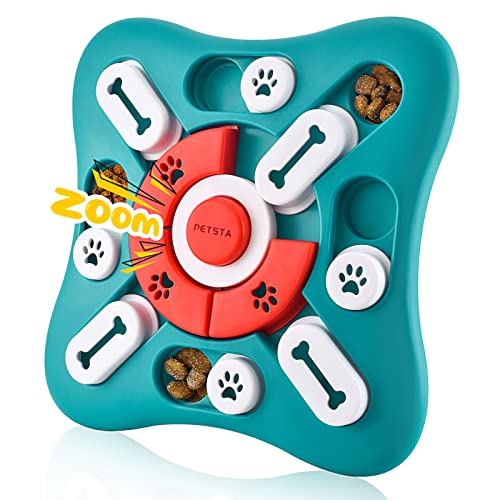
Automatic water fountains and slow feeder bowls require extra care. Fountains should be disassembled and cleaned every three days to prevent mold in the pump and hoses. Slow feeders with ridges and mazes can trap food, so they need a thorough scrubbing after every use. For puppies, especially Australian Shepherd puppies, using a clean, shallow bowl is key. Pair that with a high-quality diet, like the options in our guide on Best Dog Food for Australian Shepherd Puppies, and you’re setting them up for a healthy start.
A Gentle Note on Health
If your dog develops vomiting, diarrhea, or a lack of appetite, dirty bowls could be a contributing factor. However, many health issues have multiple causes. If symptoms persist, please ask your vet for advice. Keeping bowls clean is a simple preventive step, but it’s not a substitute for professional medical care.