If you’ve ever asked yourself, “How often should I water my aquarium plants?” you’re not alone. It’s a common point of confusion for new planted tank owners. The short answer is: you don’t need to “water” them in the traditional sense, because they’re already submerged. But what you really need to know is how to maintain the water quality, nutrient levels, and lighting schedule that keeps your aquatic plants healthy. Let’s break it down step by step so you can enjoy a thriving underwater garden without the guesswork.
Understanding the “Watering” Analogy for Aquarium Plants
When people ask about watering aquarium plants, they’re usually thinking about how often to change the water or add fertilizers. In a planted tank, the water is the plant’s entire environment. Instead of a weekly watering can, you’re managing a complete ecosystem. The key is consistency: regular partial water changes (typically 10-25% every week) remove waste and replenish minerals. This is the closest thing to “watering” your plants. Skipping water changes leads to nutrient imbalances and algae outbreaks, so treat your weekly water change as a non-negotiable habit.
How Often to Change Water for Planted Tanks
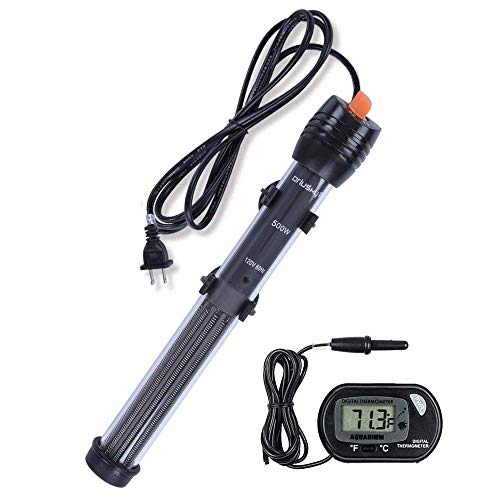
For most low-tech planted tanks (no added CO2), a weekly water change of 20-25% is ideal. This removes excess nitrates and restores trace elements. If you have a high-tech setup with injected CO2 and strong lighting, you might need to do two smaller changes per week to keep nutrient levels stable. Always use a dechlorinator and match the temperature to avoid shocking your plants and fish. A reliable aquarium heater helps maintain a steady temperature, which is crucial for plant metabolism. If you’re unsure about your water parameters, testing weekly with a liquid kit is your best friend.
Nutrients: The Real Food for Your Plants
Water changes alone won’t give your plants everything they need. Aquatic plants absorb nutrients through their leaves and roots. You’ll need to supplement with liquid fertilizers (for stem plants and floaters) and root tabs (for heavy root feeders like swords and crypts). Dose liquid fertilizers 1-2 times per week, following the product instructions. Overdosing can cause algae, so start low and observe. If you notice yellowing leaves or stunted growth, you might have a nitrate deficiency. In that case, consider using a nitrate remover only if levels are dangerously high, but for most planted tanks, nitrates are a needed fertilizer. Balance is everything.
Some aquatic plants, like Java fern and Anubias, absorb almost all their nutrients directly from the water column through their leaves. That means they don’t need root tabs at all, just consistent liquid fertilization and clean water.
Lighting Schedule: The Unsung Hero
Light is just as important as water quality. Most aquarium plants need 8-10 hours of light per day. Use a timer to keep the schedule consistent, as irregular lighting stresses plants and promotes algae. If you have a high-tech tank with CO2 injection, you can push to 10-12 hours, but watch for algae. Dimmer lights or shorter photoperiods (6-7 hours) work better for low-tech tanks. A smart aquarium controller can automate your lighting, CO2, and even water changes, taking the guesswork out of daily care. Remember, too much light without enough nutrients or CO2 is a recipe for algae blooms.
CO2: The Growth Accelerator
If you want your plants to grow faster and look fuller, consider adding CO2. In a low-tech tank, plants get CO2 from fish respiration and surface exchange, which is enough for slow growers. But for demanding species like carpeting plants or red stem plants, injected CO2 makes a huge difference. You don’t need to “water” with CO2, but you do need to monitor it. Aim for 20-30 ppm of CO2 during the light period. Too much can harm fish, so use a drop checker and go slow. If you’re new to CO2, start with a simple DIY system or a pressurized kit with a regulator. A good digital thermometer helps you keep an eye on temperature, which affects CO2 solubility (colder water holds more CO2).
“Consistency is the secret to a lush planted tank. Water changes, lighting, and nutrients all work together, and skipping one throws the whole system off.”
Common Mistakes and How to Avoid Them
One of the biggest mistakes is over-cleaning your filter. Your filter houses beneficial bacteria that break down waste, but it also traps organic matter that slowly releases nutrients. Rinse filter media in old tank water (not tap water) every 4-6 weeks. Another mistake is ignoring plant-specific needs. Some plants, like Vallisneria, prefer harder water, while others, like Amazon frogbit, thrive in softer conditions. Test your water hardness and adjust accordingly. If you have a lot of fish waste, you might need a good filter sponge to keep the water clear without stripping nutrients. And never add liquid fertilizer right after a water change, wait a day so the plants can adjust.
If your fish show signs of stress (gasping at the surface, clamped fins) after adding fertilizers or CO2, stop dosing and do a partial water change immediately. Always follow product instructions and ask your aquatic vet if you’re unsure about any treatment.
Ultimately, the question “how often should I water my aquarium plants” is really about building a routine. Start with weekly water changes, dose fertilizers consistently, set a reliable light timer, and monitor your plants’ growth. Within a few weeks, you’ll see what works for your specific setup. Every tank is a little different, but with patience and observation, you’ll have a beautiful planted aquarium that feels almost self-sustaining.