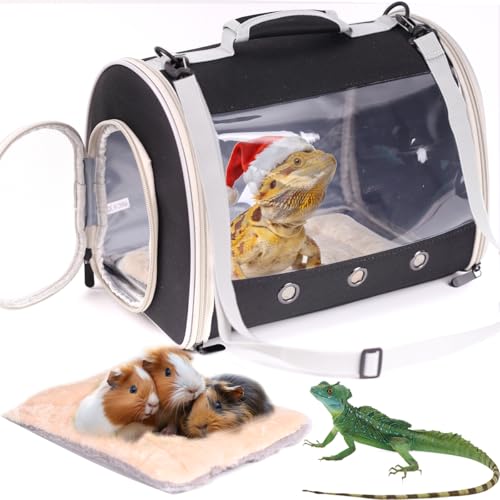
When the season shifts and temperatures drop, your bearded dragon feels it just as much as you do. These cold-blooded reptiles rely entirely on external heat to regulate their body temperature, digest food, and stay active. If you have a garden enclosure or a dedicated lizard habitat at home, keeping the heat consistent during winter or chilly months is essential. Let’s walk through practical, owner-tested ways to manage heating for your clay beast lizard (yes, that’s a fun nickname for bearded dragons) so they stay happy and healthy through every season.
Understanding Your Bearded Dragon’s Heating Needs in Cold Weather
Bearded dragons need a basking spot between 95 and 110 degrees Fahrenheit and a cool side around 75 to 85 degrees. In cold seasons, ambient room temperatures can drop below 70, which slows their metabolism and can lead to health issues. You need to provide a temperature gradient so your lizard can move between warm and cool areas as needed. A simple thermometer on each end of the enclosure is your best friend here. If you notice your dragon spending all its time directly under the heat lamp or becoming lethargic, it is a sign the ambient temperature is too low. Remember, a cold dragon cannot digest food properly, so always check the basking surface temperature with a digital probe thermometer, not just the air temp.
Choosing the Right Heat Lamp and Basking Setup for Your Garden Enclosure
For an indoor or outdoor garden enclosure, the right heat lamp makes all the difference. A halogen flood bulb or a mercury vapor bulb provides both heat and UVB, which is crucial for calcium absorption. Place the lamp on one side of the enclosure, about 12 inches above a flat rock or branch where your lizard can bask. Avoid heat rocks or hot rocks, as they can cause burns. Instead, use a ceramic heat emitter for nighttime heat if your home gets below 65 degrees. These emit no light, so they won’t disrupt your dragon’s sleep cycle. For outdoor garden setups, make sure the lamp is protected from rain and wind. You can use a wire cage around the bulb to prevent accidental contact.
Did you know that bearded dragons can change color slightly to absorb more heat? In cooler weather, they may darken their skin to soak up more warmth from their basking spot. This is totally normal, but if they stay dark all day, double-check your temperatures.
Seasonal Adjustments for Outdoor Lizard Gardens
If you keep your bearded dragon in a garden enclosure during warmer months, you need to transition them indoors or modify the setup when temperatures fall below 70 degrees at night. A greenhouse or insulated shed can work if you add a thermostat-controlled heat source. Line the enclosure with thick substrate like sand-soil mix to retain warmth, and provide hides filled with moss or hay for extra insulation. On sunny winter days, you can let your dragon bask in a protected outdoor area with a clear plastic cover to trap heat, but always supervise. Never leave them out overnight if the forecast calls for frost. A good rule of thumb is that if you need a jacket, your dragon needs supplemental heat.
“A warm bearded dragon is a happy bearded dragon. Cold makes them sluggish, but steady heat keeps their spirit bright.”
Managing Nighttime Temperatures and Humidity
Nighttime temperature drops are natural, but they should not fall below 65 degrees in the enclosure. Use a ceramic heat emitter connected to a thermostat to maintain a steady 70 to 75 degrees at night. Avoid red or blue night bulbs, as they can disrupt sleep and cause stress. Also, monitor humidity levels. In cold weather, indoor heating can dry out the air, but bearded dragons need humidity around 30 to 40 percent. If it gets too low, your dragon may have trouble shedding. You can mist the enclosure lightly in the morning or add a shallow water dish. If humidity is too high, improve ventilation. A simple hygrometer will help you keep things balanced.
Signs Your Bearded Dragon Is Too Cold and What to Do
Watch for these signs: your dragon is hiding more than usual, not eating, or has a dark, almost black beard. They may also become lethargic or spend all their time under the heat source. If you see these, check your basking temperature immediately. Raise the wattage of your bulb or add a secondary heat source. If your dragon has been cold for more than a day, offer a warm soak (85 to 90 degrees) for 15 minutes to help raise their core temperature gently. Then, provide a warm, quiet space to recover. If they still refuse food after 48 hours, consult a reptile veterinarian. For more on general enclosure setup, check out our guide on bearded dragon enclosure setup.
If your bearded dragon shows signs of illness like gaping, wheezing, or runny stool, always ask your vet for personalized advice. This guide is for general care, not a substitute for professional medical help.
Energy-Efficient Heating for Your Lizard’s Whole Habitat
Heating a large garden enclosure or a whole room can get expensive. Use a programmable thermostat to cycle heat lamps on and off, and insulate the enclosure with foam panels or reflective blankets on the outside. You can also use a space heater in the room, but keep it away from the enclosure to avoid overheating. For outdoor setups, consider a heated hide box with a low-wattage heat mat under the substrate, but only if you can monitor it closely. Remember, the goal is to create a warm microclimate, not heat the entire garden. If you have multiple reptiles, you can group their enclosures in one room to share a single heat source efficiently. For more tips on seasonal care, read our article on bearded dragon seasonal care.
Keeping your clay beast lizard warm through the cold season is all about consistency, observation, and a little creativity. Whether you use a garden setup or an indoor tank, the right heat lamps, thermostats, and insulation will make your dragon feel like summer never left. Pay attention to their behavior, adjust as needed, and you will both enjoy a cozy, healthy winter together. For more on safe heating products, see our recommendations for best heat lamps for bearded dragons.