Bathing your dog at home can feel like a wrestling match if you are not prepared, but with the right setup and a calm approach, it becomes a simple routine that saves you time and money. Whether you have a muddy Australian Shepherd or a drooly Cane Corso, the process is similar: brush first, protect ears, use lukewarm water, and never rush the rinse. This guide walks you through each step so you both can enjoy a clean coat and a stress-free experience.
Gather Your Supplies Before You Start
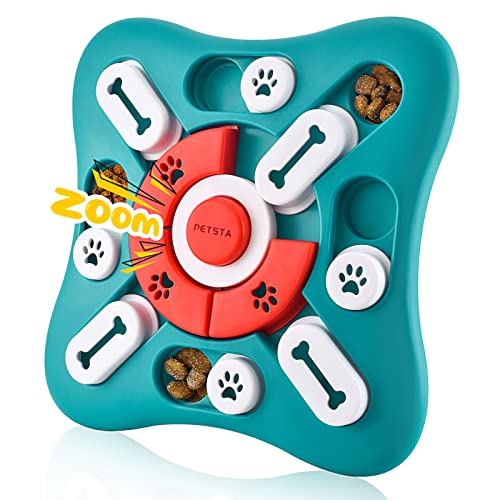
Preparation is half the battle. You will need a dog-specific shampoo (never use human shampoo, as it strips natural oils), a large cup or handheld sprayer, a non-slip mat for the tub or shower floor, and plenty of towels. For dogs with heavy shedding or thick coats, a good undercoat rake or slicker brush is essential. If your dog is prone to ear infections, have cotton balls ready to gently plug the ear canals. Keep treats handy for positive reinforcement. A slow feed dog bowl or a puzzle toy can distract a wiggly dog during the bath, but only if they are comfortable with water.
Brush Thoroughly Before the Bath
Brushing removes loose fur, dirt, and tangles that become impossible to manage when wet. Mats tighten with water and can trap soap, leading to skin irritation. For double-coated breeds like Australian Shepherds, spend a few minutes working through the undercoat with a de-shedding tool. For short-haired dogs like Cane Corsos, a rubber curry brush lifts dead hair and stimulates the skin. This step also helps you spot any bumps, ticks, or hot spots that need attention before the bath. Skipping this step is the number one reason people end up with a clogged drain and a matted mess.
Set the Scene for a Calm Bath
Choose a warm, draft-free room. A bathtub or walk-in shower works best, but a large plastic tub can work for small dogs. Place a non-slip mat on the floor so your dog does not panic from sliding. Fill the tub with about two inches of lukewarm water (test it on your wrist, it should feel like a comfortable bath). Have your shampoo, cup, and towels within arm’s reach so you never have to turn your back. If your dog is nervous, let them explore the empty tub first with treats. Some owners find that a raised dog bowl filled with peanut butter or kibble can be a great distraction during the bath, but only if the bowl is stable and not slippery.
Place a cotton ball gently in each ear before wetting your dog. This prevents water from entering the ear canal, which can cause infections. Remove them immediately after the bath. This simple step is a game-changer for floppy-eared breeds like Cane Corsos and Australian Shepherds.
Wet, Lather, and Rinse with Care
Start wetting your dog from the back and legs, moving forward. Avoid spraying water directly on the head or face, use a damp washcloth instead. Use a cup or a low-pressure sprayer to wet the coat thoroughly down to the skin. Dilute the shampoo in a separate bottle or in your hands before applying, then massage it into the coat in the direction of hair growth. Pay extra attention to the paws, belly, and tail, where dirt collects. Rinse thoroughly until the water runs clear. Leftover soap can cause itching and dandruff. For dogs with sensitive skin, consider an oatmeal-based shampoo. If your dog has allergies or skin issues, always ask your vet before trying a new product.
“A clean dog is a happy dog, but a dog that smells like wet dog is just a wet dog. Rinse until you think you are done, then rinse one more time.”
Drying: The Most Overlooked Step
Drying is just as important as washing. Start by squeezing excess water from the coat with your hands, then use a large, absorbent towel to blot (not rub) the fur. Rubbing can cause tangles and breakage. For double-coated breeds, a high-velocity dryer on a low, cool setting can blow out loose undercoat and speed drying. Always keep the dryer moving and never point it at the face or ears. If your dog is afraid of the noise, stick to towels and air drying in a warm room. Never let a wet dog outside in cold weather, as they can chill quickly. For breeds prone to hip dysplasia, like some large dogs, be gentle when lifting them out of the tub, use a towel sling under the belly if needed.
Breed-Specific Considerations
Not all dogs are the same. A Cane Corso has a short, dense coat that sheds moderately and benefits from a rubber curry brush and a gentle shampoo every 4 to 6 weeks. Their large size means you need a heavy-duty tub or a walk-in shower. If you are wondering about their temperament, check out our guide on whether Cane Corsos make good family dogs for more on their care needs. Australian Shepherds, on the other hand, have a thick double coat that sheds heavily and requires more frequent brushing and a thorough rinse to remove all soap from the undercoat. They are energetic and may need a walk before the bath to burn off extra energy. For diet tips, see our list of best dog foods for Australian Shepherds to support a healthy coat from the inside out.
Never leave your dog unattended in the bath, even for a second. Keep the water temperature comfortable, not hot. If your dog shows signs of extreme stress (heavy panting, shaking, trying to escape), stop and try a different approach next time, such as a dry shampoo or a professional groomer.
Bathing your dog at home is a skill that gets easier with practice. The key is patience, preparation, and plenty of rewards. Your dog will learn to trust you, and you will save money while keeping their coat healthy and shiny. Remember, a clean dog is a comfortable dog, and a comfortable dog is a happy part of the family.