Bathing a horse is a rewarding way to bond, keep their coat shiny, and check for skin issues. But what if you don’t have a stall with hot water and drains? Maybe you board at a facility without wash racks, or you’re at a show with only a grassy paddock. The good news is you can absolutely give your horse a thorough bath without a stall. It just takes a little planning and the right approach. Here’s exactly how to do it, from setup to final rinse.
Pick the Right Spot: Safe, Level, and Non-Slip
Your first task is choosing a location that works for both you and your horse. Look for a flat, level area with good drainage so you don’t end up standing in a mud puddle. Concrete or asphalt can work, but they get slippery when wet. A grassy patch is often gentler on hooves, but you’ll want to avoid areas that turn into a bog. If you have access to a gravel or rubber mat area, that’s ideal. Stay away from busy barn aisles or near open gates where your horse might feel trapped or distracted. A quiet corner of a pasture or a side yard works perfectly. Just make sure there are no hazards like loose wire, sharp objects, or deep holes.
Gather Your Gear Before You Start
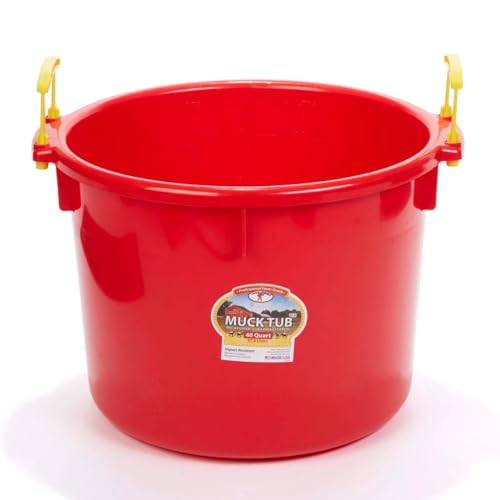
Nothing kills a bath faster than realizing you forgot the sponge. Set everything out within arm’s reach before you bring your horse to the spot. You’ll need a bucket or two, a hose with a spray nozzle (or a large jug with a spout if you don’t have running water), horse-safe shampoo, a sweat scraper, and a couple of soft sponges or washcloths. A good grooming bag is perfect for keeping these items organized and easy to carry to your chosen spot. Don’t forget a halter and lead rope, and have a towel or two ready for sensitive areas like the face and ears. If it’s cool or windy, consider having a cooler or lightweight blanket on hand for after the bath.
Prep Your Horse: Brush, Pick, and Settle
Before you get your horse wet, give them a thorough grooming. Brush away all loose dirt, mud, and loose hair. A clean coat before bathing means less grime to wash off and prevents you from scrubbing dirt deeper into the skin. Pay special attention to the legs and belly where mud tends to cake. While you’re down there, check the hooves. Use a hoof pick to remove any stones or packed mud from the soles and frogs. This is also a good time to check for any cuts, bumps, or sensitive spots. If your horse seems nervous, spend a few extra minutes walking them around the area or letting them sniff the hose and bucket. A calm horse makes for an easy bath.
Wet, Soap, and Scrub in Sections
Start by wetting your horse’s legs and slowly work your way up. This helps them adjust to the temperature and sensation. Use a low-pressure spray or pour water gently from a bucket. Avoid spraying directly into the ears, eyes, or nose. Once your horse is thoroughly wet, apply a small amount of horse shampoo to a wet sponge and work it into a lather. Wash in sections: start at the neck and shoulders, then move to the back and sides, and finish with the legs and belly. For the face, use a separate sponge with just water or a very mild, tear-free shampoo. Rinse each section thoroughly before moving on. Leftover soap can cause skin irritation or a dull coat.
If you’re bathing in a pasture or dirt area, place a large tarp or rubber mat under your horse. It catches the runoff and keeps your horse from standing in mud while you work. Bonus: it makes cleanup much easier for you.
Rinse, Scrape, and Dry Without a Stall
Rinsing is the most important step. Any leftover shampoo residue can attract dirt and cause itching. Use plenty of clean water and run your hand over the coat to feel for slickness. Once you’re sure all soap is gone, use a sweat scraper to remove excess water. Start at the neck and pull the scraper toward the tail, working in long, even strokes. This speeds up drying time dramatically. If the weather is warm and sunny, you can let your horse air dry in a clean, shady area. For cooler days, use a clean, absorbent towel to dry their face, ears, and legs. If your horse tends to roll after a bath, keep them on a lead and walk them for 10 to 15 minutes until they are mostly dry. A lightweight horse blanket can help them stay warm and clean while they finish drying, especially if there’s a breeze.
Post-Bath Care: Hooves and Treats
After the bath, don’t forget the hooves. Wet hooves can become soft and more prone to cracking. Apply a hoof conditioner to keep them healthy and hydrated. This is also a great time to check for any heat or swelling in the legs. A bath is the perfect opportunity to give your horse a positive experience. Offer a few gentle scratches and a small treat from a treat dispenser to end the session on a high note. If your horse is prone to stiffness or joint issues, consider asking your vet about adding a supplement to their diet to support recovery after heavy work or bathing in cooler weather.
“A horse that trusts you in the bath will trust you on the trail. Every rinse is a lesson in patience and partnership.”
What About Cold Weather?
Bathing without a stall is trickier when temperatures drop, but it’s still possible. Choose the warmest part of the day, ideally when the sun is out and there’s no wind. Use warm water if you can (fill a few buckets from your house). Keep the bath short and focused. After scraping off excess water, dry your horse immediately with a thick towel and put on a cooler or fleece blanket. Walk them until they are completely dry before turning them out. If it’s below 50 degrees Fahrenheit, it’s usually better to skip a full bath and stick to spot cleaning with a damp sponge.
Bathing a horse without a stall is really about preparation and staying flexible. With a safe spot, the right tools, and a calm approach, you can keep your horse clean and happy anywhere. Your horse doesn’t care about the walls, they just care about your hands and your voice. So grab your gear, pick a patch of grass, and enjoy the splash.