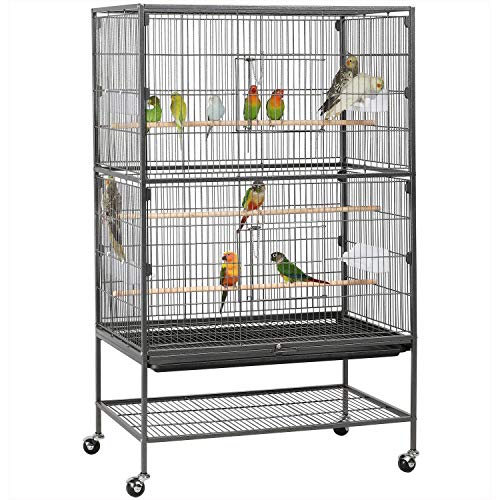
Parakeets are naturally clean birds, and most love a good splash. But if you have ever watched your parakeet dip its head into its water bowl and shake water everywhere, you already know they have their own ideas about bath time. The key to bathing a parakeet safely is to let them lead, use the right temperature water, and avoid stress. Whether your bird is a first-time bather or a seasoned splasher, this guide walks you through every step so bath time stays fun and safe.
Why Parakeets Need Baths
Bathing helps parakeets keep their feathers clean, removes dust and dander, and supports healthy preening. It also helps with humidity, which is good for their skin and respiratory system. In the wild, parakeets bathe in rain puddles or dew on leaves. At home, you can mimic this with a shallow dish or a gentle mist. A clean bird is a happy bird, and regular baths can even reduce feather plucking caused by dry skin. Just remember, never use soap or shampoo on a parakeet. Plain water is all they need.
Choosing the Right Bathing Method
There are three main ways to offer a bath: a shallow dish, a spray bottle mist, or a store-bought bird bath that clips to the cage. Each works, but your parakeet’s personality will decide which one they prefer. For a dish, use a ceramic or glass bowl that is wide and shallow, no deeper than an inch of water. Place it on a flat surface inside or outside the cage. For a mist, use a clean spray bottle set to a fine mist, never a jet stream. Hold the bottle about 12 inches away and spray above your bird so the water falls like rain. If your parakeet is nervous, start with the dish method. Many birds feel safer when they can control how much water they get into.
Water Temperature and Safety Rules
Always use lukewarm water, around 85 to 90 degrees Fahrenheit. Test it on your wrist like you would for a baby. Cold water can shock your bird, and hot water can burn their sensitive skin. Never leave your parakeet unattended during a bath, even for a second. A bird can drown in just a few inches of water if they panic. Keep the room warm and free of drafts. After the bath, move your parakeet to a warm, quiet spot to dry. Avoid using a hair dryer, the noise and heat are dangerous. Instead, let them air dry in a warm room or near a sunny window (not direct sun).
Parakeets have a special gland near their tail called the uropygial gland. They spread this oil over their feathers during preening to keep them waterproof and healthy. Bathing helps them distribute this oil evenly.
How Often Should You Bathe Your Parakeet?
Most parakeets enjoy a bath two to three times a week, but some want one daily, and others prefer once a week. Watch your bird. If they start dipping their head in their water bowl or fluffing up near a mist, they are asking for a bath. If they avoid the water or seem stressed, skip it for a few days. Overbathing can dry out their skin, so let your bird set the pace. In very dry climates or during winter when indoor heat is on, you might offer more frequent baths to add humidity. You can also place a shallow dish of water in their cage as an option, but change the water daily to keep it clean.
What to Do If Your Parakeet Hates Baths
Some parakeets are just not into water. Do not force it. Instead, try offering a wet leafy green like spinach or kale. Many birds will rub against the wet leaves to clean themselves. You can also place a shallow dish with a few pebbles at the bottom (clean, smooth stones) so the water is very shallow and the bird feels secure. Another trick is to let your parakeet watch you splash your fingers in the water. They are curious and may join in. If none of these work, your bird is likely keeping clean through preening alone. As long as their feathers look smooth and bright, they are fine. If you notice dirty or stuck-together feathers, ask your avian vet for advice.
“A parakeet that chooses to bathe is a parakeet that trusts you. Let them decide when and how.”
After the Bath: Drying and Cage Setup
After bath time, your parakeet will shake off excess water and start preening. Place them back in their cage with fresh, dry bedding. If you use a cage with safe spacing, like those in our Best Parakeet Cages 2026: Wide Designs with Safe Spacing guide, make sure the bars are not too wide so your bird cannot escape or get stuck. A warm perch helps, too. You can add a Natural Bird Cage Perch made of wood, which is easier for wet feet to grip than plastic. Avoid placing your bird near an open window or air conditioner while they are damp. Offer a small treat like a piece of millet from our Parakeet Treats Your Bird Will Love list as a reward for a good bath. This builds a positive association.
If your parakeet shows signs of illness after a bath, like fluffing up for hours, shivering, or refusing to eat, contact your avian vet. Bathing should never make a bird sick. Always keep the room warm and the water clean.
Signs Your Parakeet Loves Bath Time
You will know your parakeet enjoys bathing if they flap their wings in the water, dip their head repeatedly, or make soft chirping sounds. Some birds will even do a little dance. After the bath, they will preen for a long time, which is normal and healthy. If your bird puffs up and stays still during a mist, they are enjoying it. If they try to fly away or bite, stop immediately. Respect their boundaries. Over time, most parakeets learn to love bath time if you keep it gentle and consistent.