Bringing home a rescue cat is one of the most rewarding things you can do, but that first week can feel like a standoff. You want to scoop them up and smother them with love, and they want to hide under the couch until the coast is clear. The secret to bonding with a new rescue cat is to let them lead, not you. Here is exactly how to build a trusting, loving relationship from day one, without forcing it.
Start With A Safe Room And Zero Pressure
When your new cat arrives, their world has just been turned upside down. The best thing you can do is set up one small, quiet room with everything they need: a litter box, food and water bowls, a scratching post, and a cozy bed. This room becomes their sanctuary. Do not chase them, do not stare at them, and do not try to pet them. Just sit on the floor nearby, read a book, or scroll on your phone. Let them get used to your presence without any demands. If they hide, that is normal. You are building the foundation of trust by showing them you are safe and predictable. Some cats will come out in a few hours, others may take a few days. Either way, you are winning by being patient.
Use Food As A Bridge, Not A Bribe
Food is one of the fastest ways to create a positive association with you. Offer high value treats like freeze dried chicken or a small spoonful of wet food from your hand. Do not reach toward them; just place the treat a few inches away and let them take it. Over a few days, you can gradually hold the treat closer to your hand until they are comfortable eating from your palm. Mealtime is also a great bonding opportunity. Sit near their bowl while they eat, talking softly. If your rescue cat has any signs of food allergies like itching or digestive upset, consult your vet before switching foods. A calm, predictable feeding routine helps your cat feel secure and see you as the source of good things.
Cats have a special purr that vibrates between 25 and 150 Hertz, a frequency that can actually promote healing and reduce stress in both cats and humans. So when your rescue cat finally purrs near you, it is good for both of you.
Let Play Do The Talking
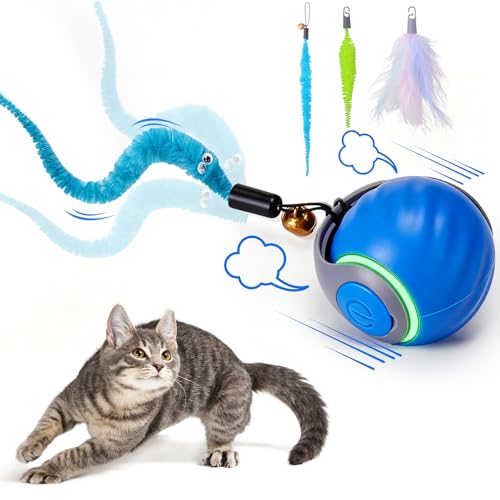
Play is one of the most powerful bonding tools because it taps into your cat’s natural hunting instincts. Use a wand toy with a feather or a small mouse on the end. Move it slowly and erratically, like a real prey animal. Let your cat stalk, pounce, and catch it. Do not wave it in their face or force them to play. If they are hiding, dangle the toy near the edge of their hiding spot. A few minutes of play a couple times a day can work wonders. It builds confidence, burns off nervous energy, and creates a shared positive experience. Avoid using your hands as toys, that teaches them that hands are for biting, which is not the message you want to send.
Master The Art Of The Slow Blink
In cat language, a slow blink is like a hug. When you are sitting near your rescue cat, make eye contact and then slowly close your eyes for a second or two, then open them. If your cat blinks back, you have just told them you trust them, and they trust you back. This is a real, science backed communication tool. Pair it with a soft, quiet voice. Never stare at a new cat with wide eyes, that is a threat signal in the feline world. Slow blinks, soft talk, and letting them sniff your hand before you pet them are all small gestures that add up to a big bond.
Respect Their Body Language And Boundaries
Your rescue cat will tell you exactly how they feel if you pay attention. Ears flattened, tail lashing, or a low growl means back off. A tail held high with a little curve at the tip means they are feeling friendly. If they walk away from your hand, let them. If they flop over and show their belly, that is a sign of trust, but it is not always an invitation for belly rubs (many cats hate that). Instead, pet them gently on the cheeks, chin, or the base of the ears. These are high value petting zones. If your cat is prone to hairballs from all the grooming stress, you might want to check how often to brush a cat prone to hairballs to keep them comfortable. The more you respect their no, the more they will give you a yes.
Trust is not built in a day, it is built in the small, quiet moments when you choose to listen instead of push.
Create Predictable Routines And Positive Associations
Cats thrive on predictability. Feed them at the same times every day, play with them at roughly the same times, and keep their environment calm. If you have other pets, introduce them slowly over a week or two using scent swapping and visual barriers. You can also use a pheromone diffuser like Feliway in their safe room to help lower anxiety. Every time you enter the room, bring something good, a treat, a toy, or a gentle scratch. Over time, your cat will start to associate you with safety and pleasure. If your cat has allergy issues that cause sneezing or itching, check the reasons why your allergic cat sneezes so much and talk to your vet about management. A healthy cat is a happier, more trusting cat.
Be Patient, Even When It Feels Slow
Some rescue cats bond in a week, others take months. That is not a reflection on you or your cat. Rescue cats often have past trauma or neglect that makes trust harder to earn. Do not take it personally. Celebrate the small wins: the first time they nap in the same room as you, the first time they rub against your leg, the first time they purr when you pet them. Those moments are gold. Keep showing up with kindness, consistency, and zero pressure. Your rescue cat is learning that they are finally home, and that lesson takes time. If you ever notice your cat vomiting after eating or grooming, it could be related to hairballs, so read up on whether hairballs can cause vomiting to know what is normal and when to call the vet. You have got this, and your cat is lucky to have you.