If your cat darts under the bed every time you stand up too fast, you are not alone. Skittish cats are not broken, they are just careful. They have learned that the world can be unpredictable, and their job is to stay safe. Your job is to prove them wrong, gently and consistently. Bonding with a skittish cat is not about forcing affection, it is about building a language of safety. Here is exactly how to do it, step by step.
Start With Space: Let the Cat Control the Distance
The biggest mistake people make is reaching for a scared cat. Instead, let the cat decide how close to get. Sit on the floor at their eye level, turn your body slightly sideways (facing them head-on feels threatening), and avoid direct eye contact. Blink slowly. That slow blink is cat-speak for “I am not a threat.” If they blink back, you just had a conversation. Do this for a few minutes a day, and do not push closer. Let them approach you. If they hide, just sit nearby and read a book or scroll your phone. Your calm presence, without demands, is the first brick in the bridge.
Use Food as a Trust Tool, Not a Bribe
Food is the fastest way to a skittish cat’s heart, but timing matters. Instead of leaving a full bowl out, offer small, high-value treats (tiny bits of freeze-dried chicken or a squeeze tube treat) when you are nearby. Start by tossing a treat a few feet away from you. Then gradually toss it closer. Eventually, hold it out on your open palm. Let them take it without you moving. If they do not come close, that is fine, just leave the treat and walk away. The goal is to associate your presence with good things, not pressure. A quiet cat water fountain can also help, because the gentle sound of running water is calming and encourages them to drink and feel at ease in the space.
Create a Vertical Safe Zone
Skittish cats feel safest when they can see the room from above. A tall cat tree or wall-mounted shelves give them an escape route and a perch where they can watch you without feeling trapped. Place the tree near a window or in a quiet corner. When your cat is up high, they feel in control. You can sit below and toss treats up to them, building positive association without invading their space. For a great setup, check out the top 5 cat trees that offer multiple levels and hiding cubbies. Also, wall-mounted cat climbing shelves are a fantastic way to add vertical territory without taking up floor space.
A cat’s whiskers are as sensitive as a human’s fingertips. When you approach a skittish cat, avoid touching their whiskers or the base of their tail. Stick to gentle chin scratches or cheek rubs, which release feel-good pheromones.
Play the Right Way: Build Confidence Through Hunting
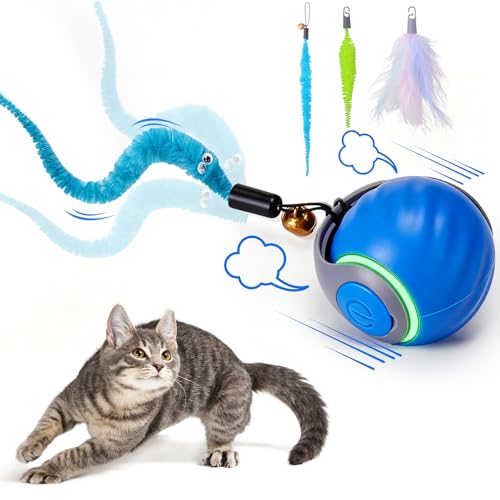
Skittish cats often have low confidence. Play can change that, but you have to let them “win.” Use a wand toy with a feather or a small mouse on a string. Move it slowly, like a real prey animal. Let the cat stalk, pounce, and catch it. Do not yank it away. Let them bite it and feel victorious. After a good play session, offer a small treat or a meal. This mimics the natural hunt-catch-eat cycle and makes them feel capable. Avoid laser pointers for skittish cats, they can never “catch” the light, which can cause frustration and anxiety.
Respect the Retreat: Never Force Interaction
If your cat hides in a carrier, under the couch, or in a closet, do not drag them out. That destroys trust fast. Instead, make the hiding spot comfortable. Put a soft blanket or a piece of your worn clothing (with your scent) near their hiding spot. Let them come out on their own. If you need to take them to the vet, a good cat carrier that opens from the top can reduce stress, because you can lift them gently from above rather than shoving them in from the front. At home, leave the carrier out with the door open and a cozy bed inside, so it becomes a safe den, not a trap.
“A skittish cat is not rejecting you, they are protecting themselves. Every inch they move toward you is a gift they choose to give.”
Grooming as a Bonding Ritual (When They Are Ready)
Once your cat lets you pet them without flinching, you can introduce gentle grooming. A soft brush can feel like a mother cat’s tongue and is deeply soothing. Start with one or two strokes on the cheek or back, then stop. If they lean into it, continue. If they tense up, stop. Never hold them down to brush. Short, positive sessions build trust. A good cat deshedding brush can be a great tool here, but only use it when your cat is relaxed and in a familiar spot. Pair grooming with treats, and you will create a ritual they look forward to.
Patience Is the Secret Ingredient
Bonding with a skittish cat takes weeks or months, not days. Do not measure progress by how much they let you touch them. Measure it by how long they stay in the same room, or whether they eat while you are nearby. Celebrate the small wins. If your cat sits three feet away instead of four, that is a victory. Keep your voice low, your movements slow, and your expectations flexible. Over time, that cautious cat will become the one who sleeps on your pillow, but only because you earned it.