When your cat is in heat, it can feel like your quiet home has turned into a 24-hour opera house. The yowling, rolling, and constant need for attention are all natural behaviors driven by hormones, but they can be exhausting for both of you. The good news is that there are practical, gentle ways to help her settle down. Here is a straightforward guide to calming a cat in heat, with real tips you can use right now.
1. Create A Calm And Comforting Environment
Cats in heat are often anxious and restless. Lower the lights, play soft classical music or nature sounds, and make sure she has a quiet, cozy spot to retreat to. A warm bed or a soft blanket in a low-traffic area can work wonders. If your cat has allergies or skin sensitivities, check our guide on how often to bathe a cat with allergies to avoid irritating her while keeping her comfortable. You can also use a pheromone diffuser (like Feliway) which releases calming synthetic pheromones that mimic a mother cat’s natural scent. This can reduce her stress and make her feel safer.
2. Increase Playtime And Physical Activity
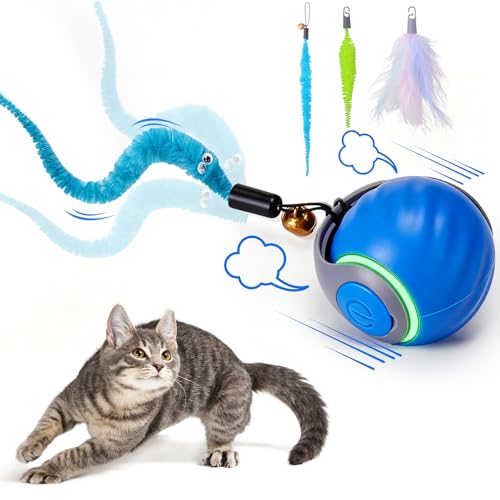
A tired cat is a calmer cat. During heat, your cat has extra energy to burn. Engage her in vigorous play sessions using wand toys, laser pointers, or interactive puzzles. Aim for at least 15 to 20 minutes of active play two to three times a day. This helps redirect her restless energy and provides a mental distraction. If she is prone to shedding or hairballs from all that extra grooming, you might want to read about how often to brush a cat prone to hairballs to keep her coat healthy and reduce tummy troubles.
3. Offer Extra Warmth And Comfort
Warmth mimics the feeling of being near a mate, which can paradoxically calm some cats. Place a microwavable cat-safe heat pack or a warm (not hot) water bottle wrapped in a towel in her bed. You can also try a heated cat bed set on low. The gentle warmth can soothe her and encourage her to rest. Just make sure she can move away if she gets too warm. Some cats also love being gently brushed with a soft bristle brush, which can be a bonding moment that lowers her stress levels.
Did you know that a cat in heat will often assume a mating posture called lordosis, where she lowers her front end and raises her hindquarters? This is completely normal, and petting her lower back can sometimes help her feel more relaxed during this time.
4. Use Distraction Techniques With Toys And Treats
Distraction is your best friend. Offer her new toys, like a crinkle ball or a feather teaser, to shift her focus away from her hormonal urges. Puzzle feeders that dispense treats can also keep her mind occupied. You can hide small treats around the house for her to sniff out. If she has food allergies, be sure to check the signs of food allergies in cats to avoid giving her something that might upset her stomach. A little catnip can also work for some cats, though it affects individuals differently. For some, it is stimulating, so test a small amount first.
5. Consider Natural Calming Aids And Supplements
There are several over-the-counter calming aids that can help. L-theanine, chamomile, or valerian root supplements made for cats are available in chews or drops. Always check with your vet before starting any new supplement, especially if your cat has underlying health issues. Some owners find that a small amount of plain, unsweetened yogurt (if your cat tolerates dairy) can have a calming effect. Avoid using human medications or essential oils, as many are toxic to cats. For cats with chronic stress or allergies, you might also explore our guide on hypoallergenic cats and children if you are considering long-term solutions.
“Patience and a warm lap can be the most powerful tools when your cat is in heat. She is not trying to annoy you, she is just following her instincts.”
6. When To Talk To Your Vet About Spaying
While these tips can help in the short term, the most effective way to stop heat cycles permanently is spaying. Spaying also reduces the risk of uterine infections (pyometra) and certain cancers. If your cat is in heat, most vets recommend waiting until she is out of heat to spay, as the surgery can be riskier due to increased blood flow to the reproductive organs. However, some clinics now perform spays during heat. Talk to your vet about the best timing. If your cat has a history of allergies or sneezing, you may want to review the why does my allergic cat sneeze so much guide to rule out other issues before surgery. Remember, spaying not only stops heat cycles but also contributes to a longer, healthier life.