Seeing your cat crouched low, ears flattened, or hiding under the bed is heartbreaking. Whether the trigger was a loud noise, a new visitor, or a trip to the vet, you want to help but don’t want to make things worse. The good news is that you can learn simple, effective ways to calm a scared cat without overwhelming them. This guide covers practical steps you can take right now, from creating a safe environment to using the right products that actually work.
1. Give Them Space and Let Them Choose
When a cat is scared, their first instinct is to hide. Do not chase them, pull them out, or force affection. Instead, make sure they have access to a quiet, dark spot like a closet, under a bed, or inside a cardboard box. Sit nearby on the floor, but turn your body sideways and avoid staring. Blink slowly and softly to signal that you are not a threat. Let the cat come to you on their terms. This builds trust faster than any forceful approach.
2. Use Calming Products That Really Help
There are several science-backed products designed to reduce feline anxiety. A calming diffuser kit that releases synthetic feline pheromones can make a room feel safer to your cat within 30 minutes. These mimic the natural ‘happy’ pheromones cats leave when they rub their cheeks on furniture. For many cats, this alone can lower stress levels significantly. You can also try calming collars or sprays, but diffusers tend to cover a larger area and last longer.
3. Create a Distraction with Food and Play
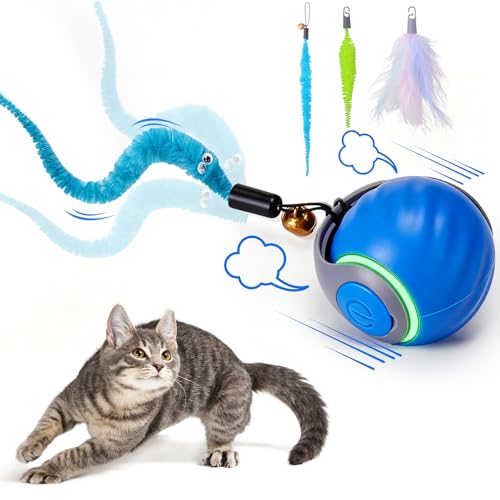
Once your cat has settled a bit, offer a high-value treat. Something smelly and irresistible, like freeze-dried turkey cat treats, can shift their focus from fear to food. Toss the treat a few feet away so they have to move toward it, which can break the freeze response. If they are not interested in food, try a wand toy with a feather or a crinkle ball. Gentle play mimics hunting and can release pent-up nervous energy. Stop if they seem more stressed.
“A cat’s fear is not a rejection of you, it is a request for safety. Honor that request, and they will remember your kindness.”
4. Provide a Safe Place to Scratch and Climb
Scratching is a natural stress reliever for cats. It releases endorphins and helps them mark territory with scent glands in their paws, which can feel grounding. If your cat is scared, guide them to a cat scratching barrel or post placed in a quiet corner. You can rub a little catnip on it to encourage use. The act of scratching can help them release tension and feel more in control of their environment.
5. Keep Their Routine as Normal as Possible
Cats find comfort in predictability. Try to feed them at the same times, keep the same play schedule, and avoid rearranging furniture or introducing new pets during a stressful period. If the fear is triggered by a specific event like a thunderstorm, you can also set up a cozy den with their favorite blanket and a stable, elevated ceramic cat bowl for water nearby. Having their resources in a safe spot reduces the need to venture into scary areas when they are already on edge.
Did you know that cats have a third eyelid called the nictitating membrane? When a cat is extremely scared or stressed, this membrane may partially cover the eye. If you notice this along with hiding or loss of appetite, it is a strong sign your cat needs a calm, quiet environment and possibly a vet visit if it persists.
6. When to Consult Your Veterinarian
Most fearful episodes are temporary and resolve with patience and the strategies above. However, if your cat’s fear lasts more than a few days, leads to hiding all day, stops eating or drinking, or causes aggressive behavior, it is wise to talk to your vet. They can rule out pain or illness and may recommend anti-anxiety medication or a referral to a veterinary behaviorist. Always ask your vet before using any new supplement or medication.