Finding out your parakeet has mites can be scary, but you can handle it at home with the right steps. Mites are tiny parasites that cause itching, feather loss, and crusty skin on your bird’s beak, legs, and vent area. The good news is that with careful cleaning, safe treatments, and a bit of patience, you can get rid of them. This guide walks you through exactly what to do, from confirming the problem to preventing mites from coming back. Always start with a vet visit to rule out other issues, but once you know it’s mites, these home methods will help your feathered friend feel better fast.
Step 1: Confirm It’s Mites and Not Something Else
Before you start any treatment, take a close look at your parakeet. Mites cause specific symptoms: your bird might scratch more than usual, have bald patches, or develop a scaly, crusty appearance on its beak, cere (the area above the beak), and legs. This is often called “scaly face” or “scaly leg” and is usually caused by the Knemidokoptes mite. If you see these signs, schedule a vet appointment. A quick skin scrape or exam can confirm mites and rule out fungal infections or nutritional deficiencies. Your vet can also recommend a treatment plan safe for your bird’s size and health. Do not skip this step, because some home treatments can harm a parakeet if the diagnosis is wrong.
Step 2: Isolate Your Parakeet and Clean the Cage Thoroughly
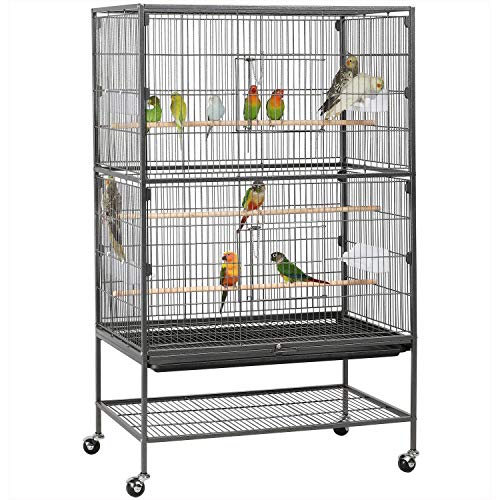
Once you know it’s mites, move your parakeet to a separate, temporary cage while you deep-clean the main cage. Mites can live in crevices, on perches, and in bedding, so you need to eliminate them from the environment. Remove everything from the cage: dishes, toys, perches, and any liners. Wash the empty cage with hot, soapy water and a mild bleach solution (one part bleach to ten parts water), rinsing thoroughly. Let it dry completely in the sun if possible. For the perches and toys, toss any that are porous or heavily infested. You can boil wooden perches for 10 minutes to kill mites, but it’s often easier to replace them with fresh ones. If you’re setting up a new cage, consider choosing a best parakeet cage with safe spacing to prevent mites from hiding in hard-to-clean cracks. For the temporary cage, use paper towels or plain newspaper as liner, and change them daily.
Step 3: Safely Treat Your Parakeet’s Skin and Feathers
For mild mite infestations, you can use a vet-informed spray or a gentle home remedy. One common method is to apply a tiny amount of vegetable oil or olive oil to the affected areas using a cotton swab. Dip the swab in oil and gently dab it on the crusty spots on the beak, legs, or vent. The oil suffocates the mites and softens the crusts. Be careful not to get oil near your bird’s nostrils or eyes, and only use a drop or two. Do this once a day for about a week. For more widespread mites, ask your vet for a safe spray like a diluted ivermectin or a bird-safe mite spray. Never use dog or cat flea treatments on your parakeet, they can be toxic. After applying any treatment, let your bird preen and dry in a warm, draft-free area. While you’re caring for your bird, make sure its environment is comfortable. A parakeet cage with a sturdy stand can make it easier to move the cage for cleaning and keep it off the floor where mites might lurk.
Mites can’t survive long off a host, but they can hide in cage crevices for up to a week. That’s why cleaning the cage every few days during treatment is essential. Vacuum around the cage area and wash any fabric perches or toys in hot water.
Step 4: Replace or Treat All Cage Accessories
Mites love to hide in cracks and porous surfaces, so you need to address everything your bird touches. Replace all wooden perches with new ones, or boil them for 10 minutes and let them dry completely. Plastic dishes can be washed in hot, soapy water and soaked in a diluted bleach solution for 15 minutes. Rinse very well. Fabric toys, ropes, and any soft items should be thrown away or washed in a washing machine on the hottest cycle with a little vinegar. For natural perches that are hard to clean, consider switching to natural bird cage perches that are easy to inspect and replace. These perches are often made from safe, untreated wood that you can boil or swap out without worry. Also, check any food and water dishes for cracks where mites could hide, and replace them if needed.
Step 5: Use Preventative Measures to Stop Mites From Coming Back
After your parakeet is mite-free, take steps to prevent a reinfestation. Mites often come from new birds, contaminated bedding, or outdoor exposure. Quarantine any new bird for at least 30 days in a separate room before introducing it to your parakeet. Wash all new perches, toys, and cages before use. Keep your parakeet’s cage clean by doing a weekly deep clean: scrub the cage bars, change the liner, and wash dishes. You can also add a few drops of neem oil to a spray bottle of water and lightly mist the cage bars (not the bird) once a week as a natural deterrent. Offering your parakeet a healthy diet with plenty of vitamins can also boost its immune system, making it less appealing to mites. Treats like fresh veggies and safe seed mixes are great, and you can find parakeet treats your bird will love to keep it happy and healthy during recovery.
“A clean cage is the best medicine. Mites can’t stand a dry, sunny, and scrubbed home, so make it a habit.”
When to Call the Vet Again
If your parakeet’s symptoms don’t improve after a week of home treatment, or if you see signs of severe distress like heavy breathing, lethargy, or bleeding, contact your vet immediately. Some mite infestations can lead to anemia or secondary infections, especially in young or older birds. Your vet may prescribe a stronger medication like an oral or injectable treatment. Also, if you have multiple birds, treat all of them at the same time, even if only one shows symptoms, because mites spread quickly. Remember, home treatment works best for mild cases, and your vet is your partner in keeping your bird safe.
Never use essential oils like tea tree or eucalyptus directly on your parakeet or in its cage. These oils can be toxic to birds and cause respiratory distress. Stick to mild vegetable oil or products specifically labeled for birds.